Planning a 7,000-meter Himalayan climb demands more than motivation. These Baruntse Peak Expedition Tips help climbers prepare strategically for one of Nepal’s most rewarding technical peaks. From understanding the real difficulty level to mastering acclimatisation, fitness, packing, and seasonal timing, this guide breaks down what truly matters on the mountain. You will learn how to train effectively, prevent altitude sickness, choose the right climbing season, and work with experienced Sherpa guides for higher summit success. If your goal is a safe ascent, strong acclimatisation, and a confident summit push, these Baruntse Peak expedition tips will set the foundation for success in the high Himalayas.
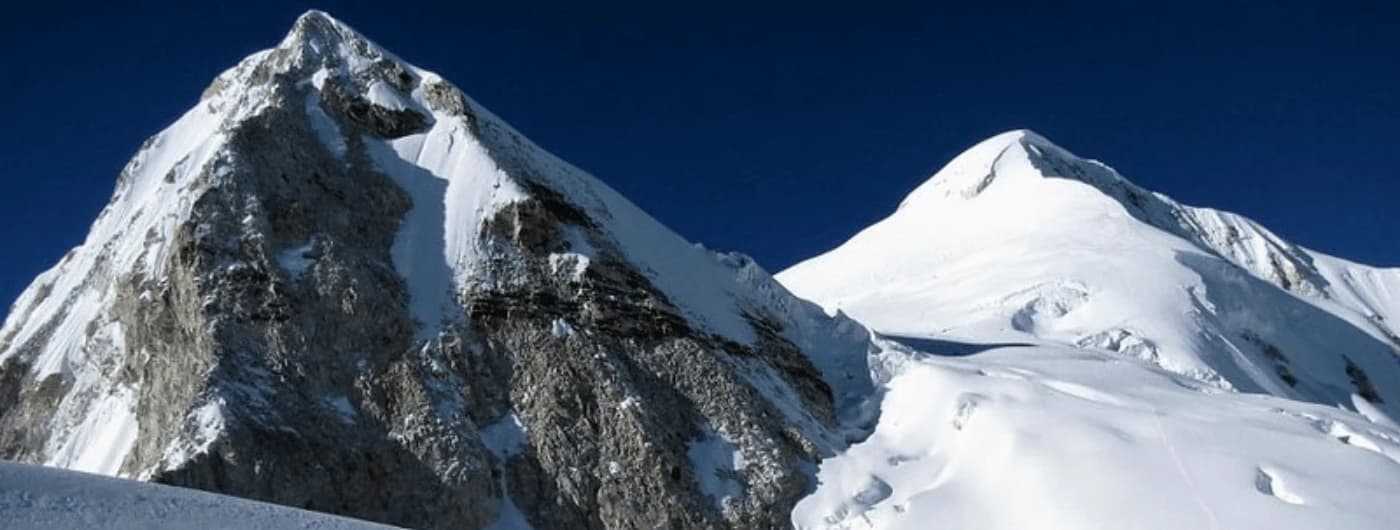
Baruntse Peak Expedition Tips and Preparation

Baruntse Peak Expedition Tips: A Complete Climbing Guide
Climbing Baruntse Peak (7,129m) is a serious high-altitude challenge that rewards climbers with dramatic Himalayan views and technical snow and ice sections. These Baruntse Peak Expedition Tips focus on preparation, safety, and smart decision-making rather than luck. Success on Baruntse depends on fitness, acclimatisation, discipline, proper equipment, and experienced leadership.
While the peak is achievable for well-prepared climbers, underestimating conditions can quickly end an expedition. This guide shares practical Baruntse Peak expedition advice to help maximise safety, confidence, and summit success.
Baruntse Peak Difficulty and Tips for Successful Summit
The Baruntse Peak expedition difficulty is rated as challenging due to its altitude, glaciated terrain, steep snow slopes, and exposed summit ridge. Climbers must be comfortable using crampons, an ice axe, and fixed ropes above 6,000 meters. The biggest challenge is sustained altitude combined with cold and long summit day hours.
To improve summit success, climbers should prioritise slow acclimatisation, avoid rushing rotation climbs, and maintain consistent hydration. Strong teamwork and patience during weather windows play a critical role. Mental resilience is just as important as technical skill on Baruntse.
Baruntse Peak Training and Fitness
Preparing your body for a 7,000-meter climb is one of the most important factors for a safe and successful summit. Baruntse demands long days on steep terrain, repeated ascents above 6,000 meters, and the ability to perform under thin air and extreme cold. Proper training not only increases physical strength but also improves mental endurance, balance, and recovery at altitude. A well-structured training plan allows your body to adapt gradually, making acclimatisation more efficient and reducing exhaustion during the final summit push.
Key training and fitness focus areas for Baruntse Peak:
- Build strong cardiovascular endurance through long hikes, trail running, cycling, or stair climbing
- Practice hiking with a weighted backpack to simulate expedition loads
- Strengthen legs with squats, lunges, step-ups, and deadlifts for uphill efficiency
- Develop core stability using planks, mountain climbers, and rotational exercises
- Improve shoulder and upper-body strength for rope handling and ice-axe use
- Include flexibility and mobility training to prevent injuries
- Train at altitude or use altitude simulation when possible
- Practice technical skills such as crampon walking, self-arrest, and fixed-rope climbing
Consistent training over several months significantly improves stamina, confidence, and overall summit performance on Baruntse Peak.
Baruntse Peak Climbing Season
Baruntse Peak Climbing Season (Spring and Autumn)
Spring is considered the most popular and reliable Baruntse Peak climbing season. During this period, temperatures are relatively warmer at high altitude, and snow conditions are generally more stable on the glacier and summit slopes. Longer daylight hours allow climbers to move at a steady pace during rotation climbs and summit day. Weather patterns in spring are more predictable, which increases the chances of finding safe summit windows. These favourable conditions contribute to a higher Baruntse Peak success rate, especially for climbers attempting their first 7,000-meter peak.
Autumn Season (September–October)
Autumn offers crisp air, excellent visibility, and stunning mountain views throughout the approach and climbing phase. The post-monsoon season brings clearer skies and reduced avalanche risk due to lower snowfall. However, temperatures can drop sharply above 6,000 meters, making proper layering and cold management essential. While the climbing conditions are slightly more demanding than spring, autumn remains an excellent choice for experienced climbers who prefer quieter routes and stable weather with strong preparation and acclimatisation planning.
Baruntse Peak Expedition Tips to Avoid Altitude Sickness
- Follow gradual ascent profiles and respect acclimatisation days
- Maintain consistent hydration and electrolyte intake
- Avoid alcohol and smoking throughout the expedition
- Eat balanced meals even when your appetite decreases
- Monitor early AMS symptoms and communicate with guides
- Descend immediately if symptoms worsen
Proper Baruntse Peak acclimatisation tips significantly improve safety and summit chances. When you book the Baruntse Expedition from Overland Trek Nepal, our guide will monitor you from time to time to prevent altitude sickness. Moreover, our guide from Overland Trek Nepal always carried a First Aid Kit for emergencies related to Altitude Sickness.
Baruntse Peak Expedition Packing List Tips
Packing List for the Baruntse Peak plays a vital role in your successful summit. If you have enough quality gear during the climb, then it helps you in the climb as well as keeps you warm. Most of the time you spend at high altitude, so warm clothes are very essential.
- Double-layer mountaineering boots rated for 7,000m
- High-quality down suit for extreme cold
- Technical ice axe and steel crampons
- Harness, helmet, and ascender
- Glacier sunglasses and spare goggles
- Insulated gloves with backup pairs
- Inner Thermal Layers, Down Jacket, Fleece Jacket
- Trekking Pants, Hard Shell Climbing Pants, Warm Trousers
- Wollen socks, Flip-flops, and neck warmers.
A well-planned packing strategy reduces energy loss and exposure risks. The above-mentioned is the must-essential packing list for Baruntse.
Click here to know more details about the Trekking and climbing gear for Nepal.
Baruntse Peak Expedition Tips for First-Time Climbers
- Choose a longer itinerary with extra acclimatisation days
- Train on smaller peaks before attempting Baruntse
- Learn basic rope and crevasse rescue skills
- Listen carefully to the Sherpa's guidance
- Focus on steady pacing rather than speed
Baruntse is demanding but achievable with proper preparation.
Hire a Climbing Guide for a Successful Baruntse Peak Summit
A professional Baruntse Peak climbing guide dramatically improves safety and summit success. An experienced Sherpa guide from Overland Trek Nepal leads summit rotations, manages fixed ropes, and monitors health conditions throughout the expedition. Our strong summit success rate stems from deep knowledge of the route, sound weather judgment, and readiness for high-altitude rescue. Expert leadership transforms risk into calculated progress. Feel free to contact us via email or WhatsApp us at +9779841920870 to know more details about the climbing guide for the Baruntse Peak Expedition.
Choose the Best Trekking and Climbing Company in Nepal for Baruntse
Choosing the right operator directly affects your success. Overland Trek Nepal offers professionally structured itineraries, experienced Sherpa leadership, and strong acclimatisation planning. Our ethical operations and high summit success rate make us a reliable partner for serious climbers. We have a team of highly experienced Sherpa Guides and Crew members who have climbed Baruntse Peak several times.
Plan your 35 Day Baruntse Expedition with Overland Trek Nepal for a safe and successful summit.
FAQs – Baruntse Peak Expedition Tips
What are the best tips for the Baruntse Peak expedition?
Focus on acclimatisation, physical conditioning, technical practice, and climbing with an experienced guide.
How difficult is the Baruntse Peak expedition?
It is moderately to highly difficult due to altitude, glacier travel, and technical snow sections.
What fitness level is required for the Baruntse Peak expedition?
Strong cardiovascular endurance, leg strength, and high-altitude tolerance are required. Make sure your body adapts to the high altitude trek and climb.
When is the best time to climb Baruntse Peak?
Spring (April–May) and autumn (September–October) are the best seasons in Nepal for climbing, including the Baruntse Preak.
How to prevent altitude sickness on the Baruntse Peak expedition?
Ascend slowly, hydrate well, eat properly, and follow the guide instructions closely. Do not rush during the trekking days and take acclimatisation days seriously. Acclimatisation days are key to avoiding sickness.
Is Baruntse Peak good for a first 7000m expedition?
Yes, with proper training, acclimatisation, and professional guidance, it is a solid first 7,000m peak.
Conclusion
These Baruntse Peak Expedition Tips highlight that success comes from preparation, patience, and professional support. With the right fitness, smart acclimatisation, seasonal planning, and expert Sherpa leadership, Baruntse becomes a rewarding high-altitude achievement.
Climbers who respect the mountain and prepare thoroughly experience higher success rates and safer summits. Choosing a trusted operator like Overland Trek Nepal ensures your expedition is guided by experience, strategy, and safety from base camp to the summit. Do not hesitate to contact us via email or WhatsApp us at +9779841920870 for more details regarding the Baruntse Peak Tips and Suggestions.
Baruntse PeakBaruntse Peak ExpeditionBaruntse Peak Expedition TipsClimbing in NepalExpedition in NepalKhumbu EverestNepal Mountain ExpeditionNepal Travel BlogPeak ClimbingTravel NepalTravel with Overland Trek NerpalVisit Nepal
Need Help? Call Us+977 9851138871orChat with us on WhatsApp
Latest Travel Blogs
.webp&w=1200&q=75&dpl=dpl_EUd5Wwb28cTzwN6qQNwTKfhuRohE)
Sep 16, 2026
By Anil
Annapurna Base Camp Trek Cost: Complete Guide 2026
Explore more.webp&w=1200&q=75&dpl=dpl_EUd5Wwb28cTzwN6qQNwTKfhuRohE)
.webp&w=1200&q=75&dpl=dpl_EUd5Wwb28cTzwN6qQNwTKfhuRohE)
Need Help? Call Us.+977 9851138871