Peak Comparison Table
|
Peak
|
Altitude
|
Difficulty
|
Best For
|
Duration
|
|
Mera Peak
|
6,476m
|
Easy
|
Beginners / first Himalayan summit
|
14–17 days
|
|
Island Peak (Imja Tse)
|
6,189m
|
Easy–Moderate
|
First-time climbers, EBC combo
|
15–19 days
|
|
Lobuche East
|
6,119m
|
Moderate
|
Intermediate climbers, technical intro
|
14–18 days
|
|
Pisang Peak
|
6,091m
|
Moderate
|
Annapurna circuit + climbing combo
|
13–15 days
|
|
Chulu West
|
6,419m
|
Moderate–Technical
|
Experienced trekkers seeking challenge
|
16–18 days
|
|
Ama Dablam
|
6,812m
|
Technical
|
Experienced climbers, technical routes
|
25–30 days
|
|
Himlung Himal
|
7,126m
|
Technical
|
Advanced mountaineers, remote routes
|
28–32 days
|
|
Manaslu (8,000m+)
|
8,163m
|
Expert / Expedition
|
Elite alpinists, 8,000m ambitions
|
30–35 days
|
What Is Peak Climbing in Nepal?
Peak climbing in Nepal refers to guided, permitted ascents of designated Himalayan summits that fall between non-technical trekking and full-scale mountaineering expeditions. The Nepal Mountaineering Association (NMA) officially classifies 27 peaks under its authority, most between 5,500m and 6,584m, while the Department of Tourism (DoT) governs all peaks above 6,584m, including the eight-thousanders.
Unlike standard trekking, peak climbing requires the use of mountaineering equipment such as ice axes, crampons, harnesses, and fixed ropes. Climbers must also acclimatize progressively to manage altitude sickness and must hold a valid NMA or DoT climbing permit
Trekking Peaks vs. Expedition Peaks: What's the Difference?
|
Trekking Peaks (NMA)
|
Expedition Peaks (DoT)
|
|
27 designated peaks below 6,584m
|
Higher peaks, including all 8,000m mountains
|
|
Permit from Nepal Mountaineering Association
|
Permit from Department of Tourism
|
|
USD 175–350 per person (2026 rates)
|
USD 3,000–15,000+ per person
|
|
Suitable for beginner to intermediate climbers
|
Requires advanced technical experience
|
|
Examples: Mera Peak, Island Peak, Lobuche East
|
Examples: Manaslu, Ama Dablam, Everest
|
Beginner-Friendly Peaks for First-Time Climbers
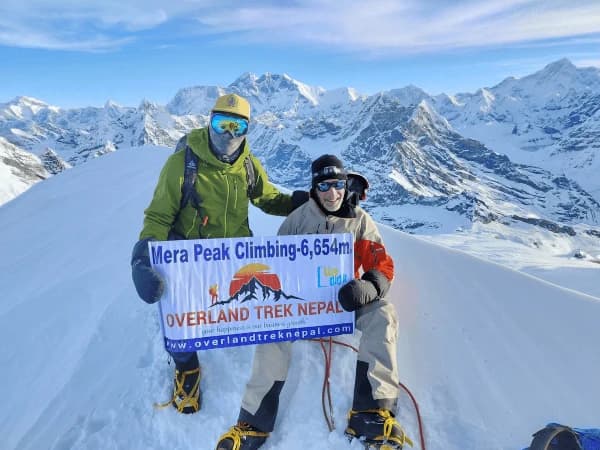
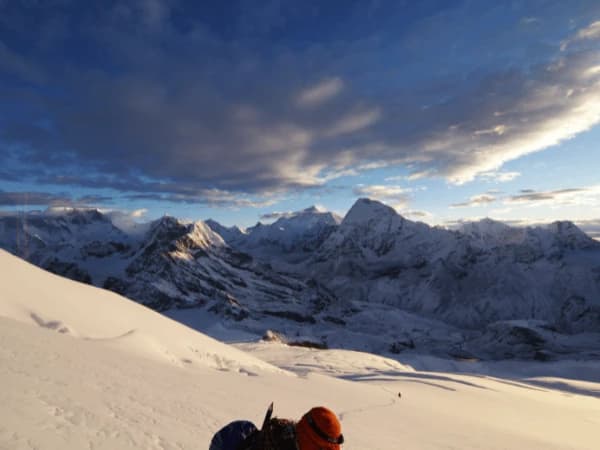
Mera Peak is the highest trekking peak in Nepal and the most recommended starting point for anyone new to peak climbing in Nepal. Its ascent is non-technical on moderate snow slopes, making it achievable for fit trekkers with no prior mountaineering experience. The summit offers a panoramic view of five 8,000m peaks: Everest, Kangchenjunga, Lhotse, Makalu, and Cho Oyu.
Region: Hinku Valley, Everest Region | Season: Spring & Autumn | Duration: 14–17 days
Island Peak (officially Imja Tse) is the most frequently climbed peak in Nepal, ideal for trekkers transitioning to mountaineering. It involves glacier travel and a 50-degree ice slope near the summit, manageable with basic crampon training. It's commonly combined with the Everest Base Camp trek for a complete Himalayan adventure.
Region: Khumbu, Everest Region | Season: Spring & Autumn | Duration: 15–19 days
Yala Peak in the Langtang region is one of the easiest peak climbs in Nepal, perfect for trekkers wanting their first high-altitude summit experience. The ascent is non-technical and royalty-free under the 2025 NMA revision. The summit delivers stunning views of Shishapangma and Langtang Lirung.
Region: Langtang | Season: Spring & Autumn | Duration: 8–10 days
Intermediate Peaks for Experienced Trekkers
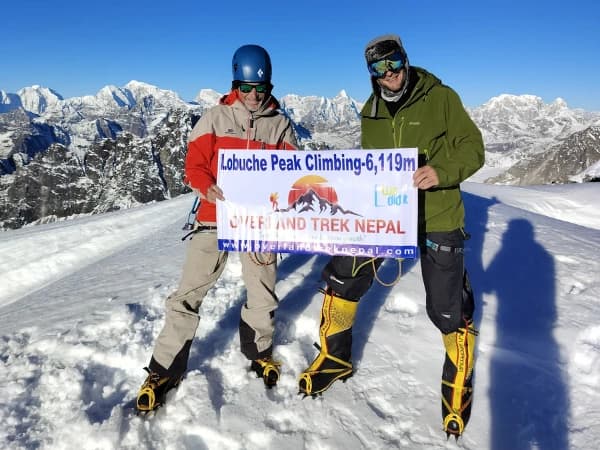
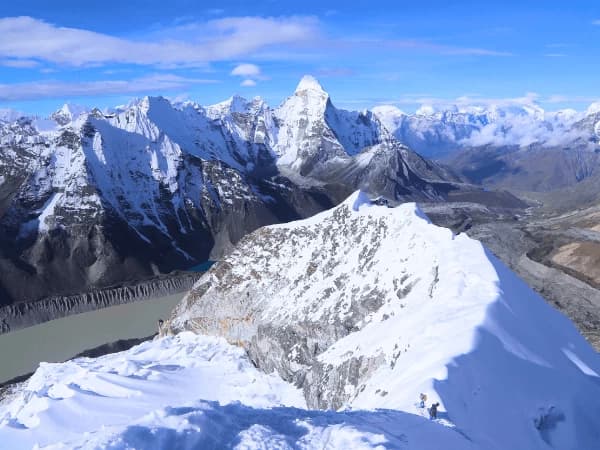
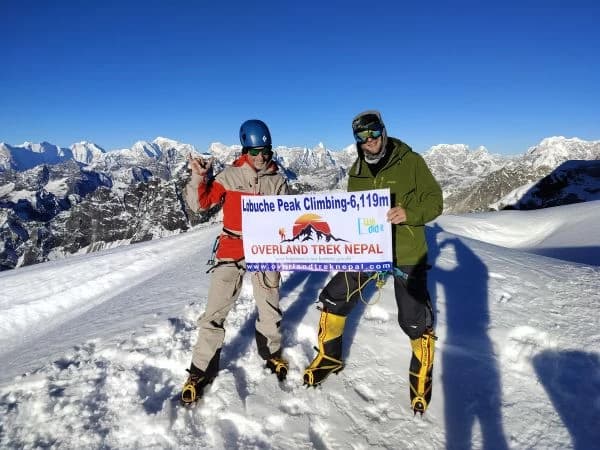
Lobuche East is the top choice for climbers ready to advance beyond Mera and Island Peak. Located close to Everest Base Camp, it involves exposed ridge climbing and requires confident crampon and rope technique. The views across the Khumbu Glacier and the Everest massif are unmatched at this altitude.
Region: Khumbu, Everest Region | Season: Spring & Autumn | Duration: 14–18 days
Pisang Peak sits in the Annapurna region and blends cultural trekking through traditional Manangi villages with a rewarding technical summit. The climb involves glacier travel and fixed ropes on the upper sections. Spectacular views of Annapurna II and IV greet climbers at the top.
Region: Manang, Annapurna Region | Season: Spring & Autumn | Duration: 13–15 days
Chulu West is one of the more demanding trekking peaks in Nepal's Annapurna range, featuring steep ice and mixed terrain on the upper mountain. It attracts climbers seeking a genuine technical challenge without committing to a full expedition peak. Summit views extend across the Dhaulagiri and Annapurna ranges.
Region: Manang, Annapurna Region | Season: Spring | Duration: 16–18 days
Technical & Expedition-Level Peak Climbing in Nepal
Ama Dablam is considered one of the most beautiful and technically demanding peaks for non-8,000m climbing in Nepal. Its dramatic ridgelines require multi-pitch climbing, fixed ropes, and high-camp management. A serious but achievable objective for experienced alpinists, it delivers unrivalled views of Everest, Lhotse, and Makalu.
Region: Khumbu, Everest Region | Season: Autumn (primary), Spring | Duration: 25–30 days
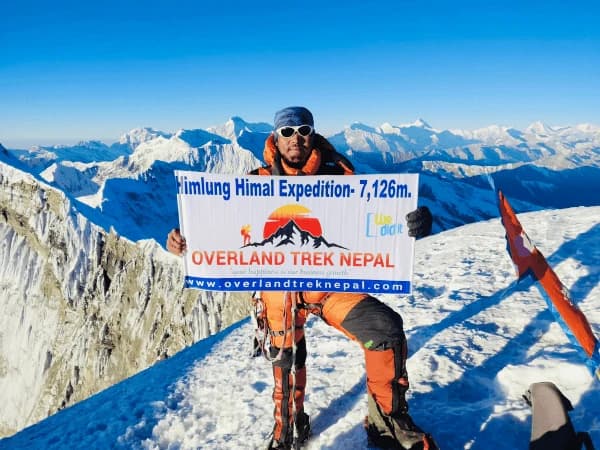
Himlung Himal in the Manaslu region is Nepal's most accessible 7,000m peak, offering a genuine high-altitude expedition experience on a less-crowded mountain. The ascent involves sustained glacier travel and high-camp logistics. It is ideal for climbers building toward eight-thousander ambitions.
Region: Nar Phu Valley, Manaslu Region | Season: Spring | Duration: 28–32 days
Manaslu is the eighth-highest mountain in the world and the most popular 8,000m peak in Nepal for guided expeditions. Located in the Manaslu Conservation Area, it provides a less crowded alternative to Everest while delivering comparable altitude and challenge. Requires high-altitude experience, expert guide support, and thorough acclimatization planning.
Region: Manaslu Conservation Area | Season: Spring (primary) | Duration: 30–35 days
How Much Does Peak Climbing in Nepal Cost in 2026?
The total cost of peak climbing in Nepal in 2026 depends on the peak, season, group size, and agency package. For most trekking peaks, a fully supported package with a licensed agency ranges from USD 1,500 (short beginner peaks) to USD 16,000+ (high-altitude 8,000m expeditions). Below is a breakdown of the key costs you'll need to plan for.
NMA Trekking Peak Permit Fees (Effective September 2025):
|
Peak / Category
|
Spring (Mar–May)
|
Autumn (Sep–Nov)
|
Winter/Summer
|
|
All NMA peaks ≤6,500m (Mera, Island, Lobuche, etc.)
|
USD 350/person
|
USD 175/person
|
USD 175/person
|
|
Royalty-free peaks <5,800m (Yala, Mardi Himal, etc.)
|
FREE
|
FREE
|
FREE
|
|
Ama Dablam (DoT managed)
|
USD 400/person
|
USD 200/person
|
USD 200/person
|
|
Manaslu 8,000m Expedition (DoT)
|
USD 3,000/person
|
USD 1,500/person
|
USD 1,500/person
|
|
Everest Expedition (DoT)
|
USD 15,000/person
|
USD 7,500/person
|
USD 3,750/person
|
Source: Nepal Mountaineering Association (NMA) revised fee structure, effective September 1, 2025.
Additional Permits Required for Peak Climbing in Nepal
Beyond the NMA or DoT climbing permit, you will also need the following:
- Sagarmatha National Park Entry Permit — USD 30 per person (Everest region peaks)
- Annapurna Conservation Area Permit (ACAP) — NPR 3,000 (~USD 22) per person
- TIMS Card — Required for Annapurna, Langtang, Manaslu regions (not Khumbu)
- Khumbu Pasang Lhamu Rural Municipality Fee — USD 20–30 (Khumbu area peaks)
- Garbage Deposit — USD 500 per team, refundable on waste compliance (all NMA peaks)
- Restricted Area Permit — Required for Nar Phu Valley (Himlung Himal) and border regions
Total Package Cost by Peak Type (Overland Trek Nepal 2026)
|
Peak
|
Package Price (USD)
|
Duration
|
Includes
|
|
Mera Peak
|
From $2,749
|
17 days
|
All permits, guide, meals, and camp
|
|
Island Peak + EBC
|
From $2,699
|
19 days
|
All permits, guide, meals, and camp
|
|
Lobuche East
|
From $2,699
|
18 days
|
All permits, guide, meals, and camp
|
|
Ama Dablam Expedition
|
From $7,999
|
30 days
|
Full expedition support
|
|
Manaslu Expedition
|
From $15,299
|
33 days
|
Full 8,000m expedition support
|
When Is the Best Time for Peak Climbing in Nepal?
The best seasons for peak climbing in Nepal are spring (March–May) and autumn (September–November). Both offer stable weather, clear skies, and manageable temperatures at altitude. Spring is the premier season; it coincides with the Everest expedition window and offers the best summit conditions across most peaks.
|
Season
|
Months
|
Conditions
|
Best For
|
|
Spring ⭐
|
March – May
|
Clear skies, stable weather, warmest temps
|
All peaks; premier season for 8,000m expeditions
|
|
Autumn
|
September – November
|
Crisp visibility, post-monsoon freshness
|
Mera, Island, Lobuche; photography-ideal
|
|
Winter
|
December – February
|
Cold, snow, limited visibility
|
Low-altitude peaks only; cheaper permits
|
|
Monsoon
|
June – August
|
Heavy rain, avalanche risk, poor visibility
|
Not recommended for peak climbing
|
What Level of Fitness Do You Need for Peak Climbing in Nepal?
Peak climbing in Nepal demands a solid base of cardiovascular endurance, leg strength, and mental resilience. For beginner trekking peaks like Mera and Island Peak, you should be able to trek 6–8 hours per day at altitude with a 10–15kg pack. For technical and expedition peaks, 6–12 months of structured training, including regular uphill hiking, strength work, and ideally prior mountaineering experience, is strongly recommended.
Training recommendations 3–6 months before your climb:
- Long-distance hiking (8–15km) with elevation gain 3–4× per week
- Stair climbing and leg-press training to build quad and glute strength for summit days
- Cardio-based work (running, cycling) to raise VO2 max and altitude tolerance
- Prior 5,000m trekking experience recommended for any peak above 6,000m
- Basic rope and crampon skills course for Island Peak, Lobuche, and above
Essential Gear List for Peak Climbing in Nepal
Your gear requirements vary by peak and technical grade. The following list covers essential equipment for trekking peaks (Mera, Island, Lobuche level):
|
Climbing Equipment
|
Clothing & Layers
|
Safety & Navigation
|
|
Ice axe (B-rated for steeper terrain)
|
Down jacket (700+ fill, summit weight)
|
Climbing helmet
|
|
Crampons (12-point, compatible with boots)
|
Hardshell jacket and trousers
|
Harness (sit harness, mountaineering rated)
|
|
Mountaineering boots (double or B3-rated)
|
Thermal base layers (merino/synthetic)
|
Prussik cords and carabiners
|
|
Trekking poles (collapsible)
|
Insulated gloves + liner gloves
|
Headtorch + spare batteries
|
|
Fixed rope ascender (Jumar) for technical peaks
|
Balaclava + wool hat + sun hat
|
Personal first aid kit + AMS medication
|
Note: Overland Trek Nepal provides shared technical group gear (fixed ropes, snow stakes, group anchors) for all climbs. Most climbing hardware is available to rent in Kathmandu.
Why Acclimatization Is Critical for Peak Climbing in Nepal
Altitude sickness (AMS) Acute Mountain Sickness, is the leading cause of failed summits and medical evacuations in Nepal. Symptoms include headache, nausea, fatigue, and dizziness. In severe cases, AMS progresses to High Altitude Pulmonary Edema (HAPE) or High Altitude Cerebral Edema (HACE), both life-threatening without immediate descent.
All Overland Trek Nepal itineraries follow the 'climb high, sleep low' acclimatization principle. For peaks above 6,000m, itineraries include at least 2–3 built-in rest and acclimatization days. Guides carry supplemental oxygen for emergencies and are trained in Wilderness First Aid.
Acclimatization Schedules by Altitude
|
Summit Altitude
|
Recommended Acclimatization
|
Typical Itinerary Structure
|
|
5,000–5,800m (Yala, Pokalde)
|
1–2 acclimatization days
|
Trek to base camp, rest day, summit push
|
|
5,800–6,200m (Island, Lobuche, Pisang)
|
2–3 acclimatization days, high camp
|
Progressive ascent, high camp rotation, summit
|
|
6,200–6,900m (Ama Dablam, Chulu)
|
Multiple rotation climbs, 3–4 rest days
|
Camp 1–3 rotations before summit bid
|
|
7,000m+ (Himlung, Manaslu, Everest)
|
Multi-week acclimatization program
|
Base camp → high camps → summit window
|
Why Choose Overland Trek Nepal for Peak Climbing?
Expert-Certified Guides with Proven Summit Records
Every peak climbing expedition operated by Overland Trek Nepal is led by NMA-licensed, high-altitude-certified Sherpa guides with multiple successful summit records on peaks ranging from Mera and Island to Manaslu and Ama Dablam. Our team is registered with the Nepal Mountaineering Association (NMA), Nepal Tourism Board (NTB), and Trekking Agencies' Association of Nepal (TAAN), so every climb meets Nepal's official safety and guiding standards.
Complete End-to-End Expedition Management
We handle every logistical detail of your peak climbing expedition in Nepal, NMA and DoT permit applications, acclimatization itinerary design, Kathmandu hotel accommodation, Lukla or Ramechhap flights, teahouse bookings, base camp cook tent setup, high camp equipment, and post-climb transfers. You focus on the climb. We handle everything else.
Customizable Itineraries for All Levels
Whether you are a first-time climber joining a group Mera Peak trip or an experienced alpinist planning a private Himlung Himal expedition, Overland Trek Nepal designs itineraries to match your experience level, fitness baseline, and time availability. We offer both fixed-departure group climbs and fully customized private expeditions for individuals and teams.
Safety-First Equipment and Emergency Protocols
All climbs are equipped with modern technical gear including fixed ropes, snow stakes, group anchors, and emergency supplemental oxygen. Our guides carry satellite communicators, and all clients are required to carry comprehensive travel and evacuation insurance covering high-altitude rescue. Emergency protocols including helicopter evacuation coordination are pre-planned for every climb.
Ready to Start Your Peak Climbing Adventure in Nepal?
Your Himalayan summit is closer than you think. Whether you're planning your first trekking peak or a technical expedition, Overland Trek Nepal's certified guides, end-to-end permit support, and flexible itineraries make peak climbing in Nepal achievable, safely and memorably.
📞 Call / WhatsApp: +977-9851138871
📧 Email: [email protected]
📍 Narshing Chowk, Thamel, Kathmandu, Nepal
We respond to all inquiries within 24 hours. Customize your climb