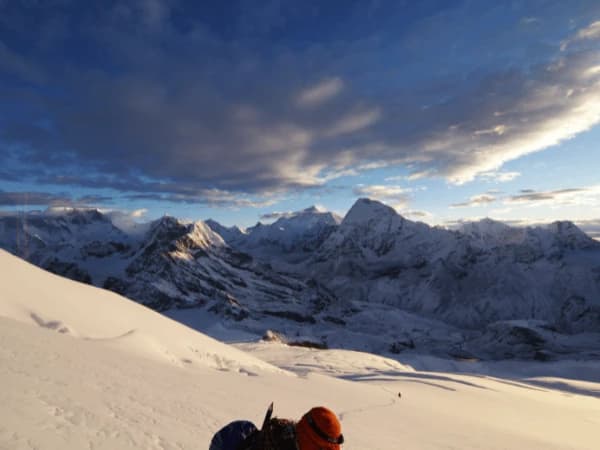
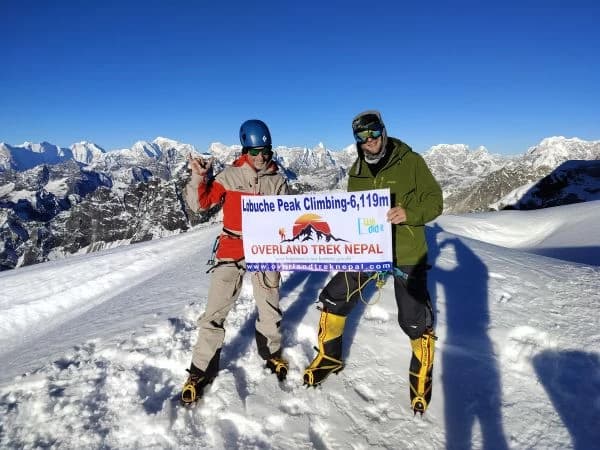
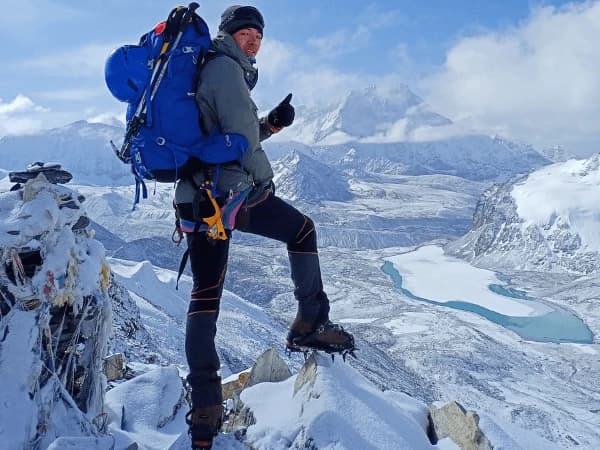
Annapurna Three Peak Climbing
View More Images

Annapurna Three Peak Climbing - 20 Days

49 reviews in Trip Advisor
Recommended by 99% of travelers
Trip Facts
Duration
20 Days
Trip Grade
Strenuous
Country
Nepal
Maximum Altitude
6,419 m.
Group Size
1 - 12 Pax
Starts
Kathmandu
Ends
Kathmandu
Activities
Trekking, Hiking & Climbing
Best Time
Spring & Autumn

Overview of Annapurna Three Peak Climbing in Nepal

Annapurna Three Peak Climbing is a 20–25-day expedition that allows climbers to summit three trekking peaks above 6,000 meters in one continuous itinerary. The Annapurna Three Peak Climbing journey is a specialised expedition designed to summit three of the most iconic 6,000-meter peaks in the region: Pisang Peak (6,091m),Chulu West (6,419m), and Thorong Peak (6,144m). The route passes through Manang Valley, one of Nepal’s most important acclimatisation zones.

Unlike isolated peak climbs, this expedition follows a logical climbing sequence:

  1. Pisang Peak – introduction to alpine climbing
  2. Chulu West Peak – technical and glaciated ascent
  3. Thorang Peak – strong finishing summit after Thorong La Pass

The expedition reaches a maximum altitude of 6,419 meters at Chulu West Peak. It is ideal for climbers preparing for mountaineering or expeditions like Himlung Himal.

Overland Trek Nepal has crafted a 20 Day Annapurna Three Peak Climbing in Nepal, designed with a well-paced itinerary and affordable cost.

Highlights of 20-Day Annapurna Three Peak Climbing

  • Reach the top of three distinct 6,000m peaks: Pisang, Chulu West, and Thorong Peak.
  • Master the steep snow slopes, technical ridges, and glacier traverses during the Annapurna Three Peak Summit.
  • Dazzling views of the Annapurna Massif, Dhaulagiri, Manaslu, and Tilicho Peak.
  • Explore the ancient Buddhist monasteries and unique traditions of the Manang and Mustang districts.
  • Moderate to challenging Difficulty Trip, best for experienced climbers.

Why Climb the Three Peaks in Annapurna with Overland Trek Nepal?

  • Expert and Government Certified Climbing Guide
  • Professional Climbing leaders with years of experience.
  • Focus on Safety: First Aid Kit with Oximeter, Oxygen Bottles, & Daily health monitoring.
  • Benefits like a duffel bag, Trekking poles, T-shirts, and more.
  • Strong evacuation planning in case of emergencies.
  • 100% climbing & expedition success rate

Annapurna Three Peak Climbing Itinerary

  • Day 01: Drive from Kathmandu to Chame
  • Day 02: Trek from Chame to Upper Pisang (3300m, 5-6 hours)
  • Day 03: Acclimatisation at Upper Pisang (3300m)
  • Day 04: Trek from Upper Pisang to Base Camp (4380m, 4-5 hours)
  • Day 05: Acclimatisation at Base Camp
  • Day 06: Trek from Pisang Peak Base Camp to High Camp (5400m, 5-6 hours)
  • Day 07: Summit Pisang Peak and trek to Upper Pisang (3300m, 8-10 hours)
  • Day 08: Trek from Upper Pisang to Manang (3540m, 6-7 hours)
  • Day 09: Acclimatisation at Manang
  • Day 10: Trek from Manang to Yak Kharka (4020m, 5-6 hours)
  • Day 11: Trek from Yak Kharka to Chulu West Peak Base Camp (4800m, 5-6 hours)
  • Day 12: Acclimatisation & training at Base Camp
  • Day 13: Climb to High Camp (5300m, 4-5 hours)
  • Day 14: Summit Chulu West Peak and trek back to Yak Kharka (4020m, 9-10 hours)
  • Day 15: Trek from Yak Kharaka to Thorang Phedi (4540m, 5-6 hours)
  • Day 16: Trek from Thorang Phedi to High Camp (4880m, 5-6 hours)
  • Day 17: Summit Thorang Peak and Trek to Muktinath (3800m, 10-12 hours)
  • Day 18: Drive from Muktinath to Pokhara (850m, 6-7 hours)
  • Day 19: Contingency Day
  • Day 20: Drive back to Pokhara

If you have limited time for this itinerary, then you can join one of these peaks, such as the 15 Day Pisang Peak Climbing or 12 Days Thorang Perak Climbing. Overland Trek Nepal offers you flexible Peak climbing itineraries for the real mountaineering experiences.

Cost of Climbing Annapurna Three Peaks for 2026,2027

The Cost of Annapurna Three Peak Climbing ranges from USD 3999 to USD 6999 per person. Overland Trek Nepal offers this trip starting from USD 3999 per person with a discounted price. The cost covers the climbing guide, porter, transportation, climbing permits, climbing gear rent, and other operational costs.

Overland Trek Nepal offers fair, competitive rates with no hidden charges. If you want to customize the trip or cost, then feel free to contact us via email or WhatsApp us at +9779841920870.

How to Book Annapurna Three Peak Climbing?

Book this Annapurna Three Peaks (Chulu West, Pisang Peak, and Thorang Peak) with us today. Booking is a very simple and easy method. Click on the quick inquiry or fill out the booking form for your preferred dates.

For added convenience, contact us directly via WhatsApp at +9779841920870 to receive a customised itinerary and services. Our team will get in touch with you within a few hours of your inquiry.

Reserve your spot with a 20% deposit and pay the rest upon arrival in Nepal. You can make payments online or transfer funds directly through the bank.
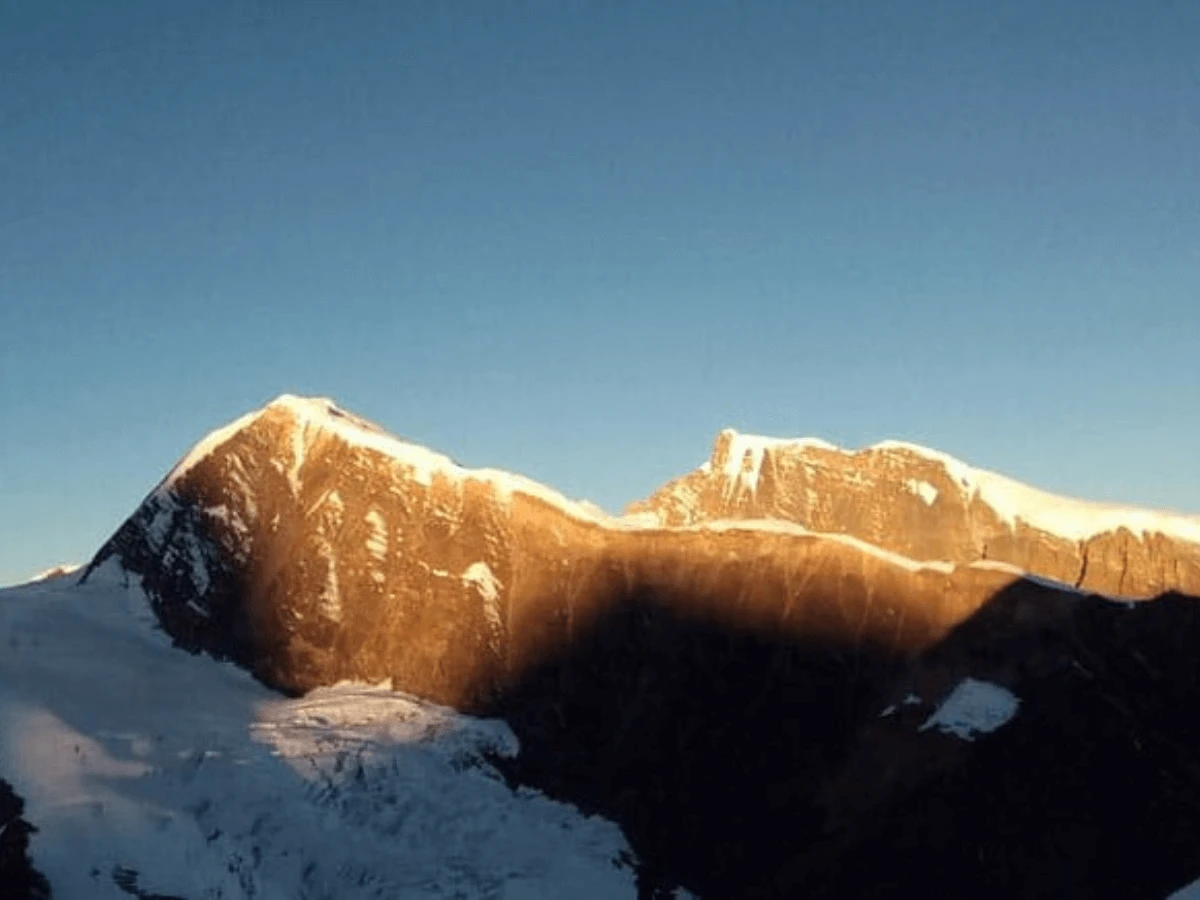
Itinerary

This 20-day adventure is a demanding yet rewarding journey combining high-altitude trekking and peak climbing in the Annapurna region. All walking hours and distances are approximate and meant only as a general guideline, as conditions may change. The itinerary is fully flexible and can be customized to match your time, fitness, and preferences. By Overland Trek Nepal

Tour PlanExpand all

Highlights of the Day

  • Scenic drive via Besisahar, Marsyangdi River valleys, and hill villages
  • First views of Lamjung Himal and Annapurna landscapes on the route
  • Roadside stops for local tea, lunch, and authentic Nepali culture
  • Overnight at Chame, the gateway town of the upper Manang region

Your Annapurna Three Peak Climbing adventure begins with a full-day drive from Kathmandu to Chame. The road follows the Marsyangdi River and passes terraced farms, waterfalls, and traditional settlements. Chame is a beautiful Himalayan town with hot springs, pine forests, and a strong trekking vibe.

Max Altitude: 2,670m. Meals: Breakfast, Lunch & DinnerAccommodation: TeahouseDistance: 8-9hrs

Highlights of the Day

  • Trek through pine forests with river crossings and dramatic cliff scenery
  • Wide-open Himalayan valley views and a first close look at Pisang Peak
  • Walk past traditional houses and prayer flags in peaceful villages
  • Overnight at Upper Pisang with amazing sunset views over Annapurna II

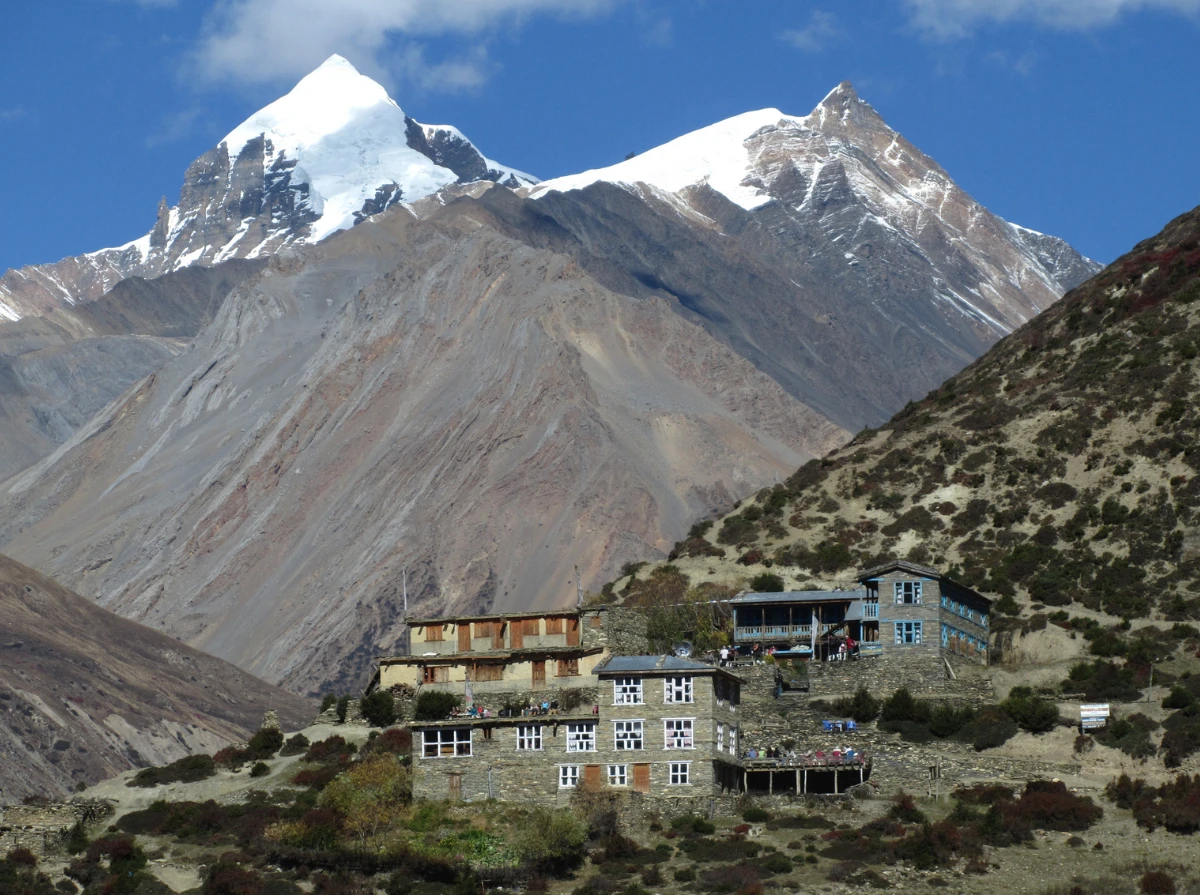
After breakfast at Chame, you will trek to Upper Pisang, gaining altitude gradually while enjoying classic Annapurna Circuit scenery. The trail follows forest paths and riverbanks, with spectacular cliffs and changing landscapes. As you arrive in Upper Pisang, the valley opens, and the mountains feel closer and sharper. You will notice Tibetan-style culture in architecture, prayer wheels, and local lifestyle. Upper Pisang is a perfect place to prepare for Pisang Peak Climbing.

Max Altitude: 3,300m. Meals: Breakfast, Lunch & DinnerAccommodation: TeahouseDistance: 5 - 6hrs

Highlights of the Day

  • Gentle acclimatization hike to viewpoints above Pisang village
  • Practice breathing, pacing, and hydration for high altitude climbing
  • Optional gear check and basic climbing movement practice with a guide
  • Strong rest day to prepare for Pisang Peak Base Camp transition

Today you will spend an extra day here. This acclimatisation day helps your body adapt to the altitude before moving higher. Your guide may also run a light session to review basic mountain safety, layering, and pacing tips. Upper Pisang is one of the best acclimatisation stops in the Annapurna region because it is peaceful and scenic. By the end of the day, you will feel more prepared for Pisang Peak Base Camp.

Max Altitude: 4,200m. Meals: Breakfast, Lunch & DinnerAccommodation: TeahouseDistance: 2-3hrs

Highlights of the Day

  • Enter alpine terrain as forests thin and views become wider
  • Remote trail toward Pisang Peak base with dramatic ridge landscapes
  • Camp setup at base camp with the first strong high mountain feeling
  • Evening briefing on summit plan, weather, and climbing routine

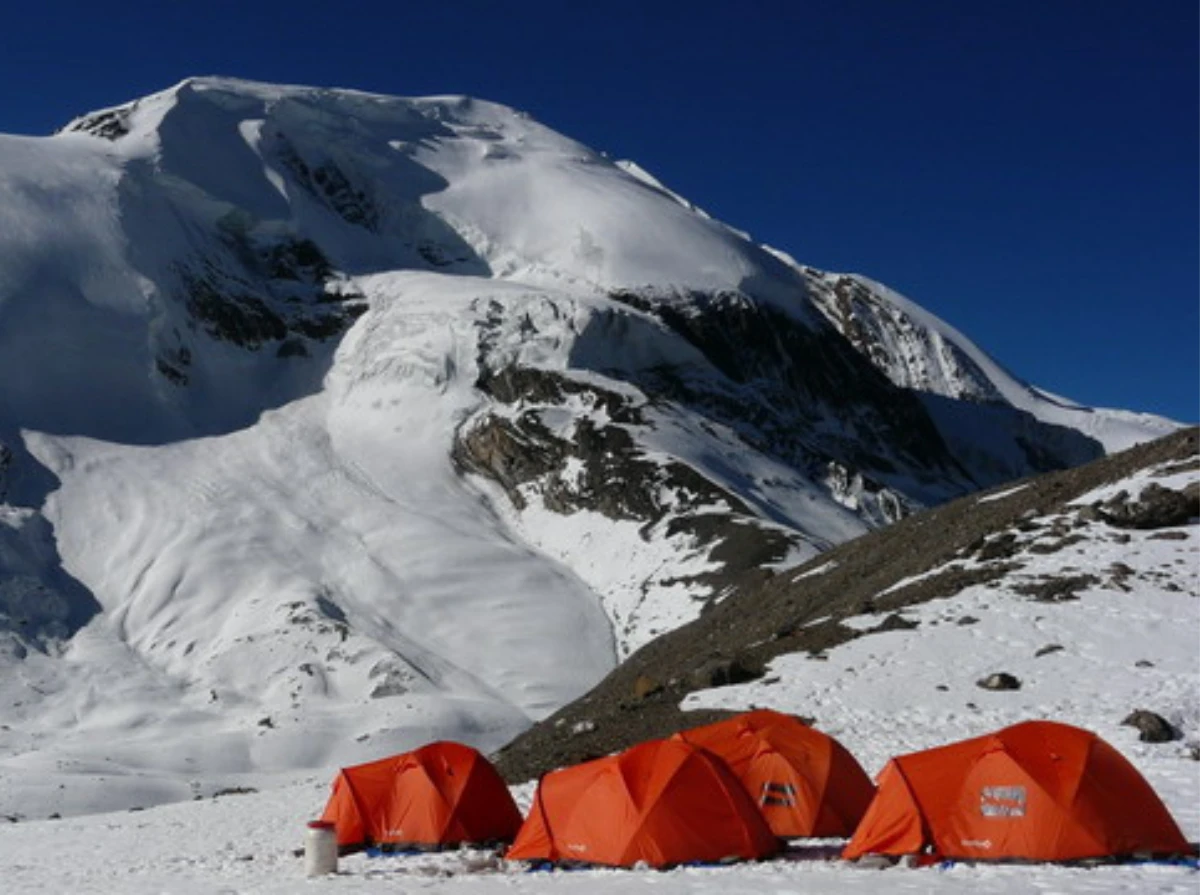
After breakfast around 6:30 am, you leave Upper Pisang and trek toward Pisang Peak Base Camp. The trail becomes quieter, and the landscape shifts from trees to open slopes and rocky ground. As you gain altitude, the views of Annapurna II and the surrounding peaks become bigger and brighter. Reaching base camp feels like stepping into the true climbing part of the expedition. Overnight stay at Base Camp.

Max Altitude: 4,380m. Meals: Breakfast, Lunch & DinnerAccommodation: Tent CampDistance: 4-5hrs

Highlights of the Day

  • Basic climbing training: crampons, harness, ice axe, and rope safety
  • Short acclimatisation walk near camp to boost adaptation
  • Gear check for summit day and packing plan for high camp
  • Rest and recovery day to improve Pisang Peak summit success

Today is a key acclimatisation and training day at Pisang Peak Base Camp. Your guide will teach or refresh essential mountaineering skills such as walking in crampons, using an ice axe, and moving safely on a rope. You may take a short hike nearby to support acclimatisation without overexertion. This day also helps you organise personal gear, layers, gloves, headlamp, and summit snacks.

Max Altitude: 4,380m. Meals: Breakfast, Lunch & DinnerAccommodation: Tent CampDistance: 2-3hrs

Highlights of the Day

  • Steep ascent into high alpine terrain above 5,000 meters
  • Strong mountain views and a clear sense of expedition altitude
  • Early dinner and rest for the Pisang Peak summit attempt
  • Final briefing on rope sections, timing, and safety signals

You climb from base camp to Pisang Peak High Camp, gaining serious altitude. The trail is steeper and demands slow, steady pacing. High camp is positioned for an early summit start, so the focus is on efficiency and recovery. Once you arrive, the team prepares a warm meal and checks weather conditions. Your guide will confirm the summit plan, including start time, rope movement, and turning points. Overnight stay at High Camp.

Max Altitude: 5,400m. Meals: Breakfast, Lunch & DinnerAccommodation: Tent CampDistance: 5-6hrs

Highlights of the Day

  • Early summit push with sunrise views over Annapurna and Manang Valley
  • Reach the 6,091m summit of Pisang Peak with an epic Himalayan panorama
  • Controlled descent back to base and onward to Upper Pisang
  • Big confidence boost before moving toward Chulu West Peak Climbing

Your guide will help you in waking up at 2-3 am at midnight, then begin the summit push. You climb steadily, following your guide across snow slopes and ridge sections. As the sun rises, the Annapurna range glows, and the valley looks endless below. Reaching the summit of Pisang Peak at 6,091 meters is a major achievement of the Annapurna Three Peaks. After photos and a short break, you descend carefully back to camp, then continue down to Upper Pisang to recover at a lower altitude. Overnight stay at Upper Pisang.

Max Altitude: 6,091m. Meals: Breakfast, Lunch & DinnerAccommodation: TeahouseDistance: 8-10hrs

Highlights of the Day

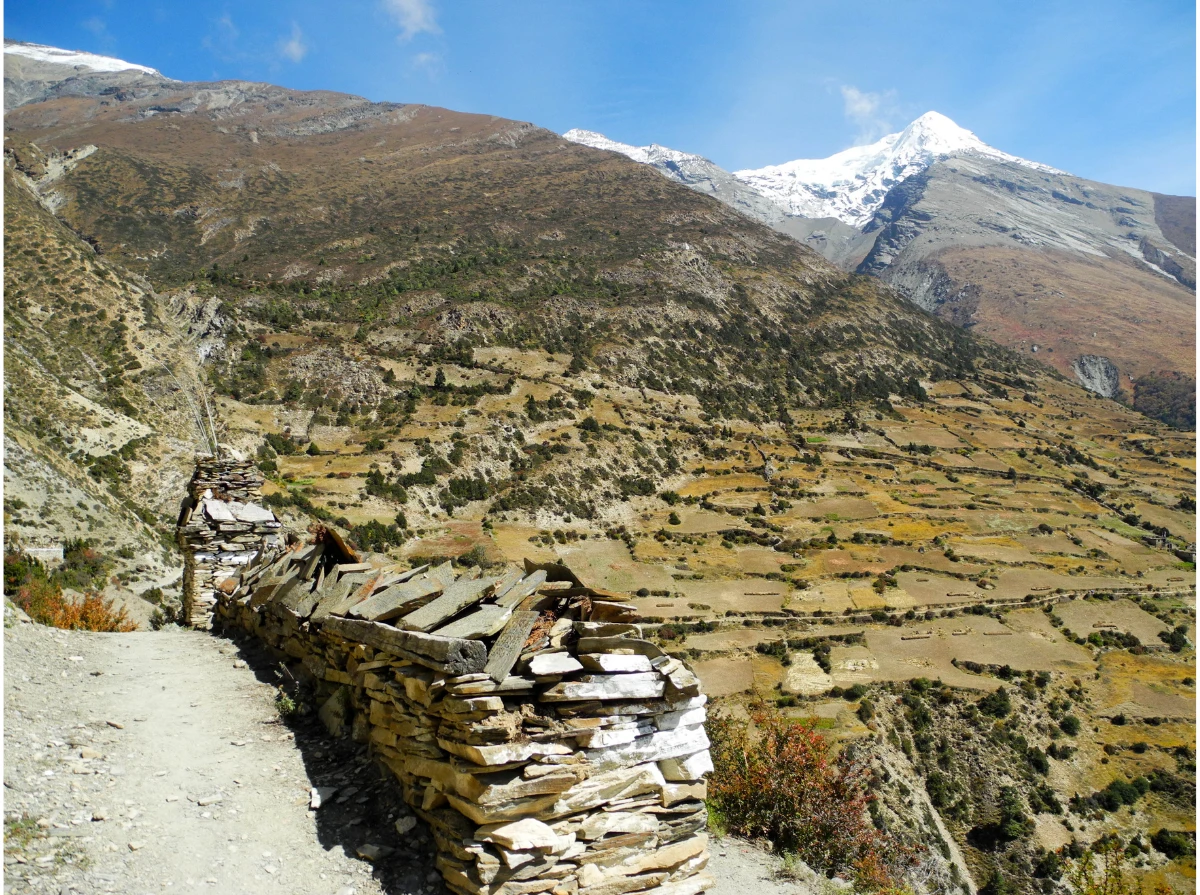
  • Classic Annapurna Circuit trail with cultural villages and mani walls
  • Wide views of Gangapurna, Annapurna III, and the surrounding glaciers
  • Arrive in Manang, the best acclimatisation hub in Annapurna
  • Comfortable lodges, bakeries, and a preparation base for Chulu West

Today you trek from Upper Pisang to Manang, one of the most important acclimatisation towns in Nepal. The trail offers a mix of mountain culture, open valley views, and classic Annapurna Circuit landscapes. Manang is known for its strong trekking infrastructure, warm lodges, and excellent acclimatisation options. Once you arrive, you can relax, enjoy a good meal, and prepare for the next climbing phase. Overnight stay at Manang.

Max Altitude: 3,540m. Meals: Breakfast, Lunch & DinnerAccommodation: TeahouseDistance: 6-7hrs

Highlights of the Day

  • Acclimatisation hike to Gangapurna Lake or nearby viewpoints
  • Optional visit to the Himalayan Rescue Association for altitude education
  • Gear check and planning for Chulu West Peak Base Camp
  • Rest day improves safety and success for Chulu West summit

Manang acclimatisation is one of the biggest reasons climbers succeed in Annapurna peak climbing. Today, you take a short hike to a viewpoint or to Gangapurna Lake to help your body adapt. You can also visit the Himalayan Rescue Association session if available, which explains altitude sickness signs and prevention. Overnight stay at Manang.

Max Altitude: 3,900m. Meals: Breakfast, Lunch & DinnerAccommodation: TeahouseDistance: 2-3hrs

Highlights of the Day

  • Gradual altitude gain through dry alpine landscapes
  • Increased chances of spotting yaks and blue sheep on the slopes
  • Strong views of the Chulu range and the surrounding Himalayan giants
  • Overnight at Yak Kharka to prepare for Chulu West Base Camp

You leave Manang around 7 am after breakfast and trek to Yak Kharka, a beautiful high-altitude stop with wide landscapes and quieter trails. The terrain becomes drier and more open, with fewer trees and more mountain air. The ascent is gradual, allowing safe adaptation as you pass 4,000 meters. Along the trail, you may see yaks grazing and local herders moving between seasonal shelters. Yak Kharka offers a peaceful overnight stay.

Max Altitude: 4,020m. Meals: Breakfast, Lunch & DinnerAccommodation: TeahouseDistance: 5-6hrs

Highlights of the Day

  • Leave the main trail and enter a remote route toward Chulu West
  • Alpine climb with powerful views of Annapurna and Manang Valley
  • Set up base camp in a true expedition environment
  • Evening briefing on glacier travel and summit day strategy

Today you trek from Yak Kharka to Chulu West Peak Base Camp, shifting from trekking mode into expedition mode again. The route becomes quieter and more remote as you leave the main Annapurna Circuit trail. You will feel the altitude more strongly, so pacing and hydration are essential. Base camp sits in a dramatic alpine setting, surrounded by high ridges and glaciated peaks. Once camp is set, you rest and enjoy a warm meal prepared by the crew.

Max Altitude: 4,800m. Meals: Breakfast, Lunch & DinnerAccommodation: Tent CampDistance: 5-6hrs

Highlights of the Day

  • Practice rope techniques, crampon steps, and glacier safety basics
  • Learn team movement, anchor awareness, and fixed rope handling
  • Final gear check for high camp and summit push
  • Rest day increases safety on the technical Chulu West terrain

This acclimatisation and training day prepares you for the technical demands of Chulu West Peak. Your guide will focus on rope travel, crampon technique, and safe movement on snow and glacier terrain. You will review commands, spacing, and how to respond on steep sections. This session is practical, simple, and designed for real summit conditions. You also organise summit clothing layers, gloves, goggles, and snacks.

Max Altitude: 4,800m. Meals: Breakfast, Lunch & DinnerAccommodation: Tent CampDistance: 2-3hrs

Highlights of the Day

  • Steady climb to high camp with colder, windier conditions
  • Stunning high-altitude views over Manang and the Annapurna massif
  • Early dinner and hydration for summit readiness
  • Final briefing on route, ropes, and turning point safety

You ascend from Chulu West Base Camp to High Camp, moving higher into a more exposed alpine zone. The climb is shorter but feels tougher due to thinner air and colder temperatures. High camp is placed for an early summit start, so the afternoon is focused on rest, hydration, and preparation. Your guide checks weather windows and reviews the summit route, including glacier crossings and rope sections. Tomorrow is a major day—Chulu West Peak summit day at 6,419 meters.

Max Altitude: 5,300m. Meals: Breakfast, Lunch & DinnerAccommodation: Tent CampDistance: 4-5hrs

Highlights of the Day

  • Reach the highest summit of the expedition: Chulu West 6,419m
  • Glacier travel and rope sections for true Himalayan mountaineering
  • Massive views of Annapurna, Dhaulagiri, and Manaslu ranges
  • Descend to Yak Kharka for recovery and safer sleeping altitude

Another summit day of the Annapurna Three Peak climbing. Wake up around 2-3 am in the morning and begin the climb. Summit day begins early with headlamps and controlled pacing. You move as a rope team across snow and glacier terrain, following the guide's instructions carefully. This is the most technical day of the expedition, requiring focus, steady breathing, and teamwork.

Reaching the summit of Chulu West Peak at 6,419 meters is a huge milestone and a true mountaineering achievement. The panorama includes Annapurna, Dhaulagiri, and wide Himalayan horizons. After a brief summit celebration, you descend safely back to camp and continue down to Yak Kharka.

Max Altitude: 6,419m. Meals: Breakfast, Lunch & DinnerAccommodation: TeahouseDistance: 9-10hrs

Highlights of the Day

  • Gradual climb toward the Thorong La Pass approach zone
  • High-altitude trekking across rocky slopes and dry landscapes
  • Overnight at Thorong Phedi, a key stop before high camp
  • Prepare for the Thorong La route and the Thorang Peak climbing phase

Today you trek from Yak Kharka to Thorong Phedi, the traditional staging point for Thorong La Pass. The route climbs slowly along dry, rugged trails, with wide valley views and strong mountain silence. Thorong Phedi is a busy but important overnight stop where climbers rest before moving higher.

Max Altitude: 4,540m. Meals: Breakfast, Lunch & DinnerAccommodation: TeahouseDistance: 5-6hrs

Highlights of the Day

  • Steeper ascent to high camp with big altitude gain
  • Thin air and colder temperatures near the pass corridor
  • Early rest and meal preparation for a long summit day
  • Final briefing for Thorang Peak and descent to Muktinath

You climb from Thorong Phedi to High Camp, gaining altitude and entering the cold, windy zone near Thorong La. The trail is steeper and requires slow steps with controlled breathing. High camp is basic but strategic, giving you a shorter distance for tomorrow’s long summit-and-descent day. After reaching camp, you rest, hydrate, and eat a warm dinner early.

Max Altitude: 4,880m. Meals: Breakfast, Lunch & DinnerAccommodation: TeahouseDistance: 3-4 hrs

Highlights of the Day

  • Final summit: Thorang Peak 6,144m with dramatic Annapurna views
  • Cold early start, steady climbing, and strong acclimatisation advantage
  • Long descent to sacred Muktinath for recovery and comfort
  • Complete the three-peak goal in one Annapurna expedition

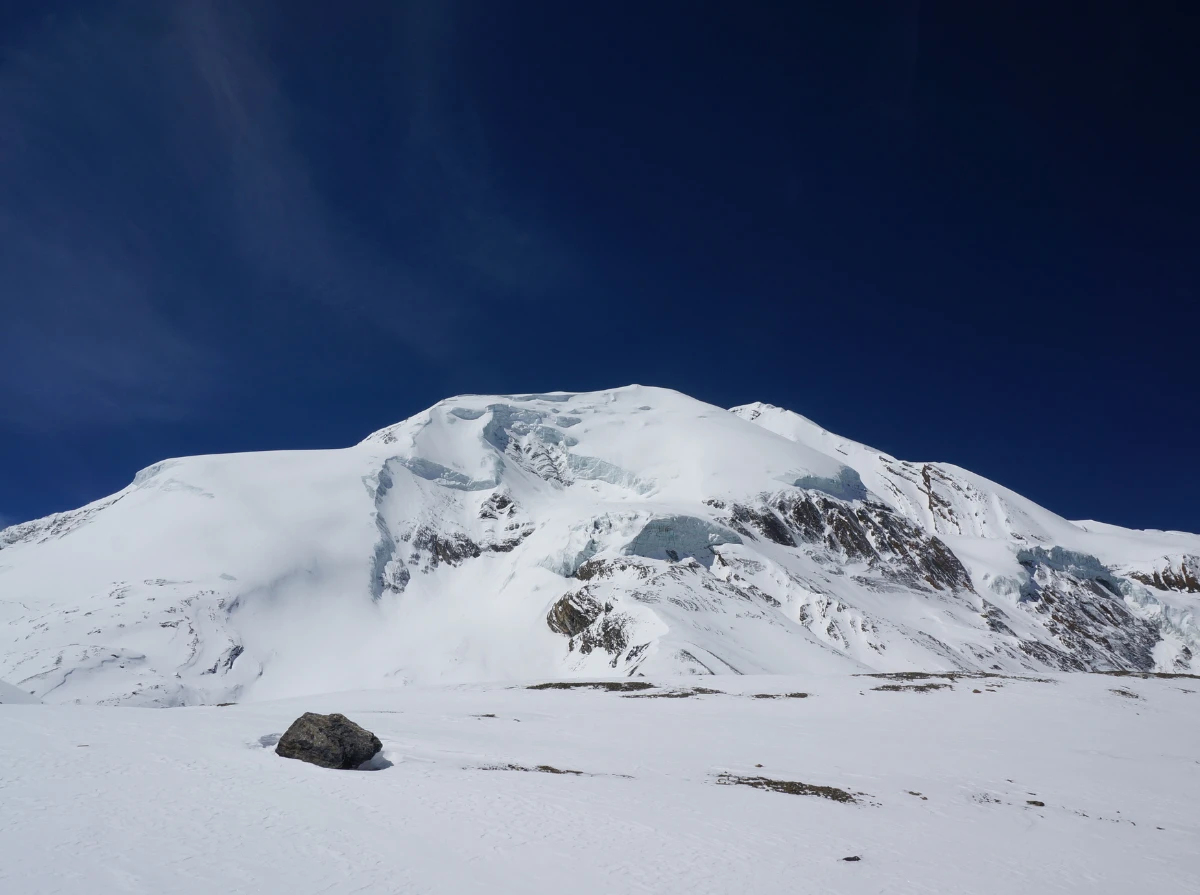
Thorang Peak summit is the last summit of this Annapurna 3 Peak Climbing. You start early in cold conditions and climb steadily with your guide, using your strong acclimatization from Pisang and Chulu West. The summit of Thorang Peak offers wide views across the Annapurna and Mustang landscapes. This final summit feels special because it completes your Annapurna Three Peak Climbing. After a short break at the top, you descend carefully and continue down to Muktinath for an overnight stay.

Max Altitude: 6,144m. Meals: Breakfast, Lunch & DinnerAccommodation: TeahouseDistance: 10 - 13hrs

Highlights of the Day

  • Scenic drive through Mustang valleys, Kali Gandaki river corridor
  • Pass Jomsom area with views of Nilgiri and Dhaulagiri landscapes
  • Celebration evening and comfortable recovery after peak climbing

After the high-altitude climbs, you drive from Muktinath to Pokhara. At first, you will pay a visit to Muktinath Temple, then drive to Pokhara. The road follows the Kali Gandaki corridor and passes through dry Mustang terrain before reaching greener hills. Along the way, you see dramatic contrasts—wind-carved valleys, riverbeds, and distant Himalayan ridges. Pokhara feels like a reward after many days in the mountains. You can enjoy a hot shower, good food, and a relaxed evening by the lakeside.

Max Altitude: 8,50m. Meals: Breakfast & LunchAccommodation: 3 - Star Hotel in PokharaDistance: 6-8hrs

Highlights of the Day

  • Buffer day for weather delays, summit shifts, or route adjustments
  • Helps protect safety and improves summit success probability
  • Flexible use: rest, recovery, or extra travel management
  • Essential for high-altitude multi-peak expedition planning


A contingency day is an important part of safe Himalayan expedition planning. Weather in the Annapurna region can change quickly, and summit days may need adjustment due to wind, snowfall, or visibility. This buffer day protects your itinerary without forcing risky decisions. If everything goes smoothly, you can use this day for extra rest in Pokhara, sightseeing, a massage, or simply recovering before travel.

Max Altitude: N/A Meals: FoodAccommodation: Accommodation

Highlights of the Day

  • Return drive with scenic riverside views and countryside landscapes
  • Final trip wrap-up, certificate, and expedition completion moment
  • Time for shopping, meals, and farewell in Kathmandu
  • Easy transfer for international flights or extra city tours

On the final day, you will travel from Pokhara back to Kathmandu, completing your Annapurna Three Peak Climbing expedition. Our guide from Overland Trek Nepal will help you to get into the Tourist Bus. The drive offers countryside views, river valleys, and a gradual return to Nepal’s busy capital atmosphere.

After arrival, you can enjoy a farewell dinner, organise final logistics, and relax after a major mountain journey. This day marks the official close of the expedition and celebrates your achievement—three Himalayan summits above 6,000 meters in one adventure: Pisang Peak, Chulu West Peak, and Thorang Peak.

Max Altitude: 1,400m. Meals: Breakfast & DinnerAccommodation: N/ADistance: 5-7 hrs
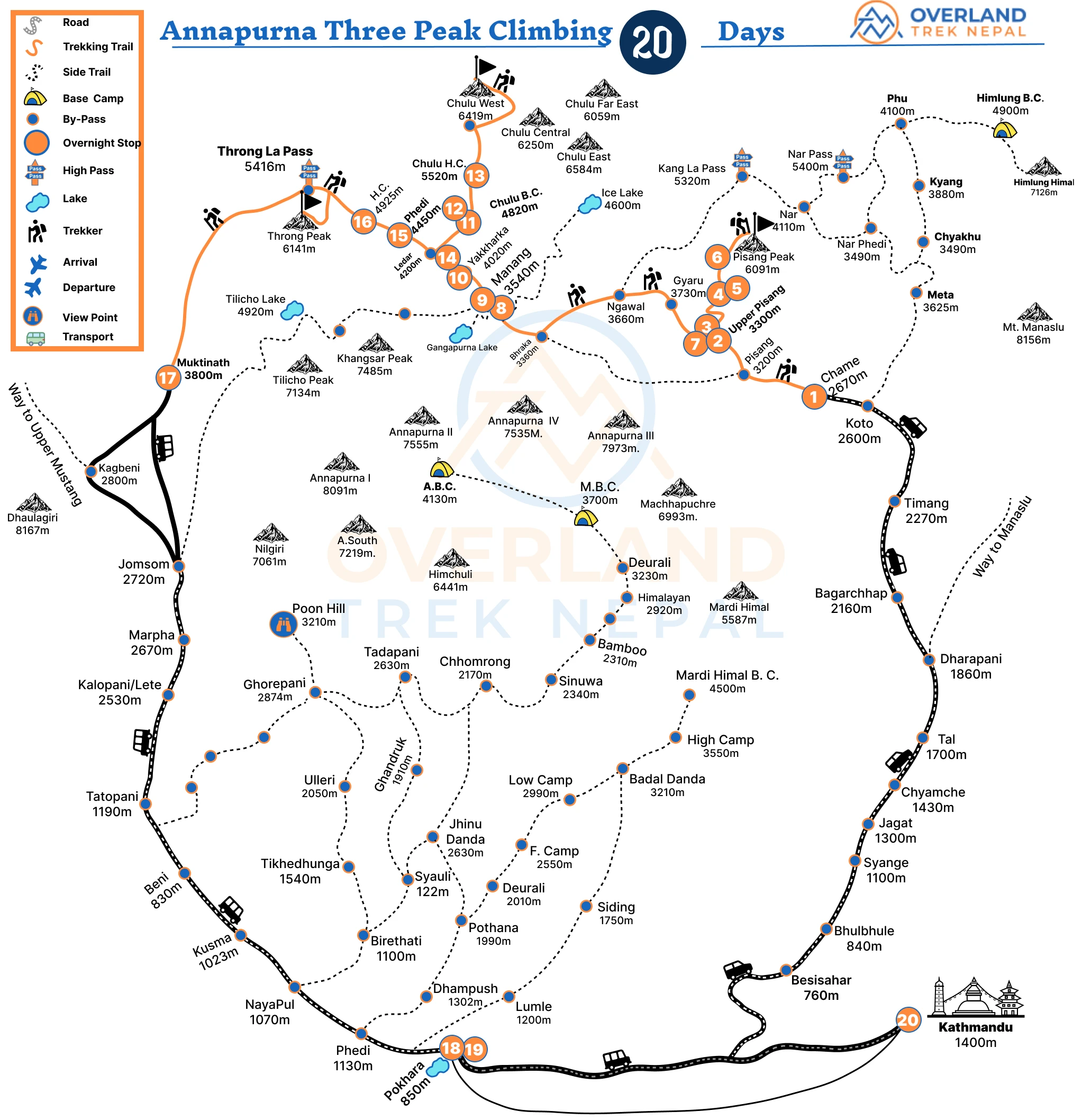
Route Map
Annapurna Three Peak Climbing Route Map
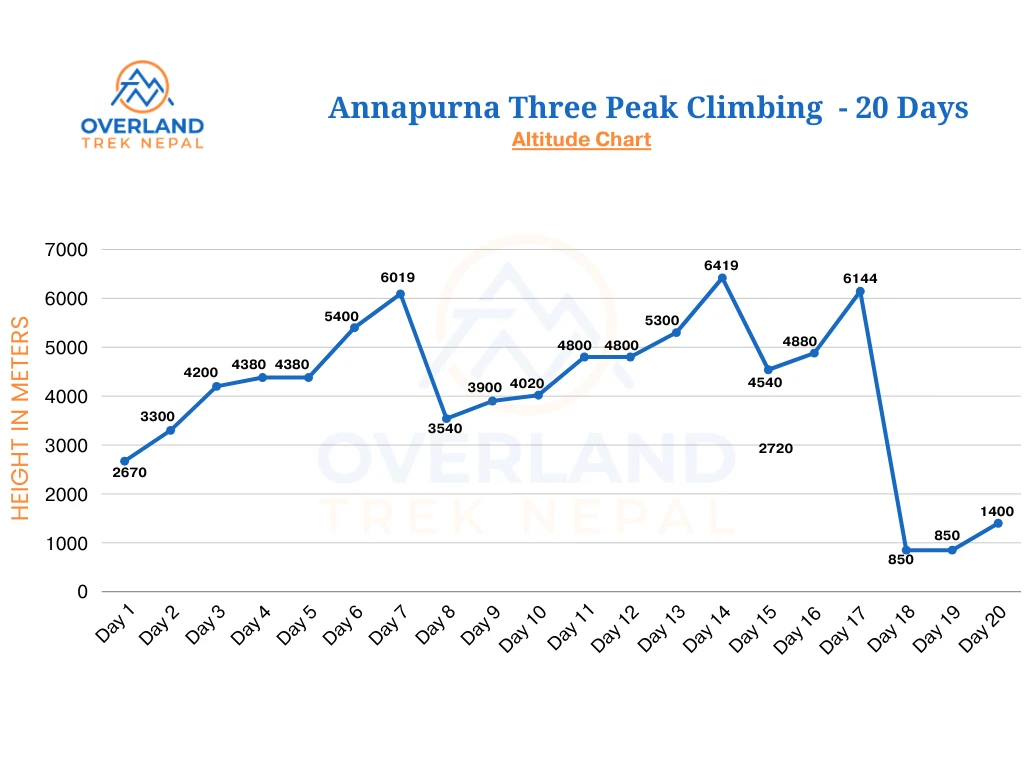
Altitude Chart
Annapurna Three Peak Climbing High Altitude Chart Map
Cost Details
Required Permits & Documents
  • Your PP Size Photo 2 Copy
  • Your Passport & Nepal Visa Copy
  • Pisang Peak Climbing Permit
  • Thorang Peak Climbing Permit
  • Chulu West Peak Climbing Permit
  • Annapurna Conservation Area Permit
  • TIMS Card (Trekkers Information Management System)
Meals & Snacks
  • Fresh Seasonal Fruits as a dessert after Dinner
  • Snickers, Bars, Chocolate, and cookies  during climbing Time
  • Welcome & Farewell dinner in Kathmandu at the end of the trek.
  • Also, Can Food be eaten during Camping in Base Camp & High Camp
  • Three meals a day (Breakfast, Lunch, Dinner) and a cup of Tea or Coffee with each meal
Accommodation
  • Tea house/ Local Guest House, Twin Sharing basis during the trek
  • One-night accommodation in Pokhara with breakfast in a 3-star Hotel
  • Tent Camp during Climbing as per above Itinerary 
Staffs & Crew Member
  • The experienced and professional Sherpa staff at Base Camp includes the Climbing Base Camp manager, cook, and kitchen Boy.
  • All the Expenses ( Accommodation, Food, Salary, Transport, Insurance, Medicine) of the Climbing Guide, All Staff & Crew members
  • Experienced & Strong Necessary Sherpa porters or mules for carrying equipment & loads. Max load 20 kg per porter.
  • Experienced and government-licensed Holder trekking and climbing, very well English speaking, Overland Trek Nepal Sherpa guide during the trekking and climbing period.
Transportation
  • Kathmandu to Besisahar to Chame by Local Transport
  • Muktinath to Pokhara by Local Bus
  • Pokhara to Kathmandu by Sofa Seated Tourist Bus 
Others
  • Trekking Map
  • All government and local taxes
  • Company Duffel bag, t-shirt, & Cap.
  • Some Normal & emergency First aid Medical Kit
  • Emergency oxygen bottle, mask & regulator at HBC (Use and pay)
  • Overland Trek Nepal trekking appreciation certificate after the successful trek
  • Climbing gear such as climbing ropes, ice screws, a ladder, and a harness will be included.
  • Rescue operation arrangements in case of complicated health conditions (funded by travel insurance).
  • All camping equipment (kitchen tent, dining tent, toilet tent, table, chair, mattress, and kitchen utensils)
  • Use a sleeping bag, down jacket, duffel bag, and walking poles (if you don’t have your own, return after the trip is completed)
Excludes
  • Personal Equipment, Climbing Gear
  • Nepal entry visa fee, International airfare
  • Lunch and dinner during your stay in Kathmandu
  • Travel medical insurance and emergency evacuation costs
  • Tips for Climbing/Trekking guide and porter (Tipping is expected)
  • Climbing Bonus & summit bonus for climbing Sherpa (if you use a Sherpa),
  • Any other expenses that are not mentioned in the price are included in this section
  • Tips for Base Camp Staff and Climbing Guide. Summit bonus for each climbing Sherpa guide. 
  • Personal expenses such as Alcoholic beverages, water bottle, cold drinks, battery charge, donation, etc
  • Applicable permit fee & custom fee for satellite phone, filming camera, communications equipment (if brought)
Complimentary
  • Nepal SIM Card
  • Trekking Pole/ Stick
  • Overland Trek Nepal Company T-Shirt
  • 1-hour full body Trekkers massage after back from trek
Dates & Availability
Select the date
Mar 2026
Apr 2026
May 2026
Jun 2026
Sep 2026
Oct 2026
Nov 2026
Dec 2026
Mar 2027
Apr 2027
May 2027
Jun 2027
Sep 2027
Oct 2027
Nov 2027
Day & Departure Dates
Status
Price
Day & Departure Date
Sunday - Friday01 Mar, 2026 - 20 Mar, 2026
Trip Status
Guaranteed
Price
US$5499
Day & Departure Date
Sunday - Friday08 Mar, 2026 - 27 Mar, 2026
Trip Status
Guaranteed
Price
US$5499
Day & Departure Date
Sunday - Friday15 Mar, 2026 - 03 Apr, 2026
Trip Status
Guaranteed
Price
US$5499
Day & Departure Date
Sunday - Friday22 Mar, 2026 - 10 Apr, 2026
Trip Status
Guaranteed
Price
US$5499
Day & Departure Date
Sunday - Friday29 Mar, 2026 - 17 Apr, 2026
Trip Status
Guaranteed
Price
US$5499

This trip has a fixed morning departure for smooth and safe travel. If the schedule doesn’t suit you, Overland Trek Nepal can easily customize the departure time to match your comfort. " Your happiness always comes first."

Essential Information

Nepal Visa Procedure for Annapurna Three Peak Climbing

Most travelers can easily obtain a Nepal tourist visa on arrival at Tribhuvan International Airport or land borders. A valid passport, passport-size photo, and visa fee are required. Click here to know more about the Nepal visa procedure and detailed requirements for your Annapurna Three Peak Climbing – 20 Days adventure.

Permits & Regulations for Annapurna Three Peak Climbing

Multiple permits are required to climb three peaks within the Annapurna region. These permits are regulated by Nepal’s mountaineering authorities and conservation bodies. All climbers must follow official guidelines and be accompanied by licensed professionals. Your trekking agency manages all paperwork to ensure compliance and smooth logistics.

Required permits

  • NMA permits for Pisang, Chulu West, and Thorang Peaks
  • Annapurna Conservation Area Permit (ACAP)
  • TIMS Card for trekking registration

Physical Requirements for the Three Peak Climbing in Annapurna

Climbers should be in good physical condition and comfortable with sustained trekking days.

You should be able to:

  • Trek 6–8 hours per day on varied terrain
  • Handle long ascents and descents at altitude
  • Maintain strong cardiovascular endurance
  • Carry a light day pack (5–7 kg) comfortably

Regular hiking, stair climbing, and endurance training before the trip greatly improve performance and enjoyment.

Technical Skills Required for the Annapurna Three Peaks

This expedition includes both trekking and mountaineering sections. Technical skills are introduced progressively.

Basic skills needed:

  • Using crampons on snow and ice
  • Handling an ice axe for balance and self-arrest
  • Understanding rope movement and safety awareness

No advanced climbing skills are required in advance. All essential skills are trained by the guide of Overland Trek Nepal at the base camp or High Camp.

Altitude Sickness during the Annapurna Three Peak Climbing

During the Annapurna Three Peak Climbing – 20 Days adventure, there is a possibility of altitude sickness as the route reaches high alpine elevations. Proper acclimatization, a gradual ascent, and good hydration greatly reduce the risk. Click here to know more about altitude sickness, symptoms, and prevention tips.

Best Time for Annapurna Three Peak Climbing

Best Season for Nepal trip

Choosing the right season is critical for safety and summit success. The Annapurna region offers two optimal climbing seasons with stable weather and favorable snow conditions. Spring provides warmer temperatures and better snow consistency, while autumn offers clear skies and stable trails. Off-season attempts are not advised due to safety risks.

Spring (March–May) – Best Overall

Spring is the most popular season due to stable weather and high success rates.

Spring advantages

  • Stable mountain weather with fewer storms
  • Warmer daytime temperatures at high camps
  • Excellent snow conditions for safe climbing
  • Higher overall summit success rate

Autumn (September–November) – Clear & Dry

Autumn is ideal for climbers who prefer clear visibility and drier trails.

Autumn advantages

  • Crisp mountain views and clear skies
  • Stable trekking routes across Annapurna
  • Colder nights but manageable conditions
  • Less snow on some climbing sections

Equipment & Gear Overview for the Annapurna Three Peaks

Proper equipment is essential for comfort, safety, and summit success. Climbers must bring personal technical gear and high-altitude clothing, while group equipment is supplied by the operator. Using appropriate gear significantly improves performance in cold and technical conditions.

Essential Personal Gear

  • High-quality mountaineering boots
  • Crampons compatible with boots
  • Ice axe, harness, and climbing helmet
  • Insulated down jacket and warm sleeping bag

Provided by Operator

  • Climbing ropes and safety lines
  • Snow stakes and ice screws
  • Group safety and rescue equipment

Meals During the Annapurna Three Peak Expedition

Meals during the Annapurna Three Peak Expedition are planned to provide high energy, easy digestion, and proper hydration at altitude. Along the Annapurna Circuit, meals are served in local teahouses with a mix of Nepali and international dishes.

Common options include dal bhat, noodles, rice meals, soups, eggs, porridge, and Tibetan bread. These meals are rich in carbohydrates, helping climbers maintain strength during long trekking and acclimatisation days.

At higher camps on Pisang Peak, Chulu West, and Thorang Peak, meals are freshly cooked by the expedition crew of Overland Trek Nepal. The focus is on warm, simple, and nutritious food such as soups, rice, pasta, potatoes, and lentils. Vegetarian meals are widely available, and special dietary needs can be arranged in advance. Proper nutrition supports acclimatisation, recovery, and overall summit success throughout the expedition.

FAQs

Annapurna Three Peak Climbing is a combined expedition that includes Pisang Peak (6,091m), Chulu West Peak (6,419m), and Thorang Peak (6,144m) in a single itinerary within the Annapurna region.

It is a moderate to challenging expedition. Pisang and Thorang Peaks are suitable for fit trekkers, while Chulu West requires prior rope and ice-axe skills.

The cost typically ranges from USD 4,500 to 6,500, depending on group size, logistics, and service level.

Chulu West Peak is the most technical due to glacier travel and rope sections, making it ideal for skill development.

Climbers need NMA permits for Pisang Peak, Chulu West Peak, and Thorang Peak, along with an Annapurna Conservation Area Permit (ACAP) and TIMS card. All climbers must be accompanied by a licensed climbing guide.

For further information
Please feel free to speak with our travel expert.
Gautam Dhakal
Mr. Gautam Dhakal
info@overlandtreknepal.com
You May Also Like
lobuche-peak-climbing
Crazy Bucket List Trip
Price From
US$2699US$2999
Explore
Mera and Island Peak Climbing
Most Demanded Climbing Trip
Price From
US$3899US$4499
Explore
Need Help? Call Us.+977 9851138871