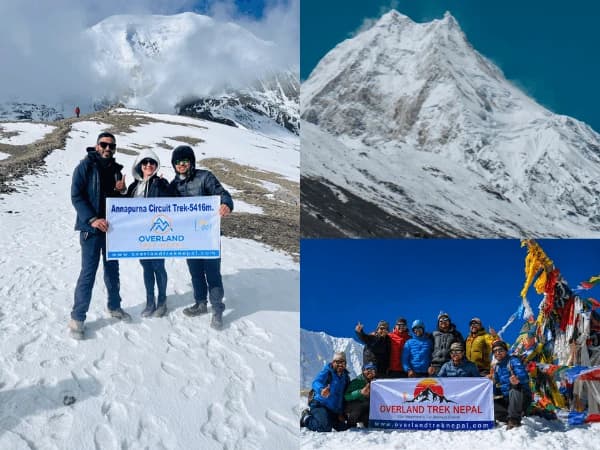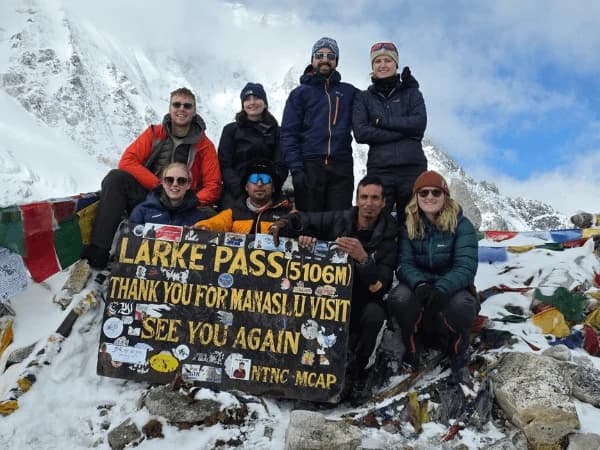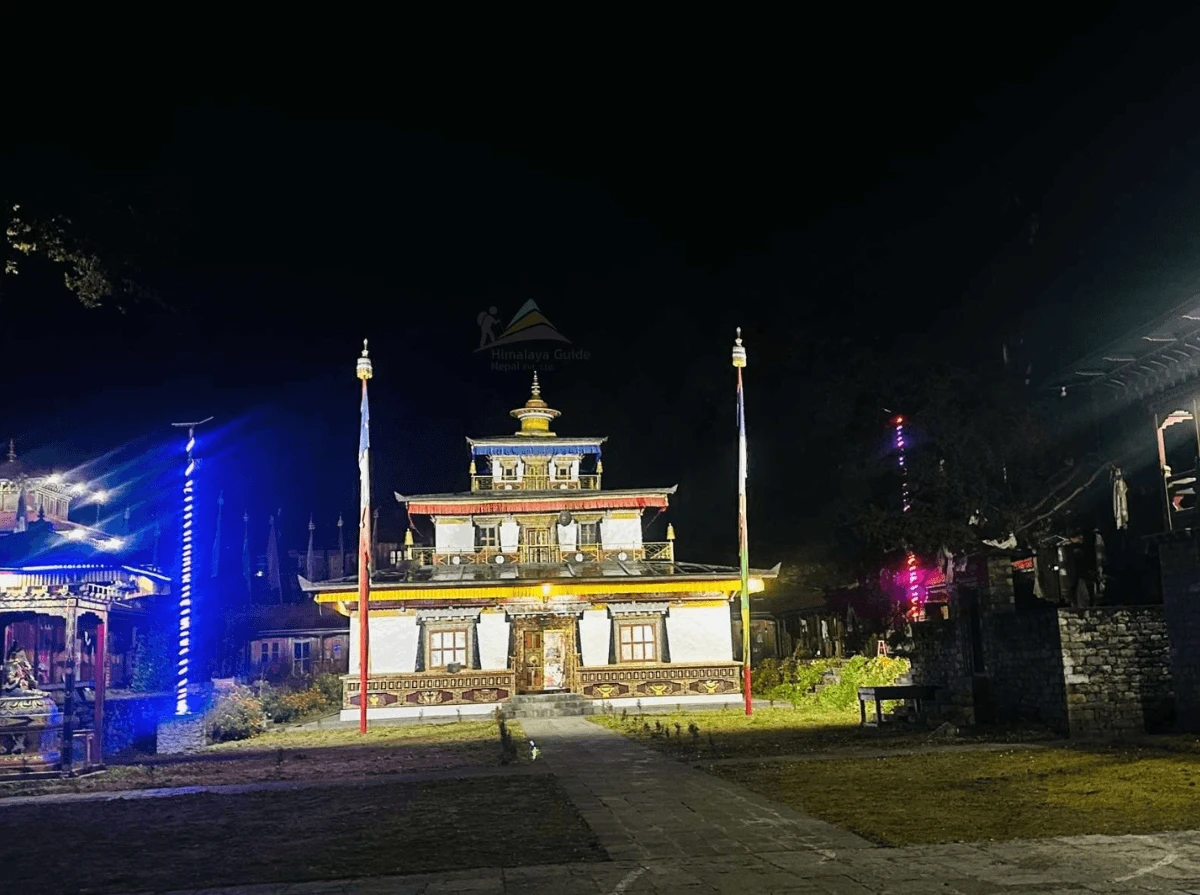
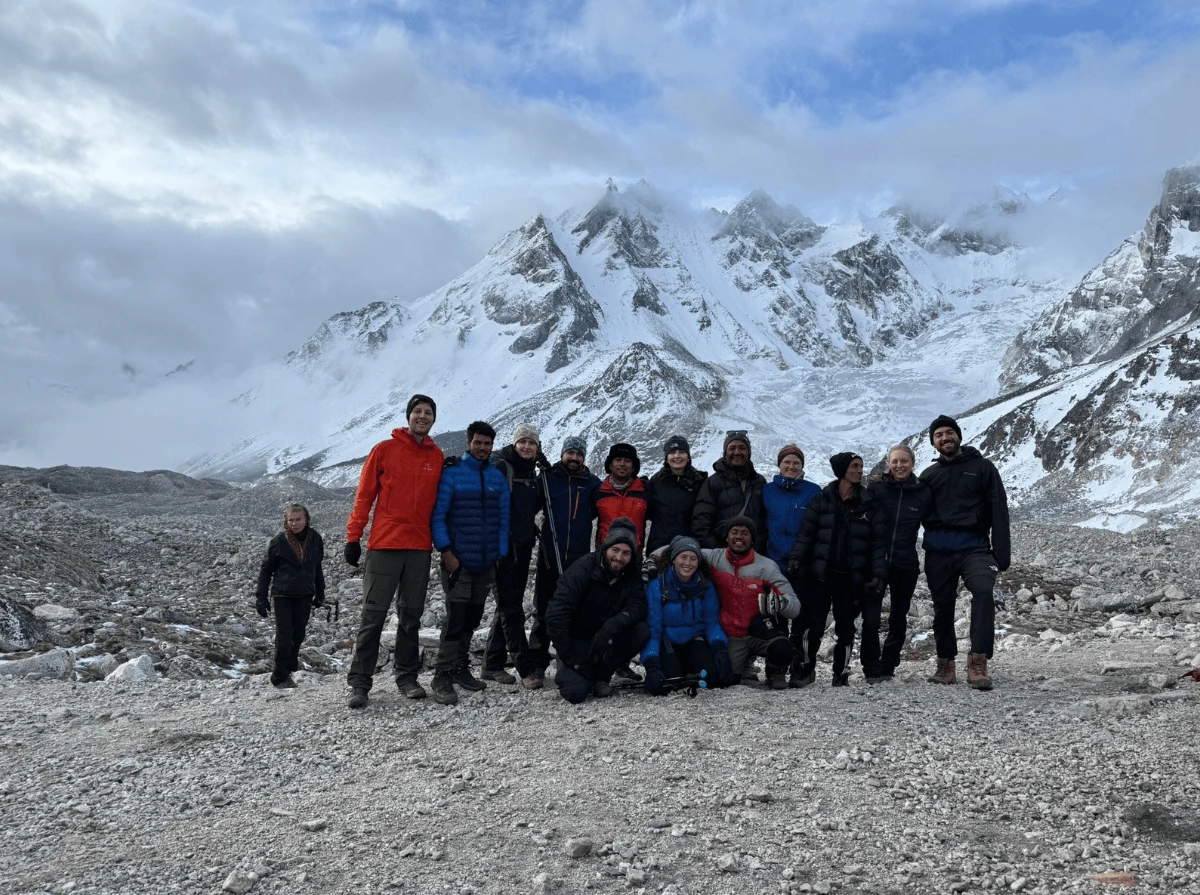
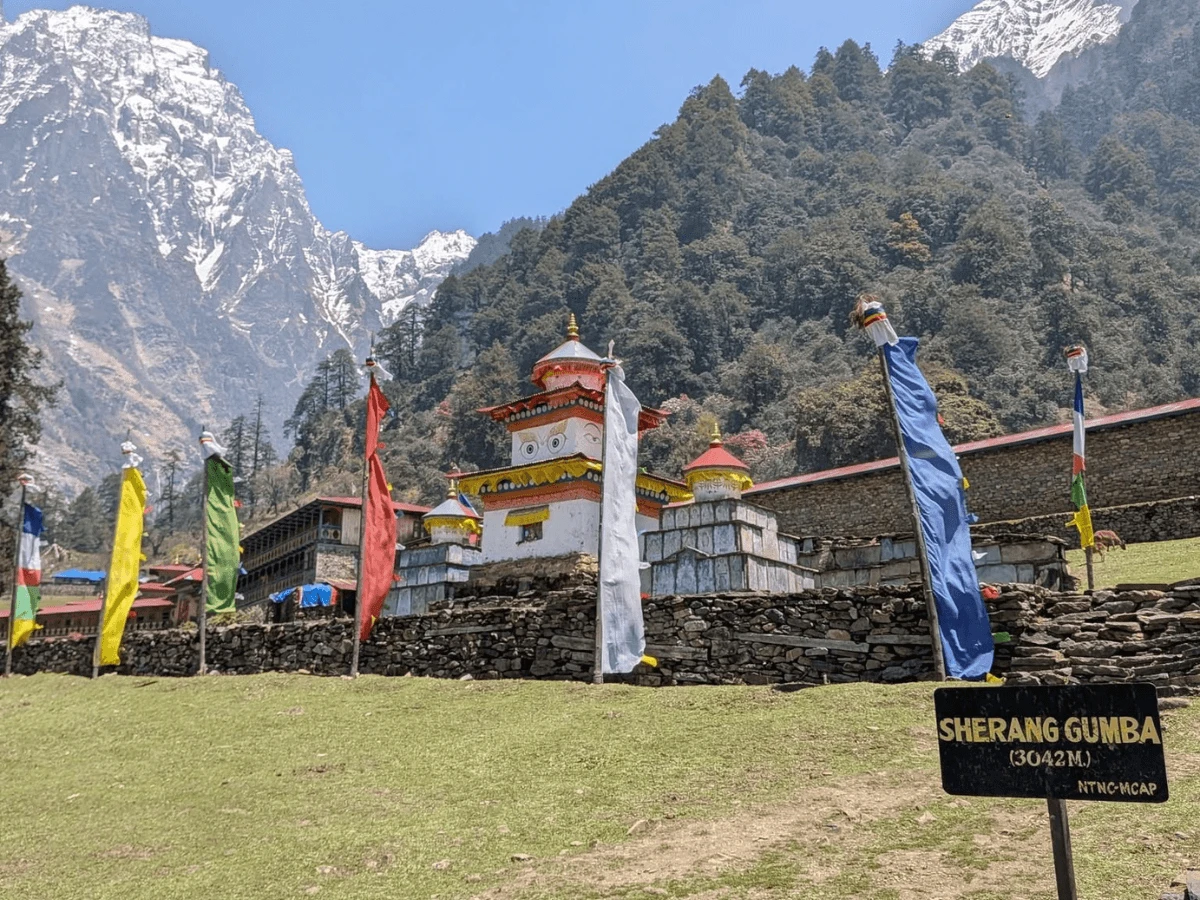
Serang Gompa illuminated at night during the Manaslu Circuit Trek with Serang Gompa
Trekking group enjoying the mountain views at Manaslu Base Camp during the Manaslu Circuit Trek
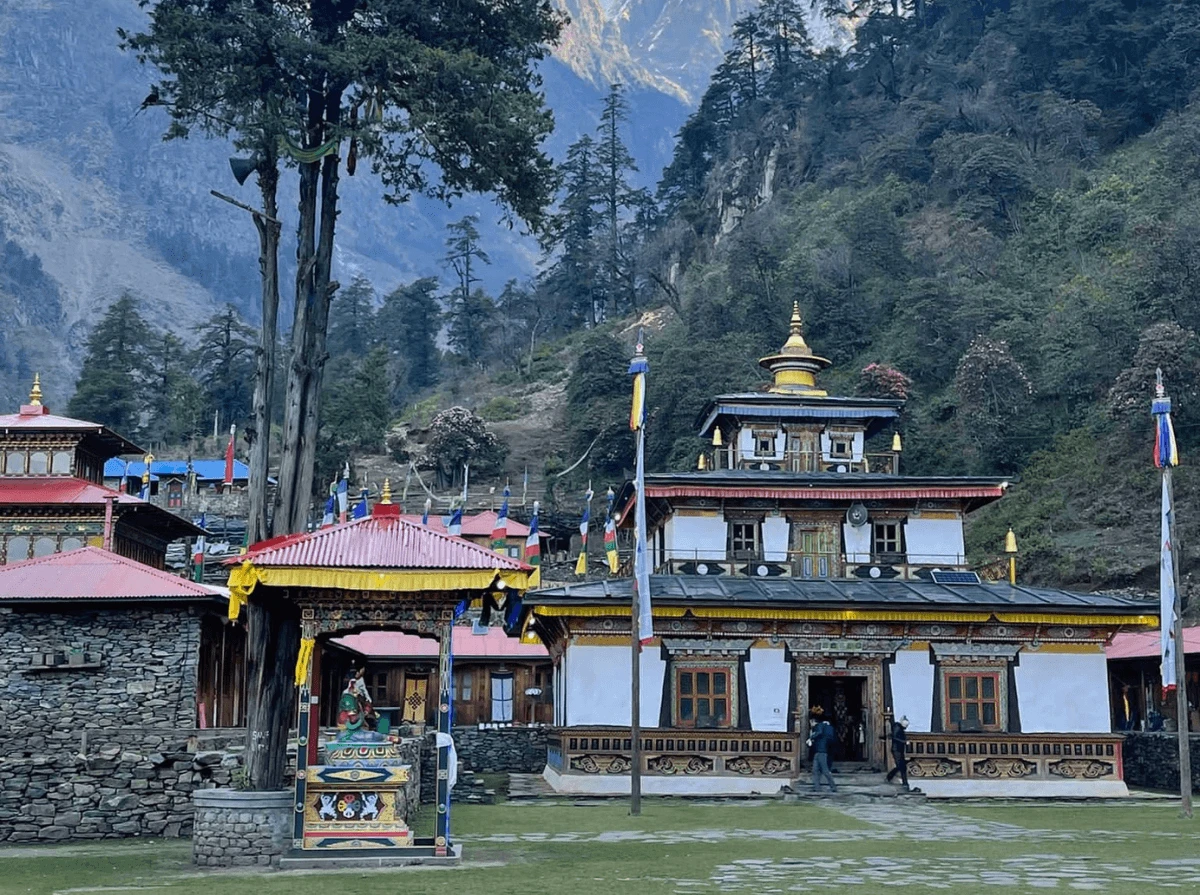
Traditional Serang Gompa monastery in the Manaslu region of Nepal
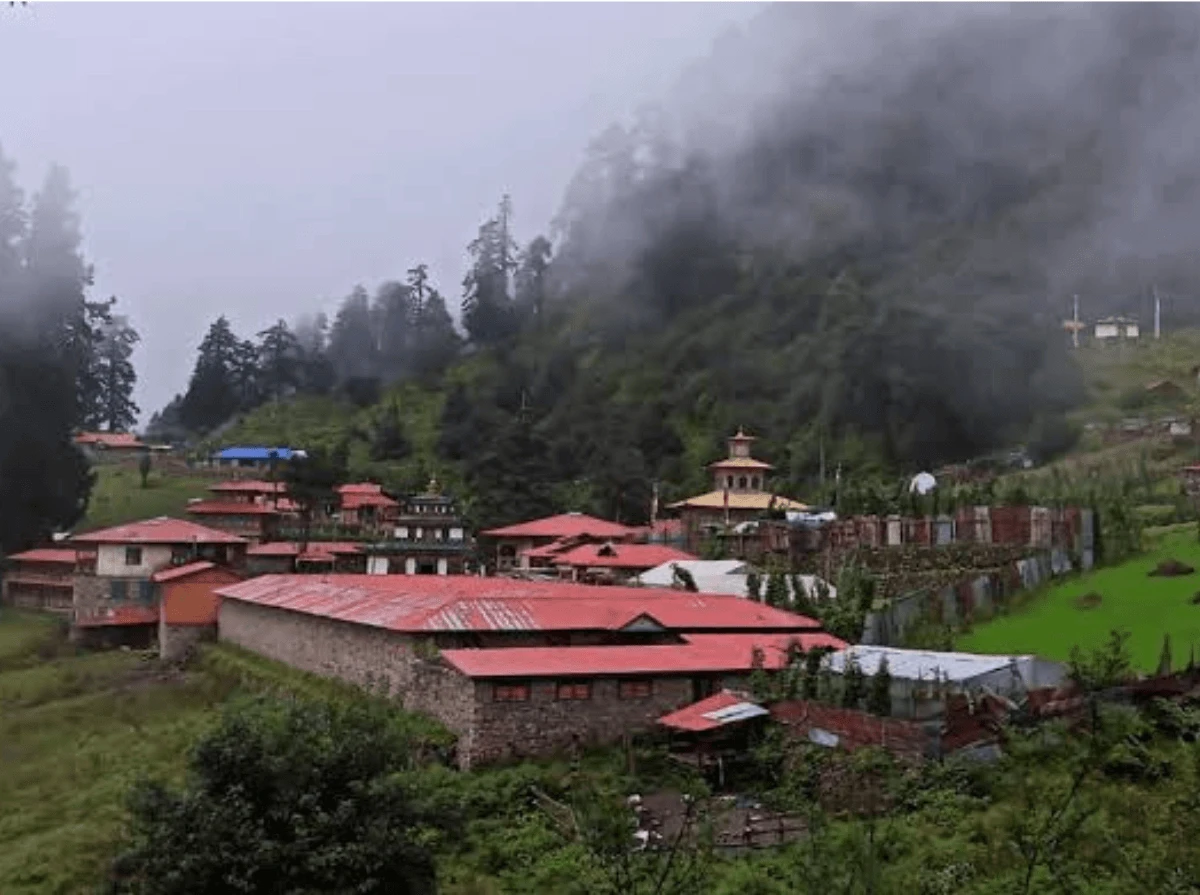
Serang Gompa village surrounded by green hills and forests on the Manaslu Circuit Trek
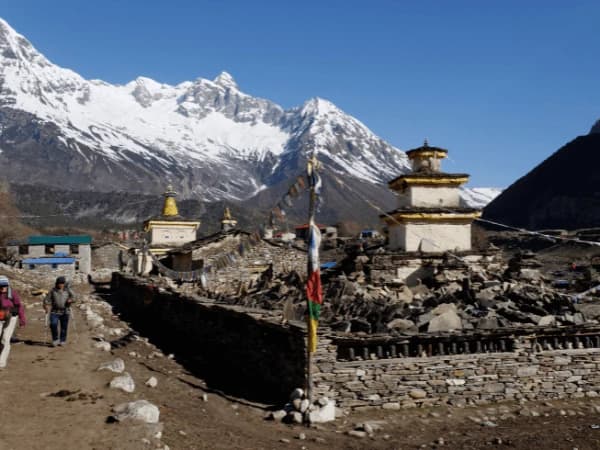
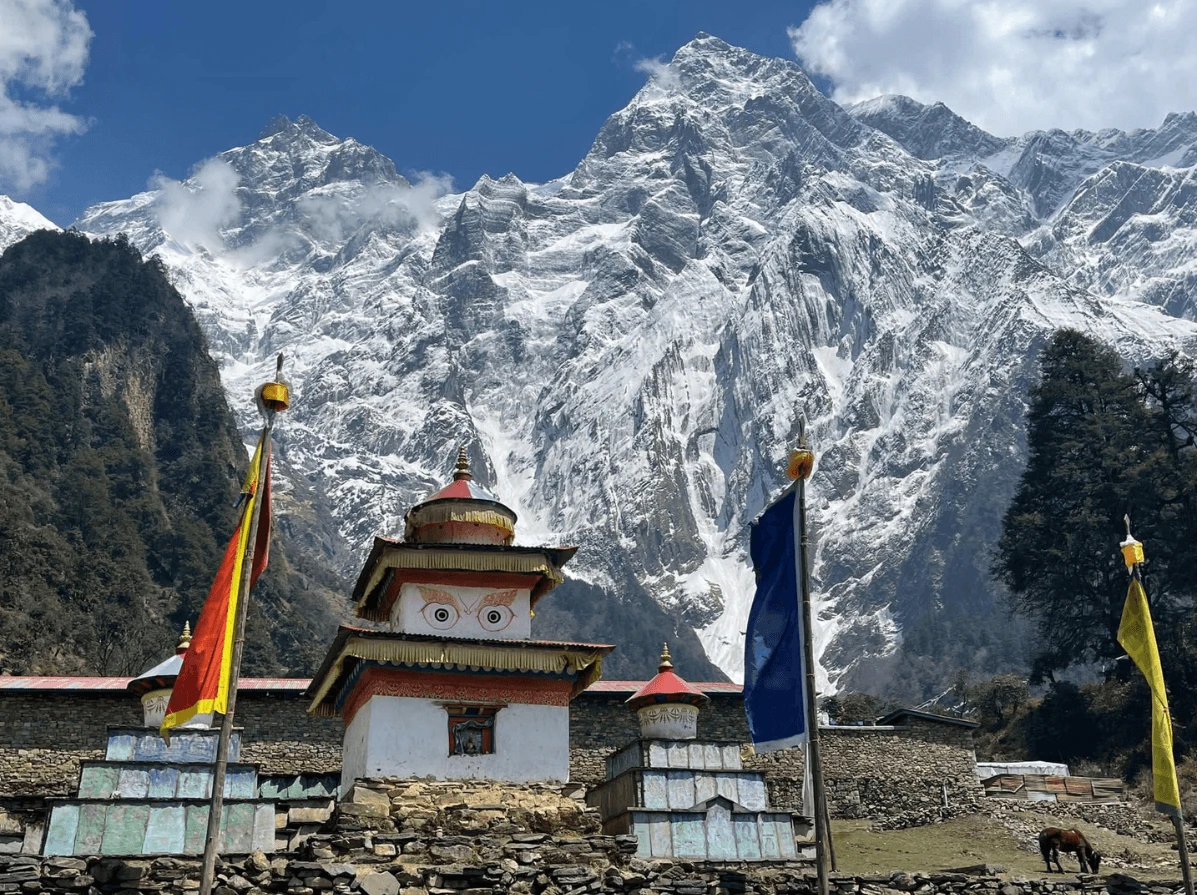
Buddhist chorten with snow-covered Manaslu mountains on the Manaslu Circuit Trek
View More Images

Manaslu Circuit Trek with Serang Gompa - 14 Days

49 reviews in Trip Advisor
Recommended by 99% of travelers
Trip Facts
Duration
14 Days
Trip Grade
Strenuous
Country
Nepal
Maximum Altitude
5,106 m.
Group Size
1 - 12 Pax
Starts
Kathmandu
Ends
Kathmandu
Activities
Trekking & Hiking
Best Time
Spring & Autumn

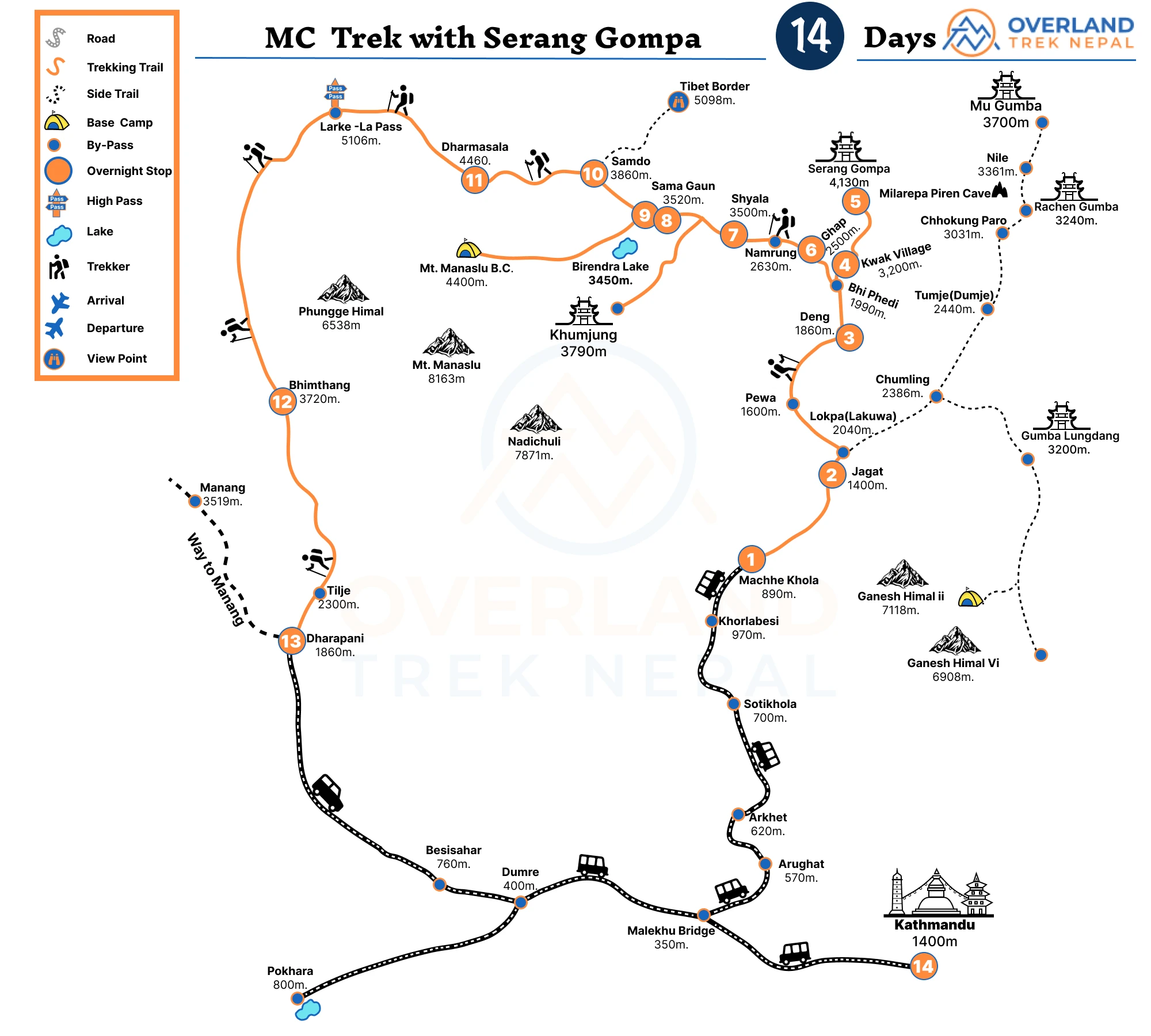
The Manaslu Circuit Trek with Serang Gompa is a 14-day Himalayan journey that combines the classic Manaslu Circuit with a remote side trip to Serang Gompa, a Buddhist monastery above the main trail near Bihi and Kwak.

Instead of walking directly from Deng toward the upper Nubri Valley, this itinerary spends two days exploring the quieter Serang route and includes a Serang Gompa monastery stay before rejoining the circuit at Ghap. The trek continues through Shyala, Samagaun, Samdo, Dharamsala, and across Larkya La Pass at 5,106 meters before descending to Dharapani.

The classic Manaslu Circuit already offers remote villages, high mountains, Tibetan-influenced culture, and one of Nepal’s great high-pass crossings. But many trekkers want something deeper than simply completing the standard route.

That is where the Manaslu Circuit with Serang Gompa is different.

This itinerary leaves the regular circuit after Deng and follows a quieter trail through Kwak Village to Serang Gompa. You spend a night near or at the monastery before returning to Ghap and continuing toward Manaslu, Samagaun, and Larkya La.

The trek combines mountain adventure with a meaningful cultural detour. It is best suited to trekkers who want the Manaslu Circuit but also want time in a remote Buddhist setting that most standard itineraries bypass.

What Is the Manaslu Circuit Trek with Serang Gompa?

The Manaslu Circuit Trek with Serang Gompa is an extended version of the Manaslu Circuit that adds a side trip from the main trail to Serang Gompa. The route passes through Kwak Village, includes a monastery experience, rejoins the circuit at Ghap, and later crosses Larkya La Pass at 5,106 meters.

  • Best for: Trekkers who want the Manaslu Circuit plus a quieter cultural side trip.
  • What makes it different: Two days are dedicated to the Serang Gompa side trip on the Manaslu Circuit, including Kwak Village and the monastery.
  • Highest challenge: Crossing Larkya La at 5,106 meters.
  • Cultural highlight: Spending time at Serang Gompa rather than only passing monasteries along the main trail.
  • Recommended season: March to May and September to November.

Manaslu Circuit Trek with Serang Monastery Highlights

The main highlights include:

  • Complete a 14-day Manaslu trekking route
  • Leave the standard circuit for the Serang Gompa side trail
  • Stay overnight at Kwak Village
  • Visit remote Serang Gompa
  • Experience simple monastery accommodation
  • Return to the main Manaslu Circuit at Ghap
  • Trek through Shyala with close Himalayan scenery
  • Visit the Pungen area
  • Spend two nights in Samagaun
  • Hike toward Manaslu Base Camp at approximately 4,800 m
  • Visit Samdo Village
  • Stay at Dharamsala below the high pass
  • Cross Larkya La at 5,106 m
  • Descend through Bhimthang
  • Complete the trek at Dharapani

Why Add Serang Gompa to the Manaslu Circuit?

Adding Serang Gompa changes the character of the trek.

On a normal Manaslu Circuit itinerary, trekkers generally continue from the Deng and Bihi area toward Namrung and the upper Nubri Valley. On this route, you leave that direct line and travel toward Kwak Village and Serang Gompa before reconnecting with the circuit at Ghap.

That difference matters.

You are not simply adding another viewpoint or another teahouse stop. You are deliberately leaving the normal trekking flow to reach a more isolated Buddhist site.

1. You Get Away From the Main Manaslu Trail

The Manaslu Circuit remains much quieter than Nepal’s busiest trekking routes, but the standard itinerary has an established flow.

The Serang section interrupts that pattern.

From Deng, you move toward Kwak and then climb toward Serang Gompa. The trail feels more secluded because fewer trekkers add this extension to their itinerary.

For travelers who choose Manaslu because they want remoteness, the Serang detour strengthens that experience.

2. You Experience a Buddhist Monastery as Part of the Journey

The Manaslu region contains many chortens, mani walls, prayer wheels, monasteries, and Tibetan Buddhist communities.

Serang Gompa gives you more time to connect with that cultural landscape.

Rather than briefly visiting a monastery during a lunch stop, this itinerary gives Serang an important place in the journey itself.

Serang Gompa is an active religious place, not a hotel or staged tourist attraction. Facilities can be simple, schedules may depend on monastery activities, and access to prayer areas or ceremonies should always be guided by local permission.

3. It Adds Cultural Depth Without Removing Larkya La

Some specialised Serang itineraries focus mainly on the monastery and return before completing the entire circuit.

This 14-day Serang Gompa Manaslu Trek does not.

After visiting Serang, you continue through Ghap, Shyala, Samagaun, Samdo and Dharamsala before crossing Larkya La.

You therefore experience both major sides of the trip:

  • A remote Buddhist monastery detour
  • The full high-mountain Manaslu Circuit experience

4. The Route Feels More Complete for Cultural Trekkers

Some trekkers come to Manaslu primarily for Larkya La and mountain scenery.

Others want to understand the communities and religious traditions of the region as well.

If you fall into the second group, the Manaslu Circuit Trek with Serang Monastery gives you more time away from the direct trekking corridor and creates a better balance between culture and physical adventure.

Manaslu Circuit Trek vs Manaslu Circuit with Serang Gompa

Feature

Classic Manaslu Circuit

Manaslu Circuit with Serang Gompa

Main focus

Complete the Manaslu Circuit

Circuit plus cultural detour

Serang Gompa

Usually not included

Major part of the itinerary

Kwak Village

Usually bypassed

Overnight stop

Monastery stay

Usually no

Included/planned at Serang

Larkya La crossing

Yes

Yes

Samagaun

Yes

Yes

Manaslu Base Camp hike

Depends on itinerary

Included

Trail style

Established circuit

Main circuit plus quieter side route

Best for

First-time Manaslu trekkers

Trekkers seeking more culture and isolation

Duration

Varies

14 days in this itinerary

The main difference between the standard Manaslu Circuit and the Manaslu Circuit with Serang Gompa is the detour between Deng and Ghap. Instead of continuing directly along the usual circuit, trekkers travel through Kwak Village to Serang Gompa, stay in the monastery area, and then rejoin the main Manaslu route. The trek still includes Samagaun, Samdo, Dharamsala, and Larkya La Pass.

How Much Does the Serang Gompa Trek Cost?

The Serang Gompa Manaslu Circuit Cost starts from USD 1199 per person for a solo trekker. The total Serang Gompa Trek cost depends on the service level rather than one fixed number. A 14-day private trek may cost more than a group departure because guide costs, transportation, and logistics are divided among fewer people.

Want to know details about the cost? Contact our Manaslu Expert via email or WhatsApp at +9779841920870.
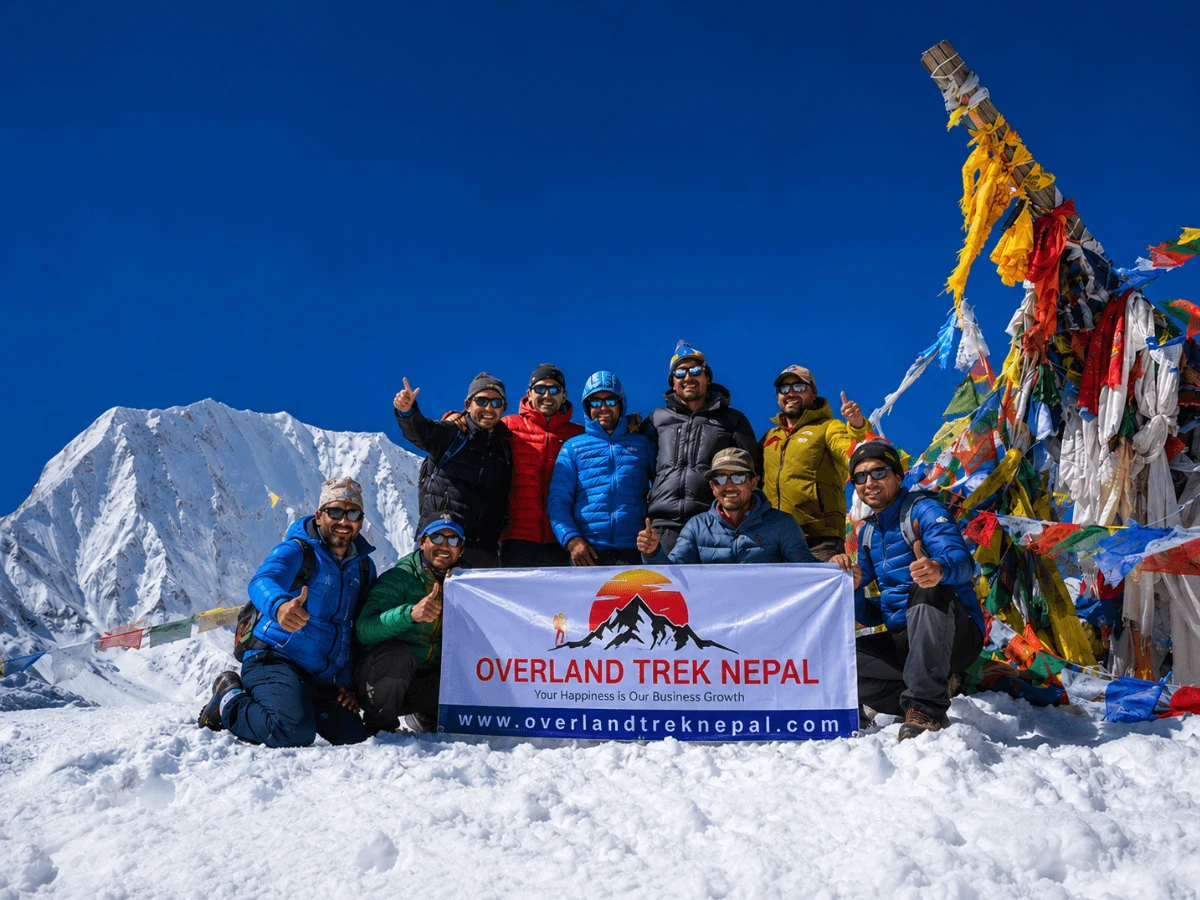
Itinerary

Trekking hours, distances, and accommodation are approximate and may vary due to weather, trail conditions, and group pace. The Manaslu Circuit Trek with Serang Gompa itinerary can be customized according to your preferences and local conditions.

Tour PlanExpand all

The journey begins with a private jeep drive to Machhe Khola. Our guide with a jeep will pick you up from your hotel in Kathmandu and begin the journey.

Leaving the Kathmandu Valley, the road gradually moves into the hills of central Nepal before continuing toward Gorkha and the approach to the Manaslu region. The later sections can be rough and slow, especially where the road follows steep river valleys.

Machhe Khola is the starting point for the walking section of the trek.

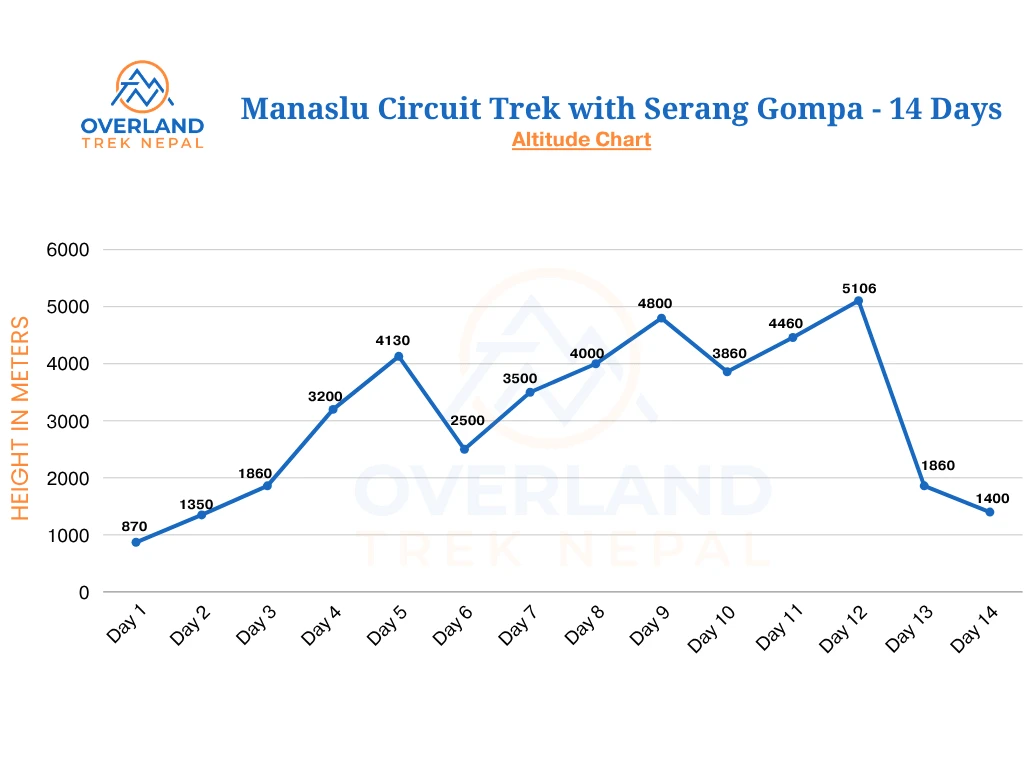
Max Altitude: 870 m. Meals: Lunch & DinnerAccommodation: TeahouseDistance: 7-8hrs

The first trekking day follows the Budhi Gandaki Valley toward Jagat. You walk through changing river scenery, small settlements, suspension bridges, and sections of narrow trail. The day provides a good introduction to the terrain you will follow through the lower Manaslu region.

Jagat is also an important administrative point on the route because it marks the approach to the restricted Manaslu trekking area.

Max Altitude: 1,350 m. Meals: Breakfast, Lunch & DinnerAccommodation: TeahouseDistance: 6-7 hrs

From Jagat, the route continues deeper into the Manaslu region.

The landscape becomes increasingly dramatic as the trail moves through river gorges, forest, bridges, and traditional villages. Cultural influences also begin to change as you move toward the upper valley.

Deng is important on this itinerary because the following day begins the transition away from the normal direct route and toward the Serang Gompa side trip on the Manaslu Circuit.

Max Altitude: 1,860 m. Meals: Breakfast, Lunch & DinnerAccommodation: TeahouseDistance: 6-7 hrs

Today is where this itinerary begins to separate itself from the classic Manaslu Circuit.

Instead of treating the Deng area only as another stop on the way toward Namrung, you move toward Kwak Village and the route leading to Serang Gompa.

The surroundings become quieter and more isolated as you move away from the usual trekking flow.

Because the itinerary lists a significant altitude increase today, walking at a controlled pace and communicating openly with your guide about headaches, nausea, unusual fatigue or other altitude-related symptoms is important.

Max Altitude: 3,200 m. Meals: Breakfast, Lunch & DinnerAccommodation: TeahouseDistance: 4-5 hrs

This is the defining cultural day of the trek. From Kwak, you continue toward Serang Gompa through remote Himalayan terrain. The trail may feel much quieter than the standard Manaslu Circuit because Serang is not part of most regular itineraries.

On arrival, the focus shifts from simply covering distance to experiencing the monastery environment.

Accommodation should be expected to be basic. Depending on current monastery arrangements, trekkers may stay in simple monastery guest accommodation or another locally arranged sleeping area.

Bring a warm sleeping bag, personal toiletries, a headlamp and enough battery capacity for your essential devices. Do not expect the comfort or menu variety available in larger Manaslu villages.

Max Altitude: 4,130 m. Meals: Breakfast, Lunch & DinnerAccommodation: TeahouseDistance: 5-6hrs

After the monastery experience, you descend toward Ghap and reconnect with the main Manaslu Circuit.

The change is noticeable.

After two days on the Serang route, you return to a better-established trekking corridor with more regular teahouse infrastructure.

Descending to Ghap also reduces your sleeping altitude before the next stages of the trek.

Take time in the morning to leave Serang respectfully. Photography inside religious spaces should never be assumed to be acceptable. Ask your guide or the monastery community before photographing people, prayer ceremonies or interiors.

Max Altitude: 2,500m. Meals: Breakfast, Lunch & DinnerAccommodation: TeahouseDistance: 4-5 hrs

The journey now moves into the higher Manaslu landscape.

As you gain elevation, forests gradually open and major Himalayan peaks become more prominent. The Tibetan Buddhist character of the upper Nubri Valley is visible in village architecture, chortens, mani walls and religious sites.

Shyala has one of the most dramatic mountain settings on this itinerary and provides an excellent transition between the lower valley and the high-altitude section around Samagaun.

Max Altitude: 3,500 m. Meals: Breakfast, Lunch & DinnerAccommodation: TeahouseDistance: 5-6hrs

Rather than taking only the shortest trail toward Samagaun, the itinerary includes the Pungen area.

This section adds another scenic and cultural dimension to the trip, with close mountain surroundings and views toward the Manaslu massif when conditions are clear.

After exploring the Pungen route, you continue to Samagaun, one of the most important villages on the upper Manaslu Circuit.

Samagaun becomes your base for the following day’s acclimatisation and optional Manaslu Base Camp hike.

Max Altitude: 4,000m. Meals: Breakfast, Lunch & DinnerAccommodation: TeahouseDistance: 5-6 hrs

Today is intentionally different from the previous trekking days.

You stay in Samagaun for a second night but can hike toward Manaslu Base Camp, reaching approximately 4,800 meters depending on conditions, timing and your physical condition.

The principle is useful for acclimatisation: hike higher during the day and return to a lower elevation to sleep.

The hike is optional. If you are tired, experiencing altitude symptoms, or the weather is poor, your guide may recommend a shorter acclimatisation walk instead.

This is not a rest day in the sense of doing nothing. It is a day designed to prepare your body for the higher route toward Samdo, Dharamsala and Larkya La.

Max Altitude: 4,800m. Meals: Breakfast, Lunch & DinnerAccommodation: TeahouseDistance: 6-7 hrs

The trail from Samagaun to Samdo moves through a colder and increasingly open Himalayan landscape.

Vegetation becomes thinner as you approach Samdo, and the sense of being in a high mountain environment becomes much stronger.

The walking distance is generally more manageable than on several earlier days, which is helpful as your body continues adjusting to altitude.

Samdo is the final major settlement before the approach to Dharamsala and Larkya La.

Max Altitude: 3,860 m. Meals: Breakfast, Lunch & DinnerAccommodation: TeahouseDistance: 6-7hrs

Today’s goal is Dharamsala, also called Larkya Phedi in many itineraries.

The terrain becomes increasingly barren and exposed as you approach the base of Larkya La.

Accommodation here is among the most basic on the entire trek. Rooms can be simple, dining facilities limited, and temperatures much colder than in lower villages.

You should organise your clothing, headlamp, water, gloves and trekking equipment before sleeping because the next day’s crossing normally requires an early start.

Max Altitude: 4,460 m. Meals: Breakfast, Lunch & DinnerAccommodation: TeahouseDistance: 6-7hrs

This is the hardest and most important trekking day of the journey. You start early from Dharamsala and climb toward Larkya La Pass at 5,106 meters.

The route can involve snow, ice, strong winds, and very cold temperatures depending on the month and recent weather. Conditions vary each season, so your guide’s judgment is more important than a fixed schedule.

Reaching Larkya La is a major achievement, but the day is not finished at the pass.

You still have a long descent toward Bhimthang. Trekking poles are especially useful because extended downhill sections can place significant pressure on knees and legs.

Max Altitude: 3,700 m. Meals: Breakfast, Lunch & DinnerAccommodation: TeahouseDistance: 8-10 hrs

After the high pass, the trail begins a major descent. The environment changes quickly as you leave the high alpine landscape around Bhimthang and return toward forests, river valleys and lower elevations.

This is your final full trekking day.

By the time you reach Dharapani, you have completed the central experience of the Manaslu Circuit: the Budhi Gandaki approach, Serang Gompa detour, upper Nubri Valley, Samagaun, Samdo and the crossing of Larkya La.

Max Altitude: 1,860 m. Meals: Breakfast, Lunch & DinnerAccommodation: TeahouseDistance: 6-7hrs

After breakfast, you leave Dharapani by shared jeep and travel toward Besisahar.

From Besisahar, the journey continues to Kathmandu by Public bus.

Road conditions and travel time can change because of construction, weather, traffic and landslides. It is wise to keep your international departure separate from this day rather than booking a flight immediately after the drive.

Max Altitude: 1,400m. Meals: Breakfast, Lunch & DinnerAccommodation: TeahouseDistance: 8-9 hrs
Cost Details
Required Permits & Documents
  • Your Original Passport
  • Your 2-piece PP-size photo
  • Manaslu Restricted Area permits
  • Manaslu Conservation Area entry permits (MCAP)
  • Annapurna Conservation Area entry permits (ACAP)
Meals & Snacks
  • Three meals a day (Breakfast, Lunch, Dinner)
  • Fresh seasonal fruit as dessert after Dinner
  • Farewell dinner in Kathmandu at the end of the trek.
Accommodation
  • Tea house/ Local Guest House Twin Sharing basis during the trek
Staffs & Crew Member
  • Government-licensed holder, very good English speaker, Overland Trek Nepal experienced trekking Guide
  • All expenses ( Accommodation, Food, Salary, Transport, Insurance, medicine) of All Staff & Crew members
Transportation
  • Kathmandu to Machhekhola by local bus
  • Dharapani to Beshisahar by Sharing Jeep
  • Beshisahar to Kathmandu by local bus.
Others
  • Trekking Map
  • All government and local taxes
  • Company Duffel bag, T-shirt, & Cap.
  • Some Normal & emergency First aid Medical Kit
  • Overland Trek Nepal trekking appreciation certificate after the successful trek
  • Rescue operation arrangements in case of complicated health conditions (funded by travel insurance).
Excludes
  • Personal Equipment
  • Nepal entry visa fee, International airfare
  • Tips for guide and porter (Tipping is expected)
  • Lunch and dinner during your stay in Kathmandu
  • Travel medical insurance and emergency evacuation cost
  • Any other expenses that are not mentioned in the price include the section
  • If needed, Porter per day: 20 USD ( 1 Porter for 2 Trekkers, and he will carry a total of 20kg)
  • Personal expenses such as Alcoholic beverages, hot shower, water bottle, cold drinks, hot water, battery charge, donation, etc
Complimentary
  • Trekking Pole/ Stick
  • Overland Trek Nepal company T-Shirt & Cap
  • One Portable Oxygen Cylinder (for emergencies)
  • Nepali SIM Card, but you have to pay for the data
  • 1-hour full-body Trekker's massage after returning from the trek
Add-ons & Options

Enhance your trekking experience with the following optional add-ons:

  • Private Porter Service: USD 280 per person for 14 days.
  • Private Jeep – Kathmandu to Machha Khola: USD 250 per vehicle.
  • Private Jeep – Dharapani to Kathmandu: USD 400 per vehicle.
  • Private Car – Besisahar to Kathmandu: USD 150 per vehicle.
  • 3-Star Hotel in Kathmandu with Breakfast:
    • Single Room: USD 35 per night
    • Double Room: USD 45 per night

All add-ons are optional and can be arranged according to your preference. Private vehicle prices are per vehicle, not per person.

Dates & Availability
Select the date
Aug 2026
Sep 2026
Oct 2026
Nov 2026
Dec 2026
Jan 2027
Mar 2027
Apr 2027
May 2027
Jun 2027
Aug 2027
Sep 2027
Oct 2027
Nov 2027
Dec 2027
Jan 2028
Mar 2028
Apr 2028
May 2028
Jun 2028
Jul 2028
Day & Departure Dates
Status
Price
Day & Departure Date
Sunday - Saturday30 Aug, 2026 - 12 Sep, 2026
Trip Status
Guaranteed
Price
US$1199

After completing the 14-Day Manaslu Circuit Trek with Serang Gompa, you will be transferred back to Kathmandu for your onward journey. Our team will assist you with the departure arrangements and ensure a smooth and comfortable end to your Himalayan adventure.

Essential Information

How Difficult Is the Serang Gompa Trek?

The Serang Gompa Trek difficulty is best described as challenging.

The difficulty comes from the combination of long walking days, steep climbs and descents, remote trail conditions, simple accommodation, altitude, and the 5,106-meter crossing of Larkya La.

You do not need technical mountaineering skills under normal trekking conditions, but this is not a beginner’s sightseeing walk.

What Makes the Trek Difficult?

High Altitude

The trek reaches 5,106 meters at Larkya La and includes several nights above 3,500 meters.

At these elevations, oxygen availability is lower than at sea level, and your body needs time to adjust.

Long Trekking Days

Most days involve several hours of walking. The Larkya La crossing is normally the longest and most physically demanding day.

Serang Gompa Detour

The side route through Kwak and Serang adds extra climbing and more remote trail conditions compared with simply remaining on the standard circuit.

Cold Weather

Temperatures can fall well below freezing at night around Samdo, Dharamsala, and Larkya La during colder months.

Basic Accommodation

Remote trekking is physically easier when you sleep and eat well.

At Serang Gompa and Dharamsala, facilities can be much simpler than those found in lower villages. Comfort should not be the main reason for choosing this trek.

How Fit Should You Be?

You should be comfortable hiking uphill and downhill for several hours on consecutive days.

A useful preparation program includes:

  • Regular hiking
  • Stair climbing
  • Cardiovascular training
  • Leg and core strength
  • Walking with a light backpack
  • Consecutive training days
  • Practice on uneven trails

Start training several weeks before departure rather than trying to build fitness during the trek.

Altitude and Acclimatization

Altitude deserves serious attention on any Manaslu itinerary.

The highest point is Larkya La at 5,106 meters, but altitude management begins much earlier.

The CDC’s high-altitude guidance recommends gradual ascent and notes that, above 3,000 meters, conservative itineraries generally limit increases in sleeping altitude and include additional acclimatization time. Individual response varies greatly.

Your itinerary includes a dedicated day in Samagaun before moving higher toward Samdo and Dharamsala.

Altitude Rules on the Trek

  • Walk slowly, especially after 3,000 meters.
  • Drink regularly.
  • Eat even when your appetite falls.
  • Tell your guide immediately about persistent headache, nausea, dizziness, confusion or unusual weakness.
  • Never hide symptoms because you are worried about delaying the group.
  • Do not continue ascending if your guide believes your symptoms are unsafe.
  • Understand that descent may become necessary.

Physical fitness does not guarantee protection from altitude illness. Even strong runners and experienced hikers can develop symptoms.

Best Time for the Serang Gompa Trek

The best time for the Serang Gompa Trek is generally spring and autumn.

For most trekkers, the strongest periods are:

  • March to May
  • September to November

These seasons normally provide the best balance of trail conditions, visibility, and temperature.

Spring: March to May

Spring is one of the best choices for the Manaslu Circuit Trek with Serang Gompa.

The lower and middle sections become greener as the season progresses. Rhododendron and other Himalayan vegetation can add colour to forest sections.

April is especially popular because temperatures are usually more manageable than in winter, while the high pass can still retain snow.

May becomes warmer and can bring more afternoon cloud as the monsoon approaches.

Autumn: September to November

Autumn is the other main trekking season.

After the summer monsoon, the atmosphere is often clearer, and the mountains can be exceptionally sharp.

October is usually the busiest trekking month in the Manaslu region, while November tends to become progressively colder.

Can You Trek in Winter?

Winter trekking is possible for experienced and well-equipped groups when conditions allow.

However, heavy snowfall can affect Larkya La, and temperatures around Dharamsala, Samdo, and Bhimthang can become severe.

Some teahouses may also operate with reduced services.

Choose winter only if you understand the additional weather risk and have flexibility in your itinerary.

What About the Monsoon?

June through August brings heavy rain to lower sections of the route.

Possible problems include:

  • Muddy trails
  • Leeches at lower elevations
  • Landslides
  • Road disruption
  • Cloud limiting mountain views
  • Difficult side-trail conditions

The Serang detour also involves a quieter trail where rain can make steep or narrow sections more difficult.

Permits for the Manaslu Circuit Trek with Serang Gompa

The Serang Gompa Trek permits are essentially the permits required for the Manaslu Circuit, because the journey takes place within and exits through protected and restricted trekking areas.

For this itinerary, trekkers normally need:

  1. Manaslu Restricted Area Permit
  2. Manaslu Conservation Area Permit (MCAP)
  3. Annapurna Conservation Area Permit (ACAP) for the Dharapani exit side

The National Trust for Nature Conservation currently lists the conservation-area entry fee at NPR 3,000 for foreign nationals and NPR 1,000 for SAARC nationals, including tax.

Current Manaslu Restricted Area Permit Fee

As of August 2026, Nepal’s Department of Immigration lists the Manaslu restricted-area fee as:

  • September to November: USD 100 per person for the first week, then USD 15 per day
  • December to August: USD 75 per person for the first week, then USD 10 per day

The Department lists the covered Manaslu restricted area as wards 1–4 of Chumnubri Rural Municipality.

Permit regulations can change, so current fees should always be reconfirmed when the trek is booked.

Can a Solo Traveller Book the Manaslu Serang Gompa Trek?

Yes, the permit rule changed in 2026.

Nepal removed the previous requirement that restricted-area permits had to include at least two foreign trekkers. A solo traveller can now obtain the restricted permit through a registered trekking agency.

However, this does not mean independent trekking is allowed.

A licensed trekking guide is still required for restricted-area travel, and the trip must be arranged through a registered agency.

Can you trek to Serang Gompa without a guide?

No. The Serang route is part of the restricted Manaslu trekking region. Foreign trekkers must use the required permit process and travel with a licensed guide through a registered trekking agency. Solo booking is now possible, but solo independent walking is not.

Serang Gompa Monastery Stay: What Should You Expect?

The Serang Gompa monastery stay is one of the main reasons to choose this itinerary. It is also important to approach it with the right expectations. This is not a luxury lodge experience.

Accommodation around the monastery can be simple and may involve shared spaces, basic bedding, and limited bathroom facilities. Services depend on local arrangements, season, monastery activity, and current availability.

What to Bring for the Monastery Stay

Carry:

  • A warm sleeping bag
  • Headlamp
  • Power bank
  • Warm base layers
  • Down or insulated jacket
  • Personal toiletries
  • Toilet paper
  • Hand sanitizer
  • Small trekking towel
  • Snacks
  • Reusable water bottle

Monastery Etiquette

Serang Gompa should be treated first as a religious institution and only second as a trekking destination.

Follow these basic rules:

  • Ask before taking photographs inside.
  • Never photograph monks or nuns without permission.
  • Keep your voice low around prayer areas.
  • Follow your guide’s instructions.
  • Do not touch religious objects.
  • Walk around chortens and mani structures in the locally appropriate direction.
  • Remove shoes where requested.
  • Dress respectfully.
  • Do not interrupt ceremonies for photos.
  • Accept that some areas may be closed to visitors.

The quality of the experience depends partly on how respectfully trekkers behave.

Food and Drinking Water During the Trek

Most nights on the main Manaslu Circuit use local teahouses.

Typical meals may include:

  • Dal bhat
  • Noodles
  • Fried rice
  • Momos
  • Soups
  • Potatoes
  • Tibetan bread
  • Eggs
  • Porridge
  • Pancakes
  • Tea and hot drinks

Food choices usually become more limited as elevation increases because nearly everything must be carried into remote villages.

At Serang Gompa, expect a simpler selection than at established teahouses.

Drinking Water

Avoid relying on disposable plastic bottles throughout the trek.

A better approach is to refill your bottle and use a reliable purification method recommended by your guide.

Options can include:

  • Water purification tablets
  • Filter systems
  • Boiled water purchased at lodges

Staying hydrated becomes especially important as you move above 3,000 meters.

Accommodation on the Manaslu Circuit with Serang Gompa

Most accommodation is in teahouses.

Rooms are usually simple twin-share rooms with beds, mattresses, blankets and shared bathroom facilities.

Lower villages tend to offer more amenities. Higher villages become progressively more basic.

Lower Trail

Machhe Khola, Jagat and similar lower settlements generally provide basic trekking lodges with wider food menus and more charging or shower options.

Upper Manaslu

Around Samagaun and Samdo, accommodation remains comfortable enough for trekking but services become more limited.

Expect colder rooms and higher prices for charging, hot water and Wi-Fi where available.

Dharamsala

Dharamsala is one of the most basic overnight stops.

The purpose of the lodge is practical: it places you close enough to Larkya La for the early morning crossing.

Do not expect high comfort.

Serang Gompa

Serang is different because the experience is centered around the monastery.

Sleeping arrangements should be confirmed before the trek. Your agency should contact local partners and check the latest availability rather than assuming monastery rooms will always be open.

What Makes Serang Gompa Special?

Serang Gompa is associated with the Bihi area of upper Gorkha and lies away from the standard Manaslu Circuit trail.

Historical research on tourism in Manaslu identified Serang Gompa among the important monasteries connected with the Bihi area and described it as one of the major religious sites there.

For trekkers, however, its importance is not only historical.

Its location changes the experience.

You have to make an intentional detour to reach it. That makes the journey feel different from visiting a monastery located directly beside the main trekking trail.

The route provides time for:

  • Quiet mountain walking
  • Tibetan Buddhist cultural encounters
  • Monastery architecture
  • Prayer flags, mani stones and chortens
  • Local interaction
  • A slower cultural experience
  • Time away from the main trekking corridor

The monastery should not be presented as a museum frozen in the past. It remains part of a living Buddhist landscape, and respectful behaviour matters.

Who Should Choose the Manaslu Circuit Trek with Serang Gompa?

This trek is particularly good for travellers who say:

“I want the Manaslu Circuit, but I do not want the most standard itinerary.”

Choose this trip if you:

  • Enjoy remote mountain trails
  • Are interested in Tibetan Buddhist culture
  • Want a monastery experience
  • Prefer quieter side routes
  • Can handle basic accommodation
  • Have previous hiking experience
  • Are comfortable trekking for multiple days
  • Want to cross Larkya La
  • Have approximately two weeks for the trekking route
  • Value cultural experiences as much as mountain scenery

Packing List for the Serang Gompa Manaslu Trek

Packing correctly matters because this itinerary combines warm lower valleys, cold high-altitude nights, monastery accommodation and a 5,106-meter pass.

Clothing

  • Moisture-wicking base layers
  • Trekking shirts
  • Trekking pants
  • Warm fleece
  • Insulated down jacket
  • Waterproof shell jacket
  • Waterproof pants
  • Warm hat
  • Sun hat
  • Buff or neck gaiter
  • Lightweight gloves
  • Insulated gloves
  • Trekking socks
  • Comfortable underwear

Footwear

  • Broken-in trekking boots
  • Lightweight lodge shoes or sandals
  • Gaiters if trekking in snowy conditions

Trekking Equipment

  • 30–40 liter daypack
  • Duffel bag if using a porter
  • Trekking poles
  • Headlamp
  • Spare batteries
  • Sunglasses with strong UV protection
  • Water bottles
  • Water purification system
  • Sleeping bag suitable for sub-zero temperatures
  • Dry bags or waterproof liners

Personal Items

  • Sunscreen
  • Lip balm with SPF
  • Toothbrush and toothpaste
  • Quick-dry towel
  • Hand sanitizer
  • Toilet paper
  • Wet wipes
  • Personal medications
  • First-aid essentials
  • Power bank
  • Charging cables

Documents

  • Passport
  • Nepal visa details
  • Travel insurance information
  • Permit copies where provided
  • Emergency contact information
  • Cash in Nepalese rupees

Useful Extras for Serang Gompa

  • Small power bank
  • Extra warm layer
  • Earplugs
  • Compact notebook
  • Extra snacks
  • Lightweight reusable bag
  • Small amount of cash for local purchases or voluntary donations

Do not overpack. A lighter bag makes steep trekking days far more comfortable.

Book Manaslu Circuit with Sarang Gompa Trek today

Booking the Manaslu Circuit Trek with Sarang Gompa online with Overland Trek Nepal is very easy. The trip can be booked directly from our website by choosing the departure date you want. Other than that, our travel planner can assist you in making a customised itinerary through email or WhatsApp at +9779841920870.
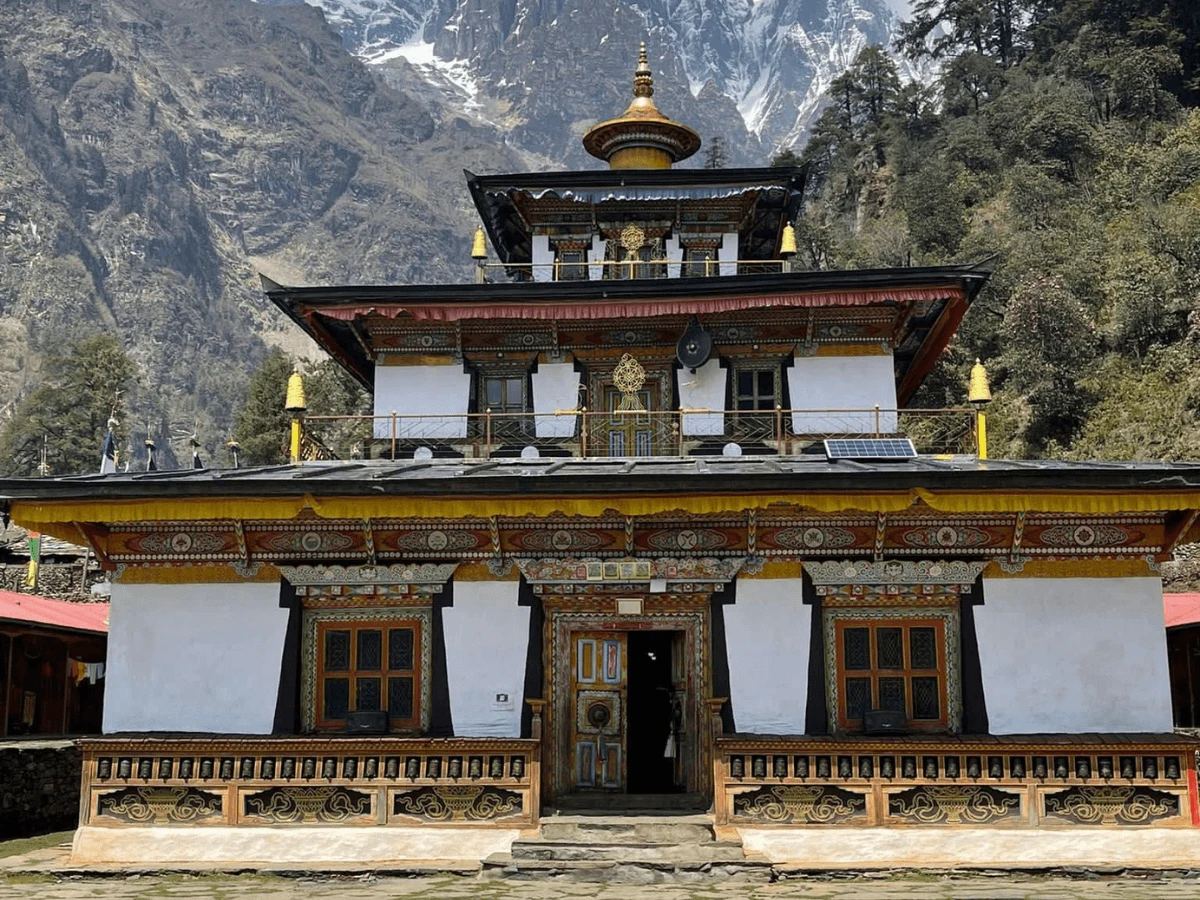
Choose this trek if you value remote trails, Buddhist culture, monastery experiences, and high-altitude adventure in one journey.

FAQs

The Manaslu Circuit Trek with Serang Gompa combines the standard Manaslu Circuit with a remote monastery detour. Trekkers leave the regular route around the Deng/Bihi area, walk through Kwak to Serang Gompa, return to Ghap, and continue toward Samagaun and Larkya La.

No. Serang Gompa requires a side trip away from the regular circuit. Most standard Manaslu itineraries continue toward Namrung without spending time at Serang. This itinerary specifically adds Kwak Village, Serang Gompa and a monastery experience before reconnecting with the main trail at Ghap.

An overnight monastery experience can be arranged, but facilities are simple and availability should be confirmed before departure. Expect basic sleeping arrangements rather than a normal commercial hotel. Your trekking agency and guide should coordinate with local contacts because monastery schedules and guest accommodation can change.

The trek is challenging because it combines the Serang side trail with the full Manaslu Circuit and a 5,106-meter crossing of Larkya La. Trekkers should be physically fit, comfortable hiking for several consecutive days and prepared for cold weather, high altitude and basic accommodation.

Foreign trekkers generally need the Manaslu Restricted Area Permit, Manaslu Conservation Area Permit and Annapurna Conservation Area Permit for this route. Permit rules and fees can change, so your registered trekking agency should confirm the current requirements before processing your trip.

Yes. Since Nepal changed its restricted-area policy in March 2026, an individual foreign trekker can obtain a restricted-area permit through a registered trekking agency. However, independent trekking is still not allowed in Manaslu. You must travel with the required licensed guide.

Spring from March to May and autumn from September to November are generally the best seasons. These periods normally provide the strongest combination of stable trekking conditions, mountain visibility and manageable temperatures. Winter is colder, while the summer monsoon can create muddy trails, landslides and road delays.

Larkya La reaches approximately 5,106 meters, making it the highest point of this itinerary. Trekkers normally cross from Dharamsala and descend to Bhimthang on the same day. The crossing can be long, cold and physically demanding, especially when snow or strong winds affect the route.

The Manaslu Circuir With Serang Gompa Cost around USD 1299 per person. The cost depends on group size, trekking season, porter service, transportation, meals, permits and the level of service included.

Yes, if cultural experience is one of your reasons for visiting Manaslu. The detour adds quieter trails, Kwak Village and time at a remote Buddhist monastery while still allowing you to complete the main circuit and cross Larkya La. It creates a more varied trip than the standard route.

For further information
Please feel free to speak with our travel expert.
Gautam Dhakal
Mr. Gautam Dhakal
[email protected]
You May Also Like
Need Help? Call Us.+977 9851138871