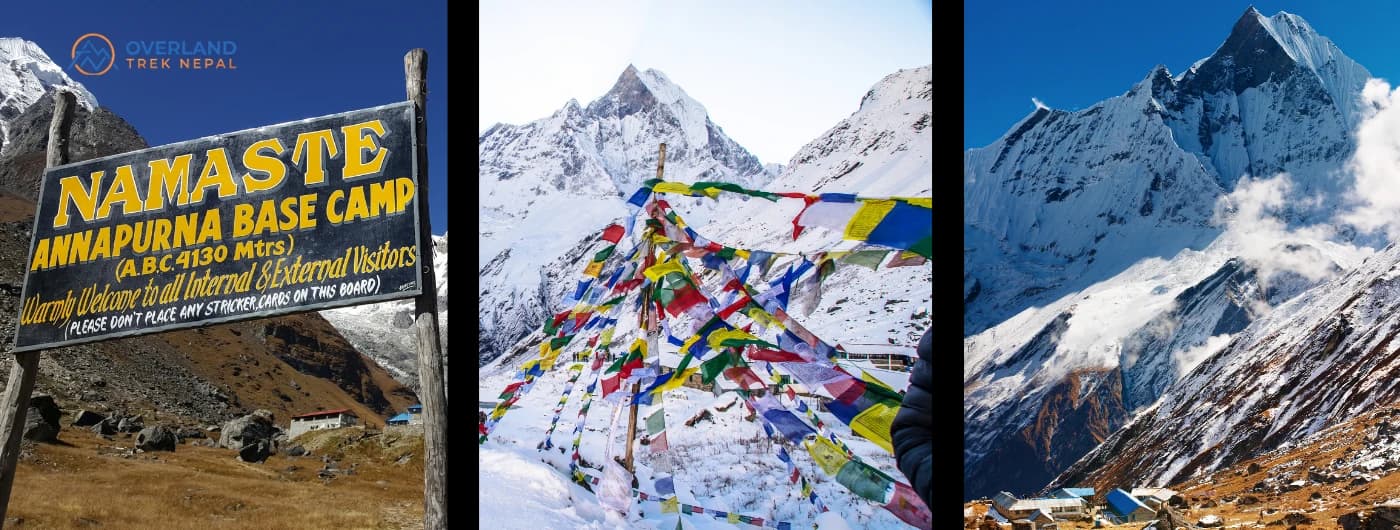

The best time for the Annapurna Base Camp Trek is October–November for the clearest mountain views, or March–April for rhododendron blooms and vibrant landscapes. Both seasons offer stable weather, safe trail conditions, and unforgettable Himalayan scenery. The ABC Trek is open year-round, but timing directly affects your visibility, safety, crowd levels, and overall experience at 4,130m.
Planning the best time for the Annapurna Base Camp Trek is one of the most important decisions you'll make before booking.
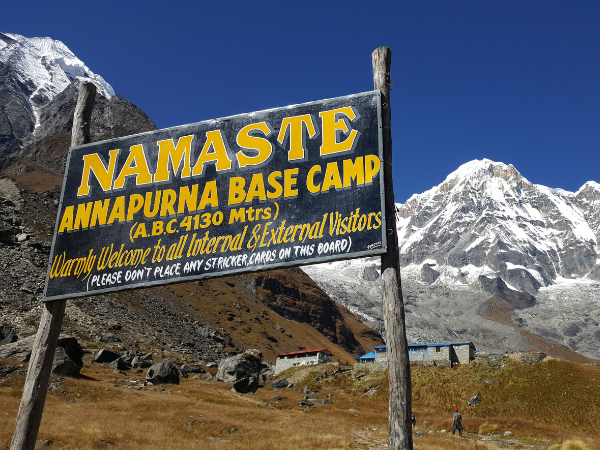
Quick Season Overview
|
Season |
Months |
Weather |
Temperature at ABC |
Crowds |
Verdict |
|
Spring |
Mar–May |
Clear, mild |
0°C to 10°C |
High |
⭐ Best for scenery |
|
Autumn |
Sep–Nov |
Crystal clear |
-5°C to 8°C |
Very High |
⭐ Best overall |
|
Winter |
Dec–Feb |
Cold, dry |
-15°C to 2°C |
Low |
For experienced trekkers |
|
Monsoon |
Jun–Aug |
Rainy, humid |
5°C to 15°C |
Very Low |
Not recommended |
Spring (March–May) — Best for Rhododendrons and Scenery
Spring is the most visually stunning season on the Annapurna Base Camp trail. As you climb through the forests between Chhomrong and Bamboo, Nepal's national flower, the rhododendron, bursts into red, pink, and white blooms along the entire route. It's one of the most photographed sections of any trek in the Himalayas. Spring (March–May) Best Time for Annapurna Base Camp Trek, if You Love Rhododendrons
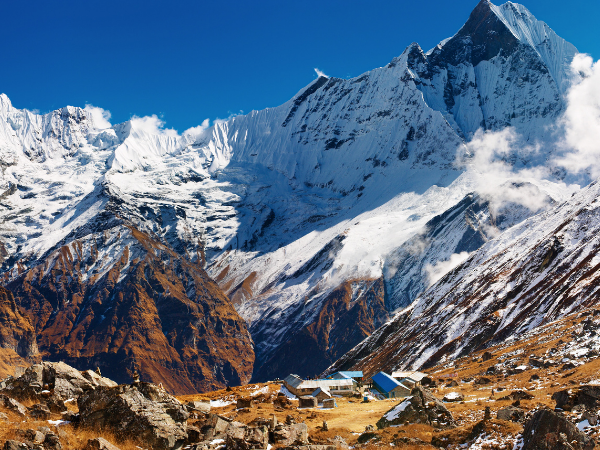
What to expect:
- Daytime temperatures: 16°C–23°C at lower altitudes, 0°C–10°C at Annapurna Base Camp
- Nights at ABC drop to -8°C in March, warming slightly by May
- Clear skies in the morning with some afternoon cloud buildup from April onwards
- Rhododendrons peak in April, the single best month for spring trekking
- The trail is busy but well-maintained
- Teahouses are fully operational with no advance booking issues in March; book ahead for April
Best month in spring: April. April delivers the perfect combination: rhododendrons at peak bloom, clear morning skies, manageable temperatures, and all mountain views fully visible. It is the most popular single month in the spring season.
Who should trek in spring:
- First-time trekkers who want maximum scenery
- Photographers and nature lovers
- Anyone wanting warmer conditions on the trail
Autumn (September–November) — Best Overall Season
Autumn is widely considered the best time for the Annapurna Base Camp Trek. After the monsoon clears in late September, the atmosphere becomes exceptionally clean, delivering the sharpest mountain views of the year. Annapurna I (8,091m), Machhapuchhre (Fishtail), Gangapurna, and Hiunchuli stand out against a deep blue sky with zero haze.
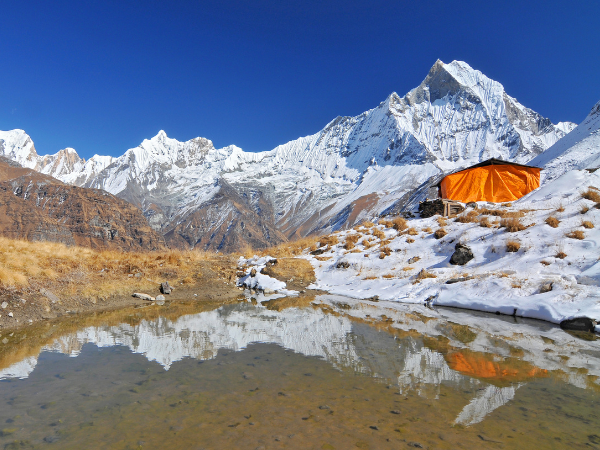
What to expect:
- Daytime temperatures: 10°C–20°C at lower altitudes, -5°C to 8°C at ABC
- Dry trails, no mud, no leeches, firm ground throughout
- Visibility at ABC is exceptional, with some of the clearest mountain panoramas in Nepal
- October is the busiest month of the year; book guides, porters, and teahouses in advance
- Nepal's biggest festivals, Dashain and Tihar, fall in October, adding cultural depth
- November offers slightly fewer crowds with colder but still stable conditions
Best month in autumn: October is the single best month for the Annapurna Base Camp Trek. Stable weather, dry trails, crystal-clear mountain views, and a festive atmosphere across Nepal make it the top choice for most trekkers, especially first-timers.
Who should trek in autumn:
- Anyone wanting the best mountain views
- First-time trekkers wanting perfect conditions
- Groups and families — the busiest, most social season on the trail
Winter (December–February) — For the Adventurous Few
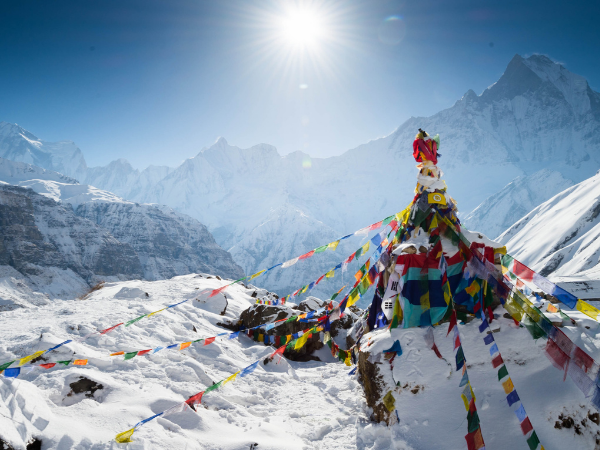
Winter trekking to Annapurna Base Camp is possible, but it comes with real challenges. Temperatures at ABC drop to -15°C at night, and snowfall above Deurali and Machhapuchhre Base Camp can make sections of the trail icy. However, for experienced trekkers who come well-prepared, winter delivers stunning snow-covered landscapes and near-empty trails.
What to expect:
- Temperatures at ABC: -15°C at night, 0°C–5°C during the day
- Snowfall likely above 3,000m, microspikes and warm layers essential
- Very few trekkers, peaceful, quiet trail experience
- All teahouses remain open, but some have reduced menus
- Clear skies between snowfall, dramatic views of snow-laden peaks
- January is the coldest month; December and February are more manageable
Who should trek in winter:
- Experienced trekkers with high-altitude cold-weather experience
- Those seeking solitude and empty trails
- Trekkers on a tight budget, the lowest prices of the year
Avoid if: This is your first high-altitude trek, or you are not equipped with proper winter gear, including a down jacket rated to -20°C, an insulated sleeping bag, and waterproof boots.
Monsoon (June–August) — Generally Not Recommended
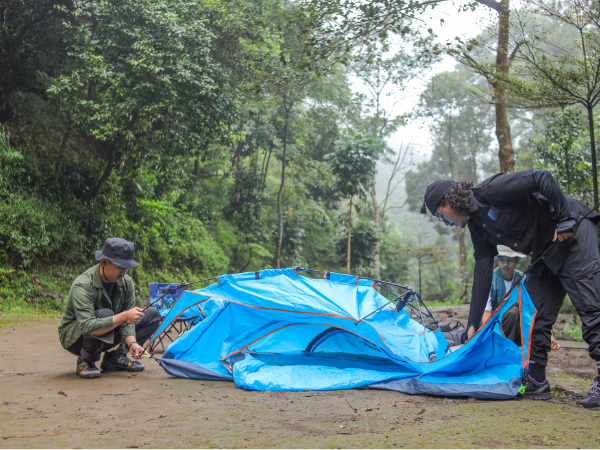
The monsoon season brings heavy daily rainfall to the Annapurna region. Trails become slippery and muddy, leeches are abundant below 2,000m, cloud cover blocks mountain views for most of the day, and landslide risk increases in several sections of the route. Most experienced trekkers avoid this season entirely.
What to expect:
- Heavy rain daily, typically from the afternoon onwards
- Leeches on lower trail sections below Chhomrong
- Mountain views frequently blocked by clouds, you may reach ABC and see nothing
- Landslide risk on sections between Deurali and MBC
- Lush, green landscapes, the trail is visually beautiful despite the rain
- Very few trekkers, the most peaceful season if you are prepared
Who might consider monsoon trekking:
- Experienced trekkers seeking absolute solitude
- Those with no other travel window
- Nature lovers drawn to waterfalls and dense green forests
Our honest advice: If you can choose your dates, avoid June, July, and August. The mountain views, the main reason to do this trek, will likely be obscured for much of your journey.
Month-by-Month Guide
January: Cold, clear between snowfalls. -15°C at ABC at night. Quiet trails. Good for experienced winter trekkers only.
February: Slightly warmer than January. Pre-spring begins. Some rhododendrons start budding at lower elevations. Still cold at altitude.
March: Spring begins. Rhododendrons emerge. Clear skies. Morning frost at Deurali and MBC. Temperatures at ABC: -5°C to 5°C. Good time to trek with fewer crowds than in April.
April: Peak spring month. Rhododendrons in full bloom between Chhomrong and Bamboo. Clear mornings, mild afternoons. Busiest spring month. Best overall spring conditions.
May: Late spring. Still good conditions in early May. Pre-monsoon showers are possible from mid-May. Temperatures warming. Slightly fewer crowds than April.
June: Monsoon begins. Heavy rain, leeches, slippery trails. Mountain views are largely blocked. Not recommended.
July: Peak monsoon. Heaviest rainfall. Highest landslide risk. Avoid.
August: Still monsoon. Conditions similar to July but slightly improving by late August. Avoid if possible.
September: Transition month. Monsoon clears by late September. Early September is still rainy. The last week of September marks the start of the autumn season. Good conditions from September 25 onwards.
October: The best single month of the year. Crystal clear skies, dry trails, perfect temperatures, festive atmosphere. Book everything in advance, as it is the highest demand of the year.
November: Excellent conditions, especially early November. Slightly fewer crowds than in October. Temperatures are dropping; bring an extra warm layer. One of the best months overall.
December: Winter begins. Clear but cold. Snow possible above 3,000m. Fewer trekkers. Good for experienced trekkers who want quiet trails before the deep winter cold sets in.
Spring vs Autumn — Which is Better?
This is the most common question we get from trekkers planning their ABC trek. Here is the direct answer:
Choose autumn (October–November) if:
- You want the clearest, sharpest mountain views
- This is your first high-altitude trek
- You want the best photography conditions
- You want dry, firm trails with zero mud
Choose spring (March–April) if:
- You want to see rhododendrons in bloom
- You prefer a slightly warmer experience on the trail
- You are interested in wildlife and birdwatching
- You want a vibrant, colourful trail experience
The honest verdict: October is the single best month of the year for the Annapurna Base Camp Trek. April is the best spring month. Both are excellent choices; you cannot make a wrong decision between these two.
What to Pack Based on Season
Spring (March–May): Light moisture-wicking layers, waterproof jacket, down jacket for high altitude nights, sunscreen SPF 50+, sunglasses, trekking poles.
Autumn (September–November): Same as spring, but add a warmer down jacket for November. October is comfortable; November nights at ABC can drop to -10°C.
Winter (December–February): Full winter kit, down jacket rated to -20°C, thermal base layers, insulated gloves, warm hat, microspikes for icy sections, hand warmers.
Monsoon (June–August): Waterproof everything, jacket, trousers, boot covers. Leech socks. Quick-dry clothing. Trekking poles for slippery sections.
Frequently Asked Questions
What is the best month for the Annapurna Base Camp Trek?
October is the single best month. Post-monsoon skies are crystal clear, trails are dry, temperatures are comfortable, and mountain views are at their sharpest. April is the second-best month, offering rhododendron blooms and warm spring conditions.
Is spring or autumn better for the ABC Trek?
Both are excellent. Autumn (October–November) offers the clearest mountain views and driest trails. Spring (March–May) offers rhododendron blooms and warmer temperatures. For first-time trekkers, October is the safer bet.
Can I do the Annapurna Base Camp Trek in winter?
Yes, but only if you are an experienced trekker with proper cold-weather gear. Temperatures at ABC drop to -15°C at night in January. Snowfall above 3,000m is common. Trails are quieter but more challenging.
Is the ABC Trek open during the monsoon?
The trail stays open, but conditions are challenging, with heavy rain, slippery paths, leeches, and cloud cover that often blocks mountain views. We recommend avoiding June–August if you have a choice.
How cold does Annapurna Base Camp get?
At 4,130m, ABC temperatures range from -15°C at night in winter to 5°C–10°C during the day in spring and autumn. Even in peak season, nights above Deurali are cold; always carry a quality down jacket regardless of when you trek.
Ready to Trek?
Whether you are planning a spring adventure through blooming rhododendron forests or an autumn trek under crystal-clear Himalayan skies, the Annapurna Base Camp is one of the most rewarding journeys on Earth.
Book our fully guided 10-day Annapurna Base Camp Trek from US$799, including a licensed guide, porter, all permits, accommodation, and meals.
Overland Trek Nepal operates daily departures year-round. Our guides have led hundreds of ABC treks across all seasons and will help you choose the right time for your fitness level, budget, and preferences.

.webp&w=1200&q=75&dpl=dpl_EUd5Wwb28cTzwN6qQNwTKfhuRohE)