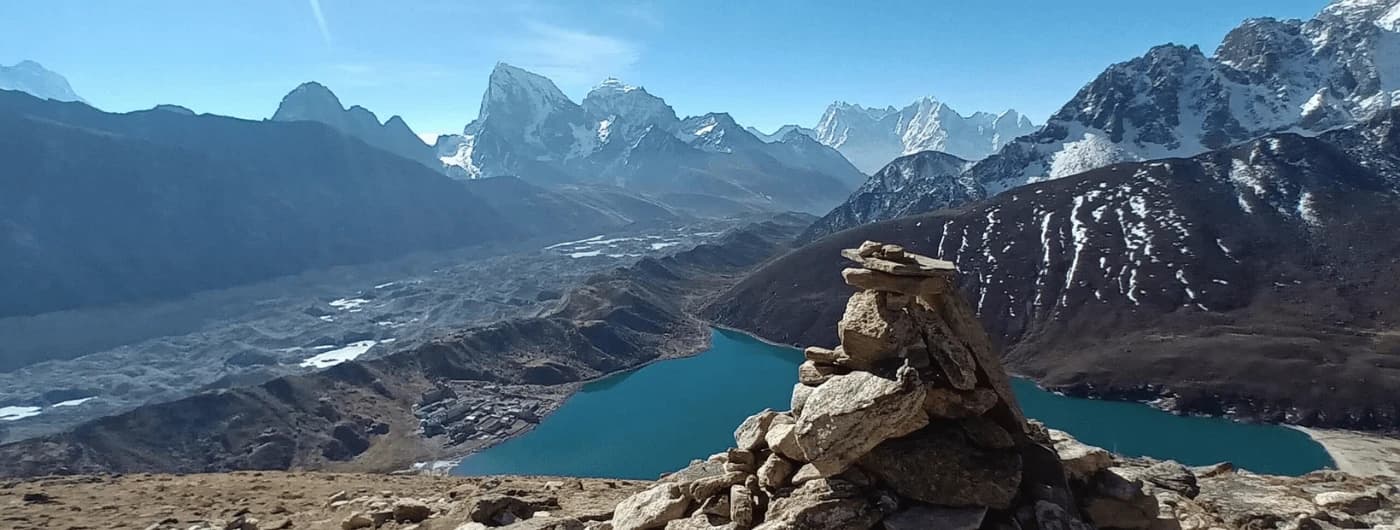

The Gokyo Lakes Trek is one of the most stunning yet underrated trails in the Everest region. While thousands of people trek to Everest Base Camp each year. Fewer of them take the path to Gokyo, and that's exactly what makes it special.
This trek takes you through traditional Sherpa villages, ancient monasteries, and glacial valleys. You'll stand beside turquoise lakes that sit at over 4,700 meters. And from the top of Gokyo Ri, you'll see four of the world's tallest peaks in one sweeping view.
If you want the magic of the Himalayas without the crowds. This trek deserves your attention. This trek takes you through traditional Sherpa villages, ancient monasteries, and glacial valleys. If you are planning for it, then make sure you understand the itinerary.
Why the Gokyo Lakes Trek Is Unique in the Everest Region
Most trekkers head straight for Everest Base Camp. The Gokyo route offers something different. You'll walk along the Ngozumpa Glacier, the longest glacier in Nepal. The six sacred lakes shine in shades of blue and green that don't look real. The trail is quieter, more peaceful, and just as rewarding.
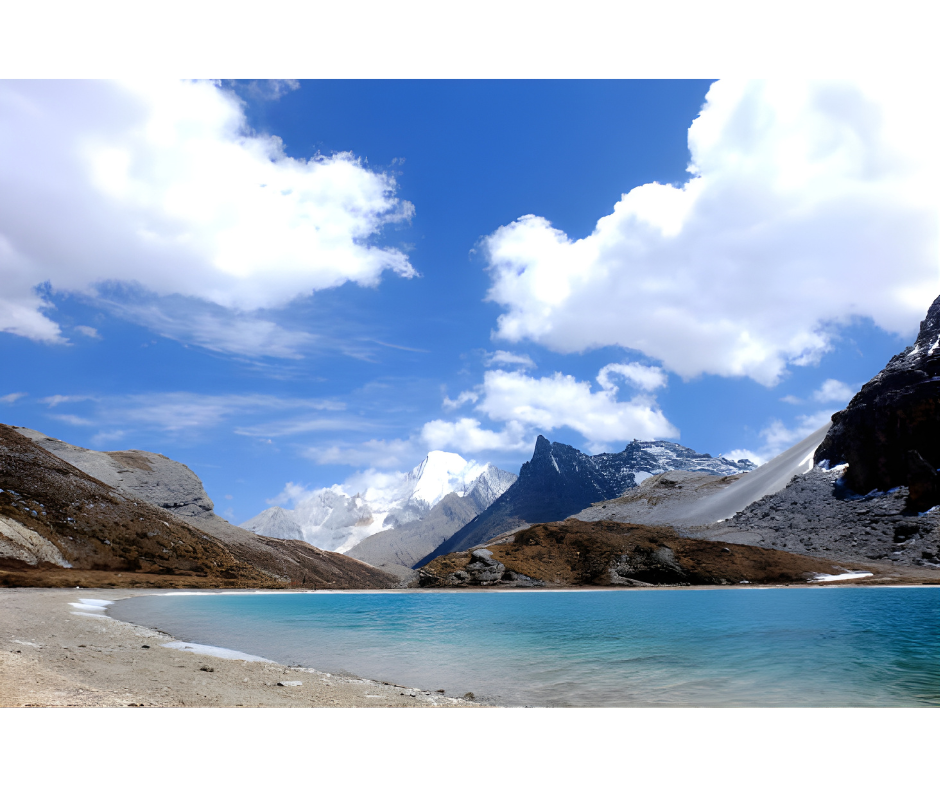
Unlike the EBC route, this trek focuses on natural beauty over altitude milestones. You're not chasing a base camp sign. You're chasing views, silence, and a connection to the landscape. The area is part of Sagarmatha National Park, a UNESCO World Heritage Site. That means protected wildlife, pristine trails, and well-managed teahouses.
Major Highlights of the Gokyo Lakes Trek
Here's what makes this trek unforgettable:
Gokyo Ri Summit (5,357m): The sunrise hike to Gokyo Ri is the emotional peak of the trek. From the top, you'll see Everest, Lhotse, Makalu, and Cho Oyu. The view stretches across glaciers, valleys, and ridges. It's one of the best panoramas in Nepal.
The Six Gokyo Lakes: These glacial lakes are sacred to both Hindus and Buddhists. Locals believe bathing in them washes away sins. The third lake, Dudh Pokhari, sits right next to Gokyo village. The fourth and fifth lakes are even more remote and stunning.
Ngozumpa Glacier: You'll walk beside and sometimes on this massive river of ice. It's a raw, powerful landscape that feels otherworldly.
Sherpa Culture and Villages: Pass through Namche Bazaar, Dole, Machhermo, and Gokyo. You'll meet locals, visit monasteries, and experience genuine mountain hospitality.
Gokyo Lakes Trek Route and Key Stops
The Gokyo Lakes Trek typically follows an 18-day itinerary that combines the classic Gokyo Valley route with the challenging Cho La Pass and Everest Base Camp. Here's what the journey looks like:
Days 1-2: Arrival and Preparation in Kathmandu
Your adventure begins in Nepal's capital. You'll have time for gear checks, team meetings, and exploring Thamel before flying to the Everest region.
Day 3: Fly to Lukla (2,845m) and Trek to Phakding (2,652m)
The thrilling mountain flight to Lukla marks the official start. Your first trek follows the Dudh Koshi River through pine forests and traditional Sherpa villages.
Day 4: Phakding to Namche Bazaar (3,440m)
Cross the famous Hillary Bridge and enter Sagarmatha National Park. The steep climb rewards you with views of Everest, Lhotse, and Ama Dablam as you reach the bustling Sherpa hub of Namche.
Day 5: Acclimatization in Namche
Hike to Everest View Hotel (3,880m) or explore Khumjung Village. This rest day is crucial for altitude adjustment.
Day 6-7: Namche to Tengboche (3,800m) to Dingboche (4,400m)
Trek through rhododendron forests to Tengboche Monastery, then continue to Dingboche, passing through high-altitude pastures with stunning mountain panoramas.
Day 8: Acclimatization in Dingboche
Optional hikes to Nagarjun Hill or Chukhung Ri help your body adjust while offering spectacular views of Makalu, Lhotse, and Ama Dablam.
Day 9-10: Dingboche to Lobuche (4,900m) to Everest Base Camp (5,364m)
Follow the Khumbu Glacier's moraine through the Thukla Pass Memorial. After reaching Gorakshep, hike to Everest Base Camp and witness the legendary Khumbu Icefall.
Day 11: Kala Patthar (5,545m) and Trek to Dzongla (4,850m)
Wake before dawn for the sunrise hike to Kala Patthar—one of the best viewpoints in the Everest region. Then descend to Dzongla to prepare for the Cho La Pass crossing.
Day 12: Cross Cho La Pass (5,420m) to Thagnak (4,700m)
This challenging day involves crossing an icy, glacier-covered pass with technical sections. The descent leads to Thagnak, near the massive Ngozumpa Glacier.
Day 13: Thagnak to Gokyo Lake (4,790m)
Trek across Nepal's largest glacier to reach the stunning turquoise Gokyo Lakes. Gokyo Village sits beside the sacred Dudh Pokhari (third lake).
Day 14: Gokyo Ri Summit (5,357m) and Trek to Machhermo (4,470m)
The early morning climb to Gokyo Ri offers panoramic views of Everest, Cho Oyu, Makalu, and Lhotse, with the shimmering lakes below. Descend to Machhermo afterward.
Day 15-16: Return via Namche to Lukla
Retrace your steps through Dole, Namche Bazaar, and Phakding before reaching Lukla for your final night in the mountains.
Day 17-18: Fly to Kathmandu and Departure
A scenic flight brings you back to Kathmandu. After one final night in the city, you'll depart for home with memories of an epic Himalayan adventure.
Note: This comprehensive itinerary can be shortened to 10-12 days if you skip Everest Base Camp and Cho La Pass, focusing solely on the Gokyo Valley trek route. Many trekkers prefer the shorter Gokyo trek for a quieter, more intimate experience with the turquoise lakes and Gokyo Ri viewpoint.
Best Time to Do the Gokyo Lakes Trek
Choosing the right time can make or break your trek. For detailed seasonal analysis and booking calendars, visit our Gokyo Lakes Trek dates and departure schedule. The ideal seasons are spring (March to May) and autumn (September to November).
Spring brings blooming rhododendrons and stable weather. The trails are busier but still quieter than EBC.
Autumn offers crystal-clear skies and perfect temperatures. This is peak trekking season in Nepal.
Winter (December to February) is possible but cold. Temperatures can drop to -20°C at night. Some teahouses close.
Monsoon (June to August) is not recommended. Rain makes trails slippery. Clouds block mountain views. Leeches are common at lower elevations.
Difficulty Level and Physical Preparation
The Gokyo Lakes Trek is rated moderate to challenging. You don't need technical climbing skills. But you do need stamina, strong legs, and mental resilience.
Altitude is the biggest challenge. You'll sleep above 4,000 meters for several nights. Acute Mountain Sickness (AMS) is a real risk. Climb slowly. Drink water. Listen to your body.
Daily walking time: 5–7 hours on average. Some days are steep. Others are long and gradual.
Preparation tips:
Train with cardio: running, cycling, or stair climbing
Do long hikes with a backpack
Strengthen your legs and core
Practice walking on uneven terrain
You don't need to be an athlete. But you should be comfortable with multi-day hikes.
Accommodation and Food During the Trek
You'll stay in teahouses, simple mountain lodges run by local families.
Rooms are basic. Expect twin beds, thin mattresses, and shared bathrooms. Blankets are provided, but bring a sleeping bag for warmth.
Heating is available in common areas, usually from a wood or yak-dung stove. Charging your phone costs extra.
Food is surprisingly good. Most teahouses serve:
- Dal bhat (rice, lentils, vegetables)
- Fried rice or noodles
- Momos (dumplings)
- Pancakes and porridge for breakfast
- Tea, coffee, and hot lemon
Dal bhat is unlimited. It's the best fuel for long trekking days.
Water: Buy bottled water or use purification tablets. Boiled water is available at teahouses.
Permits Required for the Gokyo Lakes Trek
You'll need two permits:
1. Sagarmatha National Park Entry Permit: Cost: NPR 3,000 (about $23 USD). Get it in Kathmandu or at the park entrance in Monjo.
2. Khumbu Pasang Lhamu Rural Municipality Permit: Cost: NPR 2,000 (about $15 USD) Issued in Lukla or arranged by your trekking agency.
Most trekkers book through an agency, which handles permits. If you're going solo, bring passport photos and cash.
Gokyo Ri Hike and Viewpoints
The predawn hike to Gokyo Ri is the highlight of the trek. Start around 4:30 AM. The trail is steep and rocky. You'll climb about 600 meters in 2–3 hours. The altitude makes every step harder. Go slow. Stop when you need to breathe.
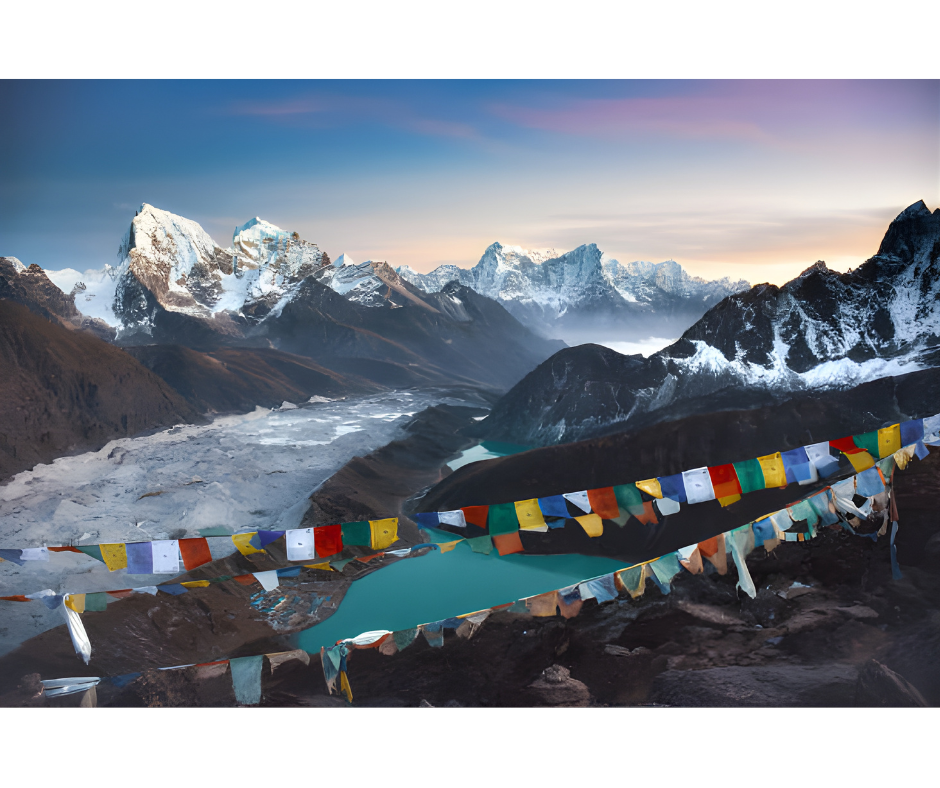
At the summit, the sun lights up Everest, Lhotse, Makalu, and Cho Oyu. The Ngozumpa Glacier spreads below like a frozen highway. The turquoise lakes glow in the morning light. It's cold. Windy. Worth every second.
Other viewpoints include:
- Everest View Hotel near Namche
- Gokyo Fifth Lake for a quieter perspective
- Scoundrel's Viewpoint above Dole
Gokyo Lakes Trek vs Everest Base Camp: Which Should You Choose?
Both treks explore the Khumbu region, but they offer different experiences. Here's how they compare:
| Factor | Gokyo Lakes Trek | Everest Base Camp Trek |
| Duration | 10–12 days | 12–14 days |
| Max Altitude | 5,357m (Gokyo Ri) | 5,545m (Kala Patthar) |
| Crowd Level | Quieter, fewer trekkers | Busy, especially in peak season |
| Main Highlights | Turquoise lakes, Ngozumpa Glacier, panoramic views from Gokyo Ri | Everest Base Camp, Khumbu Icefall, Kala Patthar sunrise |
| Scenery | Glacial lakes, peaceful valleys, glacier walks | Rocky moraine, glacier views, iconic base camp |
| Best For | Solitude seekers, nature lovers, photographers | Bucket-list trekkers, Everest enthusiasts |
| Difficulty | Moderate to challenging | Moderate to challenging |
| Cost | $800–$2,000 | $900–$2,200 |
The Gokyo route is ideal if you value natural beauty and tranquility over famous landmarks. Everest Base Camp delivers the iconic moment of reaching the world's tallest mountain. Many trekkers now combine both routes via Cho La Pass, creating an 18-day circuit that offers the best of both worlds.
Helpful Tips for a Successful Gokyo Lakes Trek
1. Ascend slowly: Don't rush. Altitude sickness doesn't care how fit you are.
2. Pack light but smart: Bring layers, a good sleeping bag, sunscreen, and a headlamp. Porters can carry your main bag.
3. Stay hydrated: Drink 3–4 liters of water daily. Add electrolytes if possible.
4. Respect local culture: Remove shoes before entering monasteries. Ask before taking photos. Dress modestly.
5. Get travel insurance: Make sure it covers trekking above 5,000 meters and helicopter evacuation.
6. Bring cash: ATMs are only in Namche. Bring enough Nepali rupees for the entire trek.
7. Hire a guide or porter: It supports the local economy and makes the trek safer and easier.
8. Download offline maps: Cell service is spotty. Google Maps works well in the region.
Conclusion
The Gokyo Lakes Trek offers everything you want from a Himalayan adventure: dramatic peaks, untouched nature, cultural immersion, and a sense of accomplishment. It's less crowded than Everest Base Camp but just as rewarding. The turquoise lakes, the Gokyo Ri sunrise, and the quiet trails make it a favorite among seasoned trekkers.
If you're ready for high altitude, long days, and unforgettable views, this trek won't disappoint. Start planning. Book your flights. Train your legs. The Gokyo Lakes are waiting.
Note: This blog is checked by trekking experts with firsthand experience in the Gokyo region.
FAQs About the Gokyo Lakes Trek
Can beginners do the Gokyo Lakes Trek?
Yes, if you're physically fit and prepare properly. The trek doesn't require technical skills, but you need stamina and the ability to walk 5–7 hours daily at high altitude. Prior multi-day hiking experience helps, but isn't mandatory.
How long does the Gokyo Lakes Trek take?
The standard Gokyo-only route takes 10–12 days. If you combine it with Everest Base Camp and Cho La Pass, expect 16–18 days. Shorter 8-day itineraries exist but skip acclimatization days, which increases altitude sickness risk.
Do I need a guide for the Gokyo Lakes Trek?
Not legally, but it's recommended. Guides know the terrain, help with acclimatization, and handle emergencies. Solo trekking is allowed, but trails can be confusing during bad weather. Hiring a guide also supports local communities.
What's the best month for the Gokyo Lakes Trek?
October and November offer the clearest skies and stable weather. March and April are also excellent, with blooming rhododendrons and warmer temperatures. Avoid June through August due to monsoon rains and poor visibility.
Is the Gokyo Lakes Trek harder than the Everest Base Camp?
They're similar in difficulty. Gokyo Ri (5,357m) is slightly lower than Kala Patthar (5,545m), but the Gokyo route involves more glacier walking. If you add Cho La Pass, the combined trek becomes significantly harder than EBC alone.
.webp&w=1200&q=75&dpl=dpl_EUd5Wwb28cTzwN6qQNwTKfhuRohE)