What is the Everest Base Camp Trek?
The Everest Base Camp trek is a high-altitude trekking route in northeastern Nepal that leads hikers from Lukla airport through the Khumbu valley to the base of Mount Everest. The route passes through Sagarmatha National Park, a UNESCO World Heritage Site, and takes you through some of the most dramatic mountain scenery on Earth.
For official destination information, visit the Nepal Tourism Board's Everest Base Camp page.
Why It's So Popular
- Stunning views of Everest, Lhotse, Nuptse, Ama Dablam, and other 8,000-meter peaks
- Rich Sherpa culture, Buddhist monasteries, and prayer flags throughout the route
- The sense of standing where legendary Everest expeditions begin
- A physically demanding but non-technical trail, no climbing skills required
- One of the most well-organised trekking routes in the Himalayas, with reliable tea houses
Quick Summary: The EBC trek begins and ends in
Lukla (2,840m) after a short flight from Kathmandu. Most trekkers reach
Everest Base Camp (5,364m) on day 10–11, with an optional ascent to Kala Patthar (5,545m) for the most famous panoramic views of Everest.
Everest Base Camp Trek Itinerary (12–14 Days)
This is the standard 14-day Everest Base Camp itinerary used by most reputable trekking agencies. Acclimatization days are built in and non-negotiable for safety.
|
Day
|
Route
|
Altitude
|
Duration
|
|
Day 1
|
Fly Kathmandu → Lukla; Trek to Phakding
|
2,610m
|
3–4 hrs
|
|
Day 2
|
Phakding → Namche Bazaar
|
3,440m
|
5–6 hrs
|
|
Day 3
|
Acclimatization Day — Namche Bazaar ★
|
3,440m
|
Rest/explore
|
|
Day 4
|
Namche → Tengboche
|
3,860m
|
5–6 hrs
|
|
Day 5
|
Tengboche → Dingboche
|
4,410m
|
5–6 hrs
|
|
Day 6
|
Acclimatization Day — Dingboche ★
|
4,410m
|
Rest/explore
|
|
Day 7
|
Dingboche → Lobuche
|
4,940m
|
5–6 hrs
|
|
Day 8
|
Lobuche → Gorakshep; Trek to EBC
|
5,364m
|
7–8 hrs
|
|
Day 9
|
Kala Patthar (5,545m) → Pheriche
|
4,240m
|
7–8 hrs
|
|
Day 10
|
Pheriche → Namche Bazaar
|
3,440m
|
6–7 hrs
|
|
Day 11
|
Namche Bazaar → Lukla
|
2,840m
|
6–7 hrs
|
|
Day 12
|
Fly Lukla → Kathmandu
|
—
|
—
|
|
Day 13–14
|
Buffer days for weather delays
|
—
|
—
|
For a more detailed trail-by-trail breakdown maintained by local Nepal guides, EBC Trek Guide is a useful companion resource."
Key Stops Along the Route
- Lukla, the gateway to the Khumbu, is reached by one of the world's most thrilling mountain flights
- Namche Bazaar, the Sherpa capital and main acclimatization hub at 3,440m, with shops, cafes, and a famous Saturday market
- Tengboche is home to the iconic Tengboche Monastery with unobstructed views of Everest
- Dingboche, Second major acclimatization stop; side hike to Nagarjun Hill strongly recommended
- Gorakshep, the last tea house stop before Base Camp, sits at a breathless 5,140m
- Everest Base Camp (5,364m) is the goal and the staging ground for Everest expeditions during the spring and autumn seasons
Important: Never skip acclimatization days. The 'climb high, sleep low' principle is critical above 3,500m. Cutting the itinerary short is the #1 cause of altitude sickness evacuations on this trail.
Everest Base Camp Trek Cost (2026 Updated)
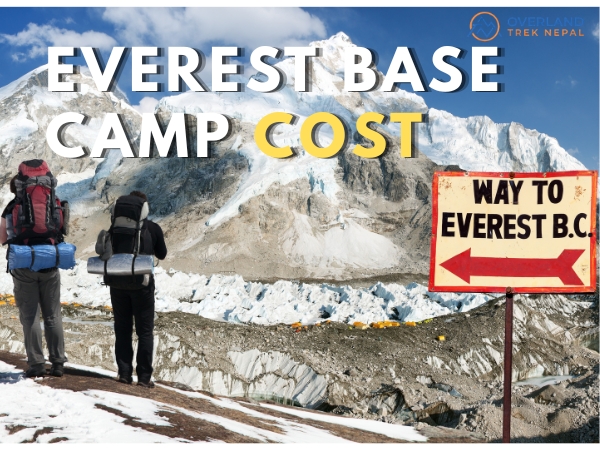
The total cost of trekking to Everest Base Camp depends on your budget level, whether you hire a guide, and how long you stay in Kathmandu. Here is a realistic 2026 breakdown.
Permits
|
Permit
|
Cost (2026)
|
|
Sagarmatha National Park Permit
|
NPR 3,000 (~$22 USD)
|
|
Khumbu Pasang Lhamu Rural Municipality Fee
|
NPR 2,000 (~$15 USD)
|
|
Total Permits
|
~$37 USD
|
Flights (Kathmandu ↔ Lukla)
|
Route
|
Cost Range
|
|
Kathmandu → Lukla (one way)
|
$180–$220 USD
|
|
Lukla → Kathmandu (one way)
|
$180–$220 USD
|
|
Round-trip total
|
~$360–$440 USD
|
Note: Helicopter rescue insurance is strongly recommended at ~$100–$150 for the entire trip.
Guide & Porter Costs
|
Service
|
Daily Rate
|
|
Licensed trekking guide
|
$30–$50/day
|
|
Porter (carries up to 25 kg)
|
$20–$30/day
|
|
Guide + porter for 14 days (total)
|
~$700–$1,100
|
Accommodation & Food (Per Person Per Day)
|
Category
|
Daily Cost
|
|
Budget (tea houses, basic meals)
|
$20–$35/day
|
|
Standard (mid-range lodges, 3 meals)
|
$40–$70/day
|
|
Luxury (heated rooms, better food)
|
$80–$150/day
|
Total Cost Summary (Per Person)
|
Budget Level
|
Total Estimated Cost
|
|
Budget (solo, basic tea houses)
|
$1,200–$1,800
|
|
Standard (with guide + porter)
|
$2,200–$3,000
|
|
Luxury (premium packages)
|
$3,500–$5,000+
|
Pro Tip: Pre-booking a full package through a reputable Kathmandu agency often costs less than organising everything independently, especially once you factor in guide fees and time saved on logistics.
How Long Does It Take to Trek Everest Base Camp?
Direct Answer: The standard Everest Base Camp trek takes 12–14 days from the time you fly into Lukla to the day you fly back. Including travel days in Kathmandu, most trekkers budget 16–18 days total.
The breakdown: approximately 7–8 days trekking up to Base Camp, 2 acclimatization days, and 4–5 days trekking back down. Weather delays at Lukla airport are common, especially in shoulder months, are why you should always book at least 2 buffer days.
Some operators offer 8–10-day 'express' itineraries, but these cut acclimatization time and significantly increase the risk of altitude sickness. For most trekkers, 12–14 days is the safe minimum.
How Hard is Everest Base Camp Trek?
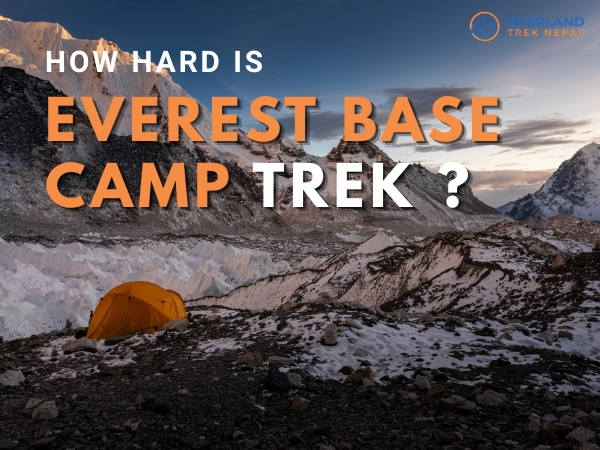
Difficulty Rating: The Everest Base Camp trek is rated moderate to challenging. It requires no technical climbing skills, but sustained hiking at high altitude makes it demanding for most fitness levels.
The Altitude Challenge
The biggest challenge isn't the terrain, it's the altitude. You're trekking above 3,500m for most of the route, where oxygen levels are around 60% of what they are at sea level. This makes even gentle slopes feel strenuous.
The Himalayan Rescue Association which runs the aid post at Pheriche (4,243m) on the EBC route, recommends never ascending with obvious symptoms and drinking 3–4 litres of water daily.
Key Stat: Altitude sickness affects an estimated 30–40% of EBC trekkers in some form, ranging from mild headaches to serious conditions like HAPE or HACE. Proper acclimatization, hydration, and not rushing the itinerary are your best defences.
Daily Trekking Stats
|
Metric
|
Average
|
|
Daily distance
|
8–16 km
|
|
Daily elevation gain
|
400–700m
|
|
Daily hiking time
|
5–8 hours
|
|
Highest point (Kala Patthar)
|
5,545m
|
Physical Fitness Required
You don't need to be an athlete, but you should comfortably be able to:
- Hike for 5–7 hours consecutively
- Carry a day pack of 5–8 kg
- Walk on uneven, rocky terrain
- Manage steep ascents and descents on stone steps
Recommended training: 3–4 months of regular hiking, stair climbing, and cardio before departure. Multi-day hikes with elevation gain are ideal preparation.
Best Time to Trek Everest Base Camp
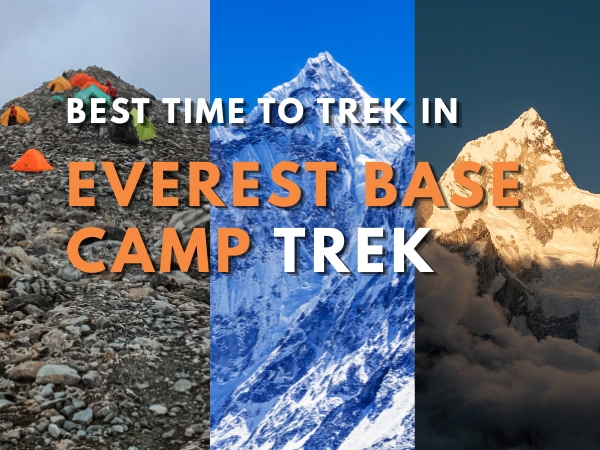
There are two prime trekking seasons in Nepal's Khumbu region. Both offer exceptional conditions; your choice depends on crowd preference and mountain priorities.
|
Season
|
Months
|
Conditions
|
Rating
|
|
Spring ☀️
|
March–May
|
Clear skies, warming temps, rhododendrons in bloom. Everest climbing season is active expect expedition teams at Base Camp.
|
★★★★★
|
|
Autumn 🍂
|
Sept–Nov
|
Crystal-clear skies post-monsoon, best mountain visibility. October is peak season — book early.
|
★★★★★
|
|
Monsoon 🌧
|
June–Aug
|
Heavy rain, poor visibility, leeches on the trail, and landslide risk.
|
✗ Avoid
|
|
Winter ❄️
|
Dec–Feb
|
Extreme cold (-20°C at camps), most tea houses above Namche close.
|
✗ Avoid (unless experienced)
|
Best Month: October is widely considered the single best month for the EBC trek post-monsoon clarity, stable weather, and manageable (though busy) trails.
Permits Required for Everest Base Camp Trek
You need two permits before entering the Khumbu trekking area. Both are checked at checkpoints along the trail. Keep originals with you at all times.
- Cost: NPR 3,000 (~$22 USD) per person
- Where to get it: TIMS office in Kathmandu (Bhrikutimandap) or at the park entry gate in Monjo
- Required to enter Sagarmatha National Park, which protects the Everest region
You can collect this permit at the park entry gate in Monjo or in Kathmandu; see the official Sagarmatha National Park site for the latest details.
- Cost: NPR 2,000 (~$15 USD) per person
- Where to get it: At the Lukla checkpoint or in Namche Bazaar
- A local government fee to fund community development in the Khumbu region
TIMS Card Note: As of 2023, TIMS is no longer mandatory for the Everest region since the local municipality permit effectively replaces it. Always confirm the latest requirement with your agency before departure.
Packing List for Everest Base Camp Trek
Pack light but pack smart. You'll carry a day pack (5–8 kg) while a porter carries your main bag (max 25 kg recommended).
Clothing
- Down jacket rated to at least -10°C
- Thermal base layers, top and bottom
- Fleece mid-layer
- Waterproof/windproof shell jacket and pants
- Trekking pants (2–3 pairs) and moisture-wicking t-shirts (3–4)
- Buff/neck gaiter, warm hat, and sun hat
- UV-protection sunglasses (glacier glasses above Namche)
- Waterproof trekking boots, broken in before the trip
- Camp sandals or light shoes for evenings
- Wool or synthetic hiking socks (5–6 pairs)
- Lightweight gloves + warmer insulated gloves
Gear
- 50–60L main trekking backpack
- 20–25L day pack
- Trekking poles, highly recommended
- Sleeping bag rated to -10°C or -15°C
- Headlamp with extra batteries
- Water purification tablets or a filter
- Reusable water bottles (2L total capacity)
- Sunscreen SPF 50+ and lip balm
Health & Safety
- Altitude sickness medication (Diamox, consult your doctor first)
- Basic first aid kit with blister care supplies
- Hand sanitizer and wet wipes
- Travel insurance documents and emergency contact list
Expert Tips for Everest Base Camp Trek
Before You Go
- Book flights and accommodation at least 3–6 months ahead for the spring season
- Get comprehensive travel insurance that covers high-altitude evacuation (helicopter rescue)
- Train specifically for elevation weekend hikes with a loaded pack are ideal
- Consult a travel medicine doctor about Diamox (acetazolamide) for altitude prevention
On the Trail
- Follow 'walk high, sleep low' strictly never ascend more than 300–500m per night above 3,000m
- Drink 3–4 litres of water daily; dehydration accelerates altitude sickness
- Eat carbohydrate-rich foods (dal bhat, pasta, rice) for sustained energy
- Avoid alcohol above 3,500m, as it dehydrates you and impairs acclimatization
- Start each day early, clouds often build by early afternoon, obscuring views
Money & Connectivity
- Carry NPR 20,000–30,000 in cash; ATMs are unreliable above Namche
- WiFi is available at most tea houses for a fee (NPR 200–500 per session)
- Bring a power bank, as electricity is intermittent above Namche
Cultural Respect
- Remove shoes at monastery entrances. Monasteries are active places of worship
- Walk clockwise around the mani walls and prayer flags
- Ask permission before photographing locals or religious ceremonies
- Respect the mountain: take your rubbish with you and leave no trace
Frequently Asked Questions (FAQs)
Q: How long does it take to trek Everest Base Camp?
The standard Everest Base Camp trek takes 12–14 days from Lukla, including acclimatization days. Most trekkers budget 16–18 days total, including travel to/from Kathmandu. Faster itineraries exist but are not recommended due to altitude risks.
Q: How hard is the Everest Base Camp trek?
The EBC trek is rated moderate to challenging. The daily hiking distances (8–16 km) are manageable, but the high altitude, spending most of the trek above 3,500m, is the primary challenge. Fit beginners with good preparation can successfully complete it.
Q: What is the cost of the Everest Base Camp trek?
The Everest Base Camp trek costs approximately $1,200–$4,000 per person. Budget trekkers spend around $1,200–$1,800 (basic tea houses, no guide). A standard package including a guide, porter, accommodation, and food typically runs $2,200–$3,000.
Q: Can beginners do the Everest Base Camp trek?
Yes,beginners can do the EBC trek with the right preparation. No technical climbing skills are required. You need good cardiovascular fitness, the ability to hike for 5–7 hours per day, and at least 3–4 months of pre-trek training. Hiring a licensed guide is strongly recommended for first-timers.

.webp&w=1200&q=75&dpl=dpl_EUd5Wwb28cTzwN6qQNwTKfhuRohE)
.webp&w=1200&q=75&dpl=dpl_EUd5Wwb28cTzwN6qQNwTKfhuRohE)
.webp&w=1200&q=75&dpl=dpl_EUd5Wwb28cTzwN6qQNwTKfhuRohE)