
I first walked the Annapurna Circuit in 2018. And again, I returned in late 2025 to see what had changed.
The short answer I have is: yes, it's still worth it. But not for everyone anymore.
There were many things that got changed. Like transport, permits, and more.
This guide will help you decide if the circuit matches what you're looking for in a Himalayan trek. No hype, just honest observations from the trail.
If you are also looking to see the iconic Annapurna Himalaya. Then we have a 7-day Annapurna Base Camp Trek for you.
And, if you have a few more days. Then, you can go for the 10-Day Annapurna Base Camp Trek as well. And that's for another blog.
Why the Annapurna Circuit Became Legendary
The Annapurna Circuit earned its reputation for good reasons. It offered everything a trekker could want in one journey. You'd walk through subtropical valleys, alpine forests, and high desert landscapes. All in two weeks. The cultural diversity was remarkable—Hindu villages gave way to Tibetan Buddhist communities as you gained altitude.
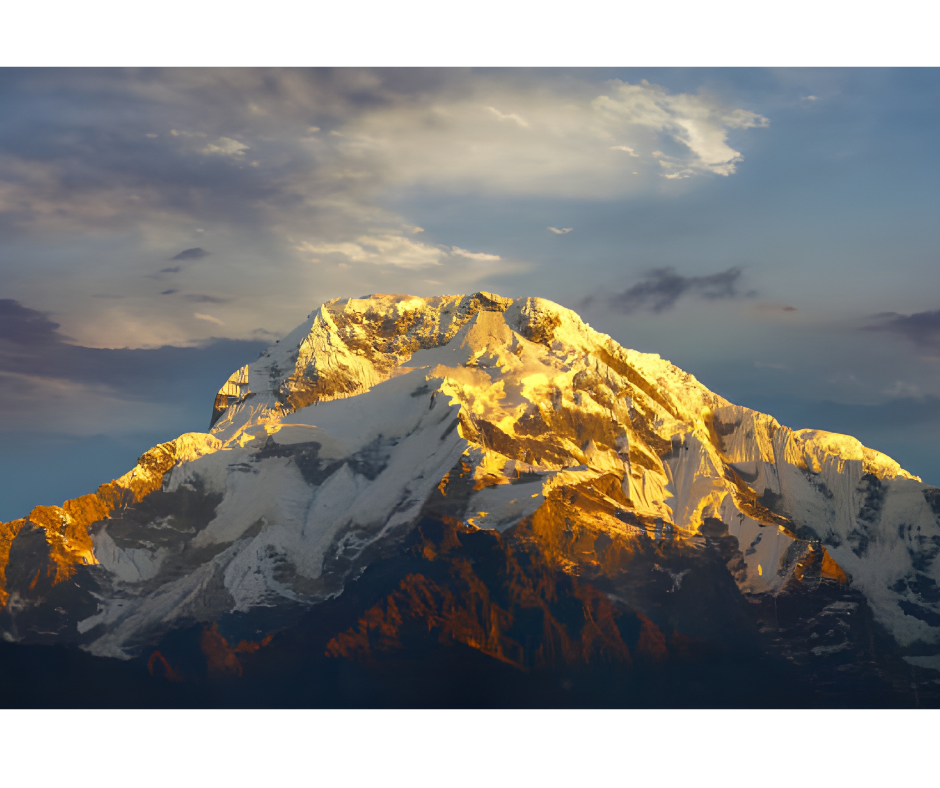
The circuit crossed Thorong La pass at 5,416 meters. This made it challenging but achievable for fit trekkers without technical climbing skills. Most importantly, it felt remote. You'd walk for days through villages that seemed untouched by the modern world.
That feeling of remoteness has changed. However, the core experience remains powerful.
What Has Changed Since the Golden Era
Roads have transformed the circuit dramatically. The first major road reached Manang in 2012. By 2017, roads connected most of the circuit's lower sections. Today, jeeps and buses run from Besisahar to Manang on the north side. The road from Jomsom to Naya Pul on the south side has been there longer.
This changes the trekking experience fundamentally. You'll hear vehicle noise in once-silent sections. Dust from passing jeeps can be unpleasant during dry season.
Many tea houses have upgraded to small hotels. WiFi is common up to Manang. Mobile networks reach higher than before. The number of trekkers has increased, especially in peak seasons. October and November see heavy traffic on the trail.
What Hasn't Changed (And Why It Still Matters)
The mountains haven't moved. The Annapurna massif still dominates the skyline with raw power. Thorong La pass remains a genuine high-altitude challenge. Thin air at 5,416 meters doesn't care about improved facilities below.
The cultural richness persists in villages like Manang, Braga, and Kagbeni. Monasteries still hold morning prayers. Locals still offer genuine hospitality. The side trips remain spectacular. Ice Lake, Tilicho Lake, and the upper Manang valley offer solitude and stunning views.
Weather patterns haven't changed. You'll still face the same risks of altitude sickness, snow, and cold that trekkers always have.
The Road Situation: What You Actually Experience
Let's be specific about where roads affect your trek. From Besisahar to Chame, most trekkers now take jeeps. The trail exists, but it runs parallel to the road and isn't pleasant. From Chame to Manang, you're mostly on footpaths. Roads exist but see less traffic. This section still feels like proper trekking.
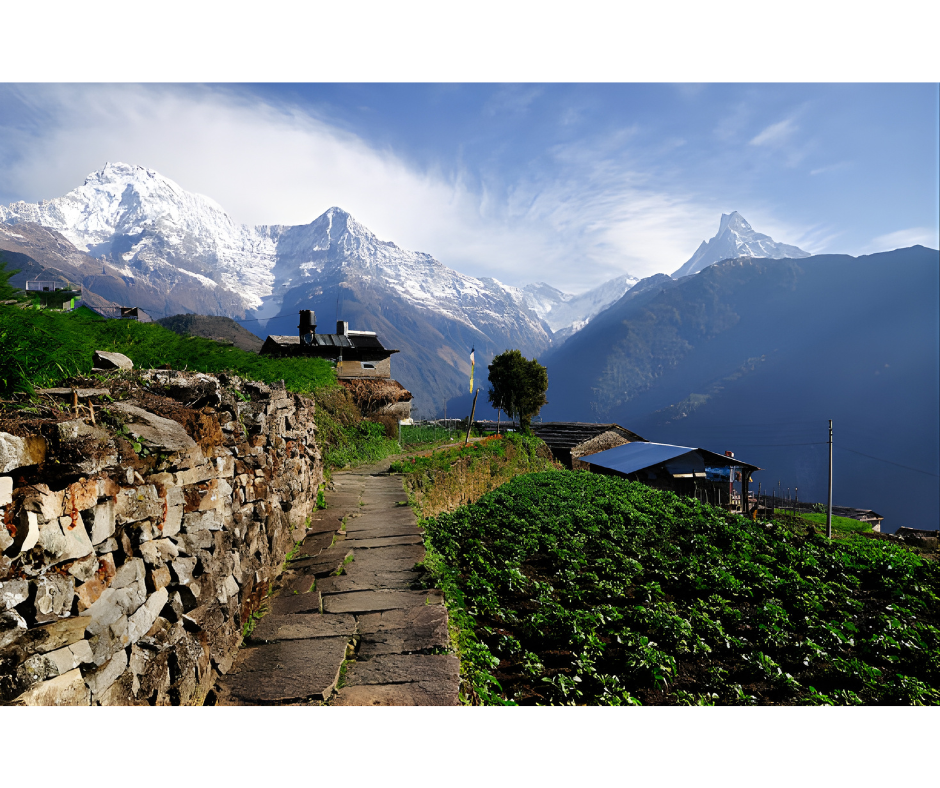
The high route from Manang to Thorong Phedi and over the pass is untouched. No roads can reach here. This is where the trek truly begins. From Muktinath down to Jomsom, roads dominate again. Many trekkers take vehicles to skip this section. The trail to Tatopani and Ghorepani is mostly a footpath, but you'll cross roads occasionally.
That said, you can still walk the entire circuit. It's just less appealing in the roaded sections.
Crowd Reality in 2026
October is packed. The trail from Manang to Thorong La feels like a highway during peak season. You might wait in line to cross the pass on busy days.
November is busy but more manageable. March and April offer moderate crowds with spring weather.
December through February sees few trekkers. Winter brings challenges, but also solitude and clear skies.
Monsoon season (June to August) remains quiet. However, leeches, rain, and cloud cover make it tough. The rain shadow effect protects the upper sections somewhat. If crowds bother you, timing matters more than ever. Early starts help you avoid congestion in popular sections.
Planning Your Trek: Dates and Availability
Before diving deeper, you'll want to know when you can actually go. The circuit is accessible most of the year, but timing affects your experience dramatically. Check current trail conditions and seasonal availability before booking flights. Thorong La can close due to heavy snow, particularly from late December through February.
Peak season books up fast. If you're planning an October trek, reserve tea houses or arrange guides at least 2-3 months ahead. Other months offer more flexibility.
Scenic Value: Still World-Class
The views haven't diminished. The Annapurna range, Dhaulagiri, Machhapuchhre, and dozens of other peaks create a visual feast. The variety of landscapes remains the circuit's greatest strength. You'll walk through rice terraces, pine forests, and barren high-altitude deserts.
Sunrises from Poon Hill or the view looking back from Thorong La still rank among Asia's finest mountain moments. No road can diminish the scale of these mountains.
Moreover, side trips offer quieter alternatives. Tilicho Lake sees traffic but nothing like the main trail. Ice Lake above Manang feels genuinely remote. The lower sections have lost some charm due to development. The upper sections remain as spectacular as ever.
Difficulty and Altitude: Not to Be Underestimated
Thorong La is still a serious pass. The altitude causes problems for many trekkers every season. Proper acclimatization isn't optional. The total circuit covers roughly 160-230 kilometers, depending on your route choices. You'll spend 12-18 days walking. Daily distances range from 10 to 20 kilometers.
The physical challenge hasn't changed. You need good fitness and mental stamina. Previous trekking experience helps but isn't essential. Altitude sickness affects people regardless of fitness. I've seen marathon runners struggle while casual hikers sail through. Listen to your body and ascend slowly.
Weather adds unpredictability. Snow can close Thorong La in winter and the shoulder seasons. Always build flexibility into your schedule.
Cost and Facilities in 2026
The circuit remains affordable compared to other major treks. Budget trekkers can complete it for $25-35 per day, including accommodation, food, and permits. Mid-range comfort costs $40-60 per day. Luxury options exist in the lower sections but not up high.
Check in-detail cost of the Annapurna Circuit Trek and decide what suits you the most.
Tea houses provide reliable shelter throughout the route. Rooms are basic—a bed, blanket, and shared bathrooms. Hot showers cost extra everywhere. Food options have improved. Most tea houses serve dal bhat, pasta, pizza, and Western breakfasts. Quality varies, but nutrition is adequate.
Permits are straightforward. You'll need the Annapurna Conservation Area Permit (ACAP) and TIMS card. These cost about $50 total for foreigners.
Who Should Still Do the Annapurna Circuit
You're a good fit for this trek if you want cultural diversity combined with mountain scenery. The circuit still offers the best variety in Nepal. If you're training for higher peaks, the circuit provides excellent altitude experience. Thorong La prepares you well for bigger objectives.
Budget-conscious trekkers benefit from the circuit's established infrastructure. You can trek independently without expensive guides or porters. Photography enthusiasts will find endless subjects. The changing landscapes and cultural elements create diverse portfolios.
First-time Himalayan trekkers often succeed here. The trail is well-marked, facilities are reliable, and help is available.
Who Should Consider Other Options
If pristine wilderness is your priority, look elsewhere. The circuit has too much development in the lower sections for true remoteness. Trekkers seeking solitude during peak season will be disappointed. The trail sees heavy traffic in October.
If you're on a very tight schedule, other shorter treks might suit you better. Rushing the circuit increases altitude sickness risk. Those bothered by basic facilities should consider lodge-based treks in less remote areas. Annapurna tea houses are comfortable but simple.
In contrast, if roads deeply offend your sense of adventure, the Manaslu Circuit or Kanchenjunga region offers more traditional experiences.
How It Compares to Other Major Treks
The Everest Base Camp trek offers better mountain views but less cultural and landscape variety. It's also more expensive and crowded. Manaslu Circuit provides a more traditional experience. However, it's shorter, and permits are restricted. The views don't quite match Annapurna's variety.
Langtang Valley is shorter and closer to Kathmandu. It's less developed but also less diverse. Good for a limited time.
Upper Mustang offers unique desert landscapes and Tibetan culture. It's more expensive due to permit costs. Less physically demanding than the circuit. The Annapurna Circuit still wins for overall variety. It's the most complete trekking experience Nepal offers in a single route.
Trek Overview: What You're Actually Signing Up For
The Annapurna Circuit traditionally starts in Besisahar and ends in Naya Pul. You'll circumnavigate the Annapurna massif in a counterclockwise direction. Total distance ranges from 160 to 230 kilometers, depending on your choices. You'll cross one major pass and trek through elevations from 800 meters to 5,416 meters.
For a detailed route breakdown and daily itinerary, proper planning tools help you understand exactly what each day involves. This prevents surprises on the trail. The circuit crosses multiple climate zones. You'll need gear for both subtropical heat and high-altitude cold.
Conclusion
Is the Annapurna Circuit still worth it? Absolutely—if you adjust your expectations. Don't expect the pristine wilderness experience that guidebooks from 2010 described. That circuit is gone. The roads changed it permanently.
However, the circuit still delivers powerful experiences. The high-altitude crossing, mountain views, and cultural encounters remain world-class. Skip the lower sections if roads bother you. Fly to Jomsom, trek to Muktinath, cross Thorong La, and end at Manang. This condensed version captures the best parts.
Alternatively, walk the full circuit and accept it as it is today. The roads are annoying but not ruinous. The mountains still dominate the experience. I'm glad I returned. The circuit has changed, but it hasn't lost its soul. It's still one of the world's great treks.
Frequently Asked Questions
Can you do the Annapurna Circuit without a guide?
Yes. The trail is well-marked, and tea houses are frequent. Many solo trekkers complete it independently. Guides help with bookings in peak season and provide cultural context, but they're not required for navigation or safety on this established route.
How fit do you need to be for the Annapurna Circuit?
You need solid cardiovascular fitness and the ability to walk 5-7 hours daily for two weeks. Prior trekking experience helps but isn't essential. Altitude affects fitness levels unpredictably; pace yourself and acclimatize properly regardless of your training.
When is the best time to trek the Annapurna Circuit?
October and November offer stable weather and clear mountain views, but bring crowds. March and April provide spring conditions with moderate traffic. December through February means solitude and clear skies, but harsh cold and potential snow closures.
How much does the Annapurna Circuit cost?
Budget trekkers spend $25-35 per day covering accommodation, food, and permits. Mid-range comfort costs $40-60 daily. The required permits (ACAP and TIMS) total about $50. Add flights, guides, or porters if desired. Most complete the trek for $400-800 total.
Is the Annapurna Circuit dangerous?
The main risks are altitude sickness and weather-related accidents on Thorong La pass. Trekkers die most years, usually from ignoring symptoms or pushing through dangerous conditions. Proper acclimatization, weather awareness, and knowing when to turn back keep the circuit reasonably safe.


.webp&w=1200&q=75&dpl=dpl_EUd5Wwb28cTzwN6qQNwTKfhuRohE)