
Everest Base Camp trek packages range from $1,120 to $2,500 per person for 12-18-day guided treks departing from Kathmandu. Standard packages include Lukla flights, permits, teahouse accommodation, meals, licensed guides, and porters, with pricing varying by group size and service level.
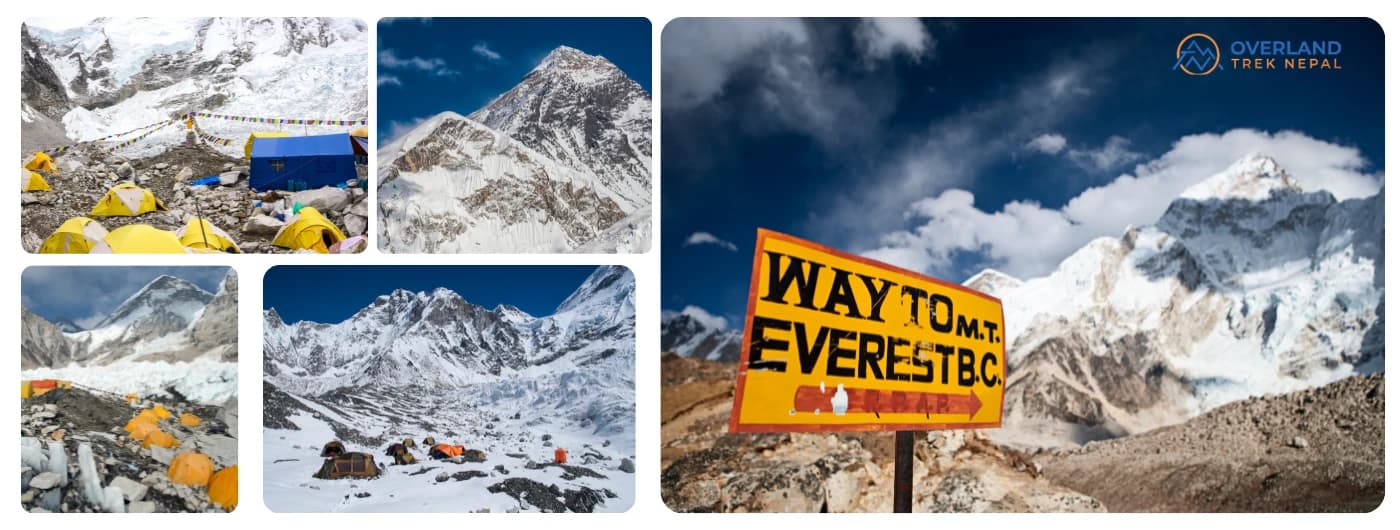
Most trekkers choose the 14-day itinerary, which provides optimal acclimatization time and reaches an elevation of 5,364 meters at Everest Base Camp, with an optional sunrise hike to Kala Patthar at 5,545 meters for the best views of Mount Everest.
What's Included in Everest Base Camp Trek Packages
A comprehensive EBC trek package covers all essential logistics from arrival in Kathmandu to return. Standard inclusions are domestic flights, trekking permits, accommodation, meals on the trail, professional guides, porter support, and safety equipment.
Core Package Inclusions
Every standard Everest Base Camp trek package from Overland Trek Nepal includes:
- Round-trip Kathmandu-Lukla flights valued at $450-500 per person
- Trekking permits: Sagarmatha National Park permit ($30) and Khumbu Pasang Lhamu Rural Municipality permit ($20)
- Accommodation: 2 nights in Kathmandu (3-star hotel, twin-sharing) plus 10-12 nights in teahouse lodges during the trek
- Meals: Three meals daily on the trail (breakfast, lunch, and dinner)
- Professional guide service: Licensed trekking guide with a minimum of 8 years of Himalayan experience
- Porter support: One porter for every two trekkers, carrying up to 20kg of personal gear
- Safety equipment: First aid kit, oxygen cylinder, pulse oximeter for altitude monitoring
- Insurance: Comprehensive coverage for guides and porters
- All taxes: Government taxes and service charges included
According to the Nepal Tourism Board, over 45,000 trekkers attempt Everest Base Camp annually, making it Nepal's most popular trekking destination.
What's Typically NOT Included
Budget for these additional expenses:
- International airfare to/from Nepal
- Nepal entry visa ($30 for 15 days, $50 for 30 days)
- Travel insurance with high-altitude trekking and helicopter evacuation coverage ($150-200)
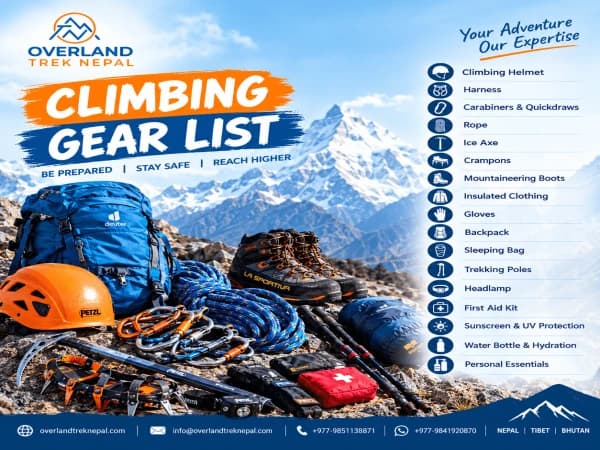
- Personal trekking gear and equipment (see our complete trekking gear list)
- Meals and accommodation in Kathmandu beyond the included nights
- Hot showers in mountain lodges ($3-5 per shower)
- WiFi access in teahouses ($3-5 per day)
- Battery charging for electronics ($3-5 per device)
- Bottled water and snacks on the trail
- Tips for guides ($5-10 per day) and porters ($3-5 per day)
- Emergency helicopter evacuation if not covered by insurance
Everest Base Camp Trek Package Costs 2026
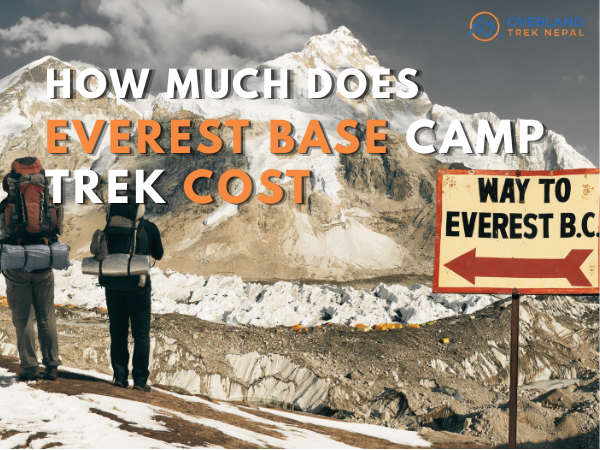
Pricing varies significantly based on service tier, group size, and booking channel. Local Nepali agencies like Overland Trek Nepal offer the most competitive rates compared to international operators charging premium prices for identical services.
Standard Package Pricing by Group Size
|
Group Size |
Price Per Person (USD) |
What You Get |
|
Solo trekker |
$1,550-1,800 |
Private guide, maximum flexibility, personalized pacing |
|
2-4 people |
$1,350-1,500 |
Shared porter, standard teahouse accommodation |
|
5-10 people |
$1,200-1,350 |
Best value tier, group discounts applied |
|
10+ people |
$1,120-1,250 |
Maximum group discount, ideal for schools/organizations |
Prices based on 14-day standard itinerary departing from Kathmandu.
Package Tiers Comparison
Budget Packages ($1,000-1,200)
Budget packages use basic teahouses with shared rooms and bathrooms, standard dal bhat meals with limited menu variety, and guides with less experience. These packages often exclude hot showers, WiFi, and airport transfers, with minimal backup support for weather delays or health emergencies.
Our budget Everest Base Camp trek package starts at $1,199 and includes all essential services while keeping costs low through shared accommodations.
Best for: Solo backpackers with previous high-altitude experience, comfortable with basic conditions.
Standard Packages ($1,300-1,800)
Standard packages offer comfortable lodges with occasional private rooms, experienced licensed guides with strong English communication skills, varied meal options including Western choices, comprehensive safety equipment, and schedule flexibility for weather changes.
The Trekking Agencies' Association of Nepal (TAAN) recommends booking with agencies that maintain proper guide-to-trekker ratios of at least 1:10 for safety.
Best for: Most trekkers seeking reliable service at a fair value. This represents the sweet spot between cost and quality.
Premium Packages ($2,000-3,000)
Premium packages feature upgraded lodges in key locations like Namche Bazaar and Tengboche, smaller group sizes for personalized attention, satellite phone communication throughout, expanded medical kits with altitude medication, and priority booking for flights.
Our luxury Everest Base Camp trekking package offers premium services with the best lodges available in the Khumbu region.
Best for: Trekkers prioritizing comfort and willing to pay for enhanced services.
Luxury Packages with Helicopter Return ($3,500-5,500+)
Luxury packages include helicopter evacuation from Gorak Shep directly to Kathmandu after reaching Everest Base Camp, eliminating the 4-5 day descent. Our Everest Heli Trek combines trekking with a spectacular helicopter return journey.
Best for: Time-constrained travelers or those wanting aerial views of the Himalayas.
Detailed Cost Breakdown
Understanding where your money goes:
- Lukla Flights: $450-500 round-trip (increased 15% in 2026 due to global fuel costs)
- Permits: $50 total for both required permits
- Guide Services: $300-420 for 12-14 days at standard rates
- Porter Services: $240-300 for 12-14 days (one porter per two trekkers)
- Accommodation: $70-250 depending on room type and package tier
- Food on Trek: $300-500 for three meals daily over 12-14 days
- Kathmandu Hotels: $60-200 for two nights
- Ground Transportation: $50-100 for airport transfers and Ramechhap drive if flights operate from there
- Company Operations: $200-400 for logistics, permits processing, emergency coordination
Best Everest Base Camp Trek Itineraries
Trek duration directly impacts acclimatization success and overall experience. Research published in Wilderness & Environmental Medicine shows that trekkers following proper acclimatization schedules with no more than 500 meters of elevation gain per day above 3,000 meters reduce altitude sickness risk by 60%.
14-Day Standard Itinerary (Recommended)
This itinerary achieves a 96% success rate among properly prepared trekkers by including two dedicated acclimatization days and gradual altitude progression.
Day 1: Arrival in Kathmandu (1,400m)
Trek briefing, permit processing, gear check, and pre-trek orientation with the guide. Evening Kathmandu sightseeing tour available if time permits.
Day 2: Flight to Lukla (2,860m), Trek to Phakding (2,610m)
Scenic 35-minute mountain flight followed by a gentle 3-4 hour trek along the Dudh Koshi River.
Day 3: Phakding to Namche Bazaar (3,440m)
6-7 hour trek crossing multiple suspension bridges, including the famous Hillary Bridge, steep climb to the Sherpa capital, Namche.
Day 4: Acclimatization Day in Namche Bazaar
Hike to Everest View Hotel (3,880m) for panoramic mountain views, return to sleep at Namche. Critical day for altitude adjustment. The Centers for Disease Control and Prevention (CDC) recommends spending a second night at the same elevation after ascending more than 500 meters.
Day 5: Namche to Tengboche (3,860m)
5-6 hour trek with spectacular views of Everest, Lhotse, and Ama Dablam. Visit Tengboche Monastery, the spiritual heart of the Khumbu region.
Day 6: Tengboche to Dingboche (4,410m)
5-6 hour trek through alpine landscape, crossing Imja Khola river, entering higher elevation zones.
Day 7: Acclimatization Day in Dingboche
Day hike to Nagarjun Hill (5,100m) for a stunning 360-degree Himalayan panorama, return to sleep at Dingboche. Second crucial acclimatization day.
Day 8: Dingboche to Lobuche (4,910m)
5-6 hour trek passing memorials to climbers who perished on Everest, continuing alongside Khumbu Glacier.
Day 9: Lobuche to Gorak Shep to Everest Base Camp and Return
7-8 hour trek reaching Everest Base Camp at 5,364 meters, return to Gorak Shep (5,164m) for overnight. Most challenging day of the trek.
Day 10: Sunrise Hike to Kala Patthar (5,545m), Descend to Pheriche
Pre-dawn summit of Kala Patthar for iconic Everest sunrise views, then 7-8 hour descent to Pheriche (4,240m).
Day 11: Pheriche to Namche Bazaar (3,440m)
6-7 hour descent through villages visited on ascent, celebrating success in Namche.
Day 12: Namche to Lukla (2,860m)
6-7 hour trek completing the circuit, farewell dinner with the trek team in Lukla.
Day 13: Flight to Kathmandu
Morning flight (weather permitting), rest and celebration in Kathmandu.
Day 14: Contingency/Departure Day
Buffer day for weather-delayed Lukla flights or departure from Nepal.
View the complete Everest Base Camp Trek 14-day package with a detailed itinerary.
Alternative Itinerary Options
12-Day Everest Base Camp Short Trek: Express version for experienced trekkers with time constraints (85% success rate)
10-Day Everest Base Camp Trek: Rapid ascent for highly experienced high-altitude trekkers only
18-Day Everest Base Camp Trek Without Flight: Traditional walking route from Jiri, following Hillary's original 1953 expedition path
16-Day Everest Base Camp Trek with Family and Kids: Slower pace with extra rest days, suitable for families
When to Book: Best Seasons for Everest Base Camp Trek Packages
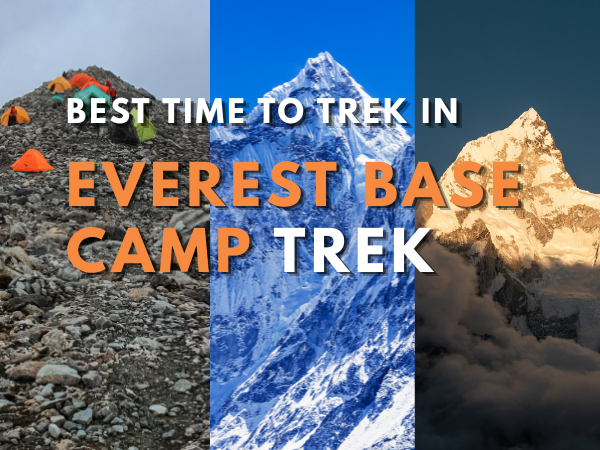
The Everest region experiences four distinct seasons, each offering different conditions, costs, and crowd levels. According to Nepal's Department of Hydrology and Meteorology, weather patterns in the Khumbu have remained relatively stable over the past decade.
Spring Season (March-May) — Peak Season
Spring provides stable weather with daytime temperatures ranging from 15-20°C at lower elevations and -5 to 5°C at Everest Base Camp. Mountain views are crystal clear in March and early April, while late April-May brings afternoon cloud buildup.
Advantages:
- Rhododendron forests bloom with vibrant colors along lower trails
- Everest Base Camp bustles with mountaineering expeditions preparing for summit attempts
- Comfortable temperatures for trekking
- Excellent visibility for photography
Considerations:
- Highest package prices of the year ($1,400-1,800 for standard packages)
- Lukla flights are fully booked 2-3 months in advance
- Popular lodges require advance reservations
- Trail congestion at narrow sections and suspension bridges
Best for: First-time trekkers wanting optimal conditions and wanting to witness base camp mountaineering activity.
Autumn Season (September-November) — Peak Season
Autumn delivers the clearest skies and most stable weather conditions of the year. Post-monsoon air clarity provides spectacular mountain photography opportunities.
Advantages:
- Driest season with minimal precipitation
- Crystal-clear visibility (90% clear days in October)
- Comfortable temperatures
- Harvest season cultural festivals in Sherpa villages
Considerations:
- Highest trekker volume of the year (October is especially crowded)
- Package prices match spring rates
- Advance booking essential for group treks
- Popular tea houses fill by mid-afternoon
Best for: Photography enthusiasts and trekkers seeking guaranteed clear mountain views.
Read more about best season to visit Nepal for detailed weather information.
Winter Season (December-February) — Low Season
Winter brings harsh conditions with temperatures plummeting to -20°C at higher elevations. Heavy snowfall can temporarily close high passes and make trails treacherous.
Advantages:
- Package discounts of 15-20% below peak season rates
- Empty trails offering solitude
- Crystal-clear visibility on good weather days
- Negotiable lodge rates
Considerations:
- Extreme cold requires specialized gear
- Many lodges close above Namche Bazaar
- Increased avalanche risk on certain sections
- Lukla flights more prone to weather delays
Best for: Experienced winter trekkers comfortable with harsh conditions, seeking budget savings and solitude.
Monsoon Season (June-August) — Off Season
Monsoon brings afternoon rainfall, though the Everest region's rain shadow position means less impact than the Annapurna region.
Booking Timeline Recommendations:
- 4-6 months ahead: Peak seasons (March-May, September-November)
- 2-3 months ahead: Shoulder months
- 1 month ahead: Winter and monsoon seasons
How to Choose the Right Everest Base Camp Packages
Selecting a trek operator requires evaluating safety credentials and service standards rather than price alone. The International Porter Protection Group (IPPG) provides guidelines for ethical trekking practices.
Essential Evaluation Criteria
1. Guide Qualifications and Experience
Licensed guides must hold official certification from the Nepal Mountaineering Association (NMA) with wilderness first aid training completed within the past two years. Request guide profiles showing:
- Years of Everest region experience (minimum 5 years recommended)
- Number of successful Everest Base Camp completions (50+ indicates expert-level familiarity)
- Language capabilities (English fluency essential for safety communication)
- First aid and altitude sickness training certifications
- Client reviews and testimonials
Our team includes experienced Sherpa guides who have summited the route 60+ times and can recognize altitude sickness symptoms immediately.
2. Porter Welfare Standards
Ethical trekking companies follow the International Porter Protection Group guidelines:
- Comprehensive insurance coverage for porters
- Proper equipment provision, including insulated boots, warm clothing, and rain gear
- Strict enforcement of the 20kg weight limit per porter (no overloading)
- Fair wages meeting or exceeding government minimums
- Porter accommodation and meals provided
Ask potential agencies for their porter welfare policy in writing. Companies certified by the Trekking Agencies Association of Nepal (TAAN) maintain verified standards.
3. Emergency Response Capabilities
Verify comprehensive emergency protocols:
- Communication: Satellite phone or radio carried by the guide at all times above Namche
- Medical Equipment: First aid kit with altitude sickness medications (Diamox, Dexamethasone), oxygen supply, and pulse oximeter
- Evacuation Procedures: Written emergency action plan with helicopter evacuation coordination contacts
- Local Coordination: 24/7 Kathmandu office support for emergency logistics
The Himalayan Rescue Association (HRA) operates aid posts in Pheriche and Manang, providing crucial medical support for trekkers.
4. Company Registration and Legal Documents
Verify the company is properly registered:
- Nepal government registration
- Tourism Department license
- Nepal Tourism Board membership
- TAAN certification
- VAT registration
View our legal documents for verification.
Critical Red Flags to Avoid
Price Red Flags:
- Packages below $1,000 (impossible to provide safe service at this price point)
- "Guaranteed lowest price" promises without a service specification
- Significantly cheaper than competitor offerings
- Hidden costs are revealed only after booking
Company Red Flags:
- No physical office address in Kathmandu
- Cannot provide government registration verification
- Unwilling to share previous client references
- Vague package descriptions without specific inclusion lists
- High-pressure sales tactics demanding immediate booking
- No clear cancellation policy
Service Red Flags:
- Guides do not speak fluent English
- Refusing to provide guide qualifications in advance
- No emergency equipment shown during the briefing
- Unclear communication about what's included
- Conflicting information between sales staff
Understanding Altitude Sickness on Everest Base Camp Trek
Altitude sickness, also known as Acute Mountain Sickness (AMS), affects 30-50% of trekkers at some point during the Everest Base Camp trek. The Wilderness Medical Society provides evidence-based guidelines for altitude illness prevention and treatment.
What is Altitude Sickness?
At higher elevations, atmospheric pressure decreases, reducing the amount of oxygen available to your body. Above 2,500 meters, your body needs time to adjust to lower oxygen levels—a process called acclimatization.
Symptoms Recognition
Mild AMS (Common):
- Headache
- Nausea
- Fatigue
- Difficulty sleeping
- Dizziness
- Loss of appetite
Moderate AMS (Requires Attention):
- Persistent severe headache
- Vomiting
- Extreme fatigue
- Shortness of breath at rest
- Decreased coordination
Severe AMS (Medical Emergency):
- Confusion or altered consciousness
- Difficulty walking (ataxia)
- Coughing up pink, frothy fluid
- Severe shortness of breath even at rest
Prevention Strategies
- Follow the Proper Acclimatization Schedule
Our 14-day itinerary includes two dedicated rest days specifically for acclimatization. Never ascend more than 500 meters per day above 3,000 meters.
- Stay Hydrated
Drink 4-5 liters of water daily. Dehydration worsens altitude sickness symptoms.
- Climb High, Sleep Low
Acclimatization hikes (like Namche to Everest View Hotel) involve climbing higher during the day but returning to sleep at a lower elevation.
- Recognize Symptoms Early
Our guides perform daily health checks using the Lake Louise Scoring System, the medical standard for AMS assessment.
- Consider Diamox (Acetazolamide)
Consult your doctor about preventive Diamox medication. Many trekkers take 125mg twice daily starting 24 hours before ascent.
Read our complete guide on altitude sickness in the mountains for detailed prevention and treatment information.
Essential Gear for Everest Base Camp Trek
Proper equipment significantly impacts your comfort and safety. We've compiled a comprehensive trekking gear list for Nepal based on decades of guiding experience.
Must-Have Items (Don't Compromise Quality)
Footwear:
- Waterproof hiking boots with ankle support (broken in before departure)
- Camp shoes or sandals for evenings
- 3-4 pairs of wool or synthetic hiking socks
- Gaiters (optional but recommended for snow)
Clothing Layers:
- Moisture-wicking base layers (2-3 sets)
- Insulating mid-layers (fleece or down)
- Waterproof/windproof shell jacket (Gore-Tex or equivalent)
- Waterproof pants
- Down jacket rated to -20°C (we provide this free)
- Trekking pants (2 pairs)
- Thermal underwear
Sleeping:
- Four-season sleeping bag rated to -15°C (we provide this free)
- Sleeping bag liner (adds warmth and hygiene)
Accessories:
- Sunglasses with UV protection (Category 4 for high altitude)
- Warm hat and sun hat
- Gloves (liner gloves + insulated mittens)
- Headlamp with spare batteries
- Trekking poles (highly recommended)
Health & Safety:
- Personal first aid kit
- Sunscreen SPF 50+
- Lip balm with SPF
- Water purification tablets or a filter
- Personal medications
- Diamox (consult doctor)
- Toiletries and wet wipes
Other Essentials:
- Daypack (25-35 liters)
- Duffel bag for porter-carried gear
- Water bottles (2-liter capacity total)
- Camera and spare batteries
- Power bank
- Cash (USD and Nepali Rupees)
Rental Options in Kathmandu
Thamel district offers extensive gear rental shops. Average costs:
- Down jacket: $2-3/day
- Sleeping bag: $2-3/day
- Trekking poles: $1-2/day
- Duffel bag: $1/day
Pro tip: We provide a complimentary down jacket and sleeping bag with all our packages, saving you $60-80 in rental costs.
Nepal Visa and Entry Requirements
All foreign nationals except Indian passport holders require a visa to enter Nepal. The process is straightforward and can be completed on arrival at Tribhuvan International Airport.
Visa on Arrival Process
Available Durations:
- 15 days: $30 USD
- 30 days: $50 USD
- 90 days: $125 USD
Requirements:
- Valid passport (minimum 6 months validity)
- Passport-sized photo
- Visa fee in cash (USD preferred, also accepts EUR, GBP, major currencies)
- Completed the arrival form
Process:
- Complete online pre-application at the Immigration Department of Nepal (saves time)
- Present documentation at the visa counter upon arrival
- Pay the fee and receive a visa stamp
- Clear immigration
Read detailed instructions on our Nepal visa information page.
Travel Insurance Requirements
Comprehensive travel insurance is mandatory for all trekkers. Your policy must include:
- Emergency helicopter evacuation from altitudes up to 6,000 meters
- Medical treatment coverage minimum $100,000
- Repatriation coverage
- Trip cancellation/interruption
- Lost/stolen baggage
Recommended providers:
Learn more about Nepal travel insurance requirements and what coverage you need.
Why Choose Overland Trek Nepal for Your EBC Package
Overland Trek Nepal has maintained a 98% success rate for Everest Base Camp treks since our founding, achieved through:
Our Competitive Advantages
- Experienced Sherpa Guides
Every guide has completed the Everest Base Camp route at least 60 times, with an average experience of 10+ years in the Khumbu region. Our guides undergo annual wilderness first aid recertification and speak fluent English for clear safety communication. - Transparent, Fair Pricing
Our 14-day EBC package starts at $1,399 per person for groups of 2-4 trekkers. This includes everything listed in our package description with absolutely no hidden costs. View our clear terms and conditions and booking & payment policy. - Comprehensive Safety Protocols
- Real-time weather monitoring with schedule adjustments for safety
- Satellite phone carried by all guides above Namche Bazaar
- Medical kit including Diamox, oxygen supply, and pulse oximeter
- 24/7 emergency coordination with our Kathmandu office
- Daily health checks using a standardized altitude sickness assessment
- Porter Welfare Certified
We maintain TAAN certification for porter welfare, providing:
- Comprehensive insurance for all porters
- Proper cold-weather gear and boots
- Strict 20kg weight enforcement
- Fair wages exceeding industry minimums
- Meals and accommodation equal to those of guides
- Complimentary Equipment Provided
Save $100+ on rental costs with our included:
- Down jacket (rated to -20°C)
- Four-season sleeping bag
- Duffel bag for porter-carried gear
- Overland Trek Nepal t-shirt and cap
- Small Group Commitment
We cap all group treks at 10 trekkers per guide, ensuring personalized attention and maintaining flexible pacing. - Government Registered & Licensed
- Registered with the Nepal Government Company Registration Office
- Licensed by Nepal Tourism Board
- Member of TAAN (Trekking Agencies Association of Nepal)
- Member of Nepal Mountaineering Association
- Affiliated with KEEP (Kathmandu Environmental Education Project)
View our complete legal documents for verification.
Frequently Asked Questions About Everest Base Camp Trek Packages
How fit do I need to be for Everest Base Camp trek?
The trek requires moderate cardiovascular fitness with the ability to hike 5-7 hours daily carrying a light daypack (5-8kg). Previous multi-day trekking experience helps but isn't mandatory – many first-time trekkers successfully complete the trek with proper preparation.
Start training 2-3 months before departure with focus on:
- Cardiovascular endurance (running, cycling, swimming)
- Hiking with elevation gain (stairs, hills, mountains)
- Leg strength (squats, lunges)
- Core stability
Practice hiking 4-6 hours with a weighted backpack at least twice before departure.
Can I trek to Everest Base Camp without a guide?
No. Since April 2023, Nepal's government has required all trekkers in national parks and restricted areas to hire a licensed guide or join an organized group. Solo trekking is prohibited for safety reasons and permit compliance.
According to the Nepal Tourism Board's regulations, this policy ensures:
- Proper altitude sickness recognition
- Emergency response capability
- Environmental protection
- Local economic benefit
- Trekker safety
Attempting to trek without a guide results in permit denial and fines.
What's the risk of altitude sickness?
Altitude sickness affects 30-50% of trekkers at some point during the trek, with most cases being mild and self-resolving. Symptoms include headache, nausea, fatigue, and difficulty sleeping.
Risk Reduction Strategies:
- Follow the acclimatization schedule with rest days
- Ascend gradually (maximum 500m elevation gain per day above 3,000m)
- Stay well hydrated (4-5 liters of water daily)
- Avoid alcohol and sleeping pills
- Recognize symptoms early
Research published in the High Altitude Medicine & Biology journal shows that proper acclimatization reduces severe altitude sickness cases to less than 5%.
Our guides monitor symptoms daily using the Lake Louise Score. Immediate descent is the only cure for severe altitude sickness.
When and where do Lukla flights operate from?
Lukla flight logistics vary by season:
Peak Season (March-May, October-November): Flights often operate from Ramechhap airport (132km from Kathmandu, 4-5 hour drive) to reduce congestion at Kathmandu's Tribhuvan International Airport. All reputable packages include the Ramechhap transfer.
Shoulder/Off Season: Flights depart from Kathmandu domestic terminal (15-minute drive from city center).
Flight Schedule: Morning departure windows only (typically 6:00 AM - 10:00 AM) when weather conditions are most stable. Afternoon flights are rare due to wind and cloud buildup.
Weather Delays: Budget 1-2 buffer days in your schedule. Our packages include complimentary hotel accommodation during weather delays.
What food is available during the trek?
Teahouse menus offer variety decreasing with elevation:
Lower Elevations (Lukla to Namche): Dal bhat (traditional lentil curry with unlimited rice refills), fried rice, noodle soups, pasta, pizza, momos (dumplings), eggs, pancakes, porridge, fresh vegetables
Mid Elevations (Namche to Dingboche): Similar but with reduced menu options and fewer fresh vegetables
High Elevations (Lobuche, Gorak Shep): Basic meals only: dal bhat, fried rice, noodle soup, eggs. Fresh vegetables unavailable.
Pricing:
- Lukla/Phakding: $3-5 per meal
- Namche/Tengboche: $5-8 per meal
- Dingboche/Lobuche: $8-12 per meal
- Gorak Shep: $10-15 per meal
Prices increase with elevation due to porter transport costs. Vegetarian and vegan options are widely available.
Is WiFi and mobile phone coverage available?
Mobile Coverage: Ncell and NTC SIM cards (available in Kathmandu for $5-10) work reliably up to Namche Bazaar. Signal strength decreases above Namche with occasional coverage in Tengboche and Dingboche.
WiFi in Lodges: Most teahouses offer WiFi for $3-5 per day, though:
- Speeds are extremely slow (2G equivalent)
- Connections unstable and frequently disconnect
- Multiple users cause network overload
- Service degrades above 4,000m
Emergency communication always available via the guide's satellite phone.
Can children do the Everest Base Camp trek?
Yes, with proper preparation. We offer a specialized Everest Base Camp trek with family and kids package with slower pacing, extra rest days, and family-friendly lodges.
Recommendations:
- Minimum age: 10-12 years
- Previous multi-day hiking experience required
- Extra acclimatization days essential
- Smaller daily distances
- Flexibility to descend if needed
Consult your pediatrician before booking, especially regarding altitude sickness prevention for children.
What other treks can I combine with Everest Base Camp?
Popular combination options:
Gokyo Valley Trek: Alternative route with turquoise glacial lakes
Everest Three High Passes Trek: Advanced 18-day circuit crossing Kongma La, Cho La, and Renjo La passes
Island Peak Climbing with EBC: Combine trekking with a peak climbing experience
Gokyo Chola Pass Trek: 18-day loop via Gokyo Lakes and Cho La Pass
Browse all Everest region trekking packages.
Other Popular Nepal Trekking Packages
If you're exploring options beyond Everest Base Camp, consider these popular alternatives:
Annapurna Region
Annapurna Base Camp Trek (10 days) - Shorter duration, spectacular mountain amphitheater, easier than EBC
Annapurna Circuit Trek (12 days) - Classic circuit crossing Thorong La Pass at 5,416m
Ghorepani Poon Hill Trek (8 days) - Best beginner trek with stunning sunrise views
Manaslu Region
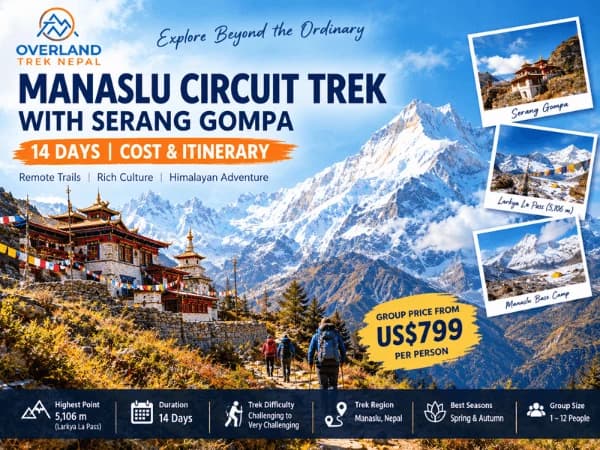
Manaslu Circuit Trek (18 days) - Less crowded alternative to Annapurna Circuit
Manaslu Base Camp Trek (17 days) - Remote wilderness trekking
Langtang Region
Langtang Valley Trek (10 days) - Closest major trek to Kathmandu, beautiful valley scenery
Langtang Gosaikunda Trek (10 days) - Combines Langtang with sacred alpine lakes
Browse all trekking packages in Nepal.
Book Your Everest Base Camp Trek Package Today
Ready to embark on the adventure of a lifetime? Overland Trek Nepal offers transparent pricing, expert guides, and comprehensive safety support for your Everest Base Camp journey.
Our Package Pricing
14-Day Standard Everest Base Camp Trek:
- 2-4 people: $1,399 per person
- 5-10 people: $1,299 per person
- Solo trekker: $1,599
- Custom private trek: Contact for a quote
Included: All permits, Lukla flights, meals on trek, accommodation, professional guide, porter service, safety equipment, emergency support, complimentary down jacket, and sleeping bag.
How to Book
Option 1: Online Booking
View our Everest Base Camp Trek package and book directly through our secure payment system.
Option 2: Contact Our Trek Specialists
- WhatsApp: +977 9841920870
- Email: [email protected]
- Phone: +977 9851138871
- Office: Narshing Chowk, Thamel, Kathmandu (opposite Hotel Lo Mustang)
Option 3: Plan a Custom Trek
Design your custom itinerary with our trekking experts.
Upcoming Group Departures
Check our last-minute departures for guaranteed group treks with discounted prices.
What Our Clients Say
"Absolutely incredible experience! The guide was knowledgeable, safety-focused, and made sure we were well-acclimatized. Reached EBC without any issues. Highly recommend Overland Trek Nepal!" - John Baker, USA
Read more client reviews from verified trekkers.
Resources and Additional Information
Helpful Pages:
Other Adventures:
Stay Connected:
Last Updated: April 26, 2026 | Reading Time: 12 minutes
Overland Trek Nepal is a government-licensed trekking agency registered with the Nepal Tourism Board, Nepal Mountaineering Association, and TAAN. We specialize in Everest Base Camp treks with a 98% success rate, operating since [year] with experienced Sherpa guides and comprehensive safety protocols. Learn more about us.