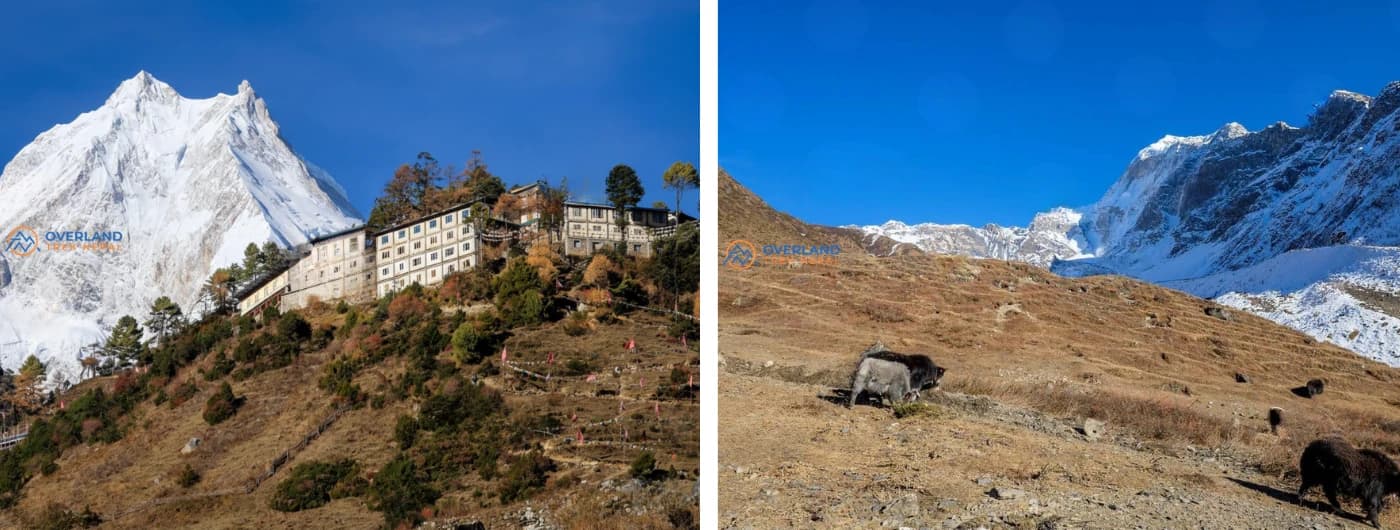
The Manaslu Circuit is famous for Larkya La Pass. The mountain views. Smaller crowds than Annapurna. But here's what brochures skip: The best experiences happen in Manaslu Circuit hidden villages where groups don't stop. Places where your arrival matters. Where grandmothers invite you for butter tea. Not because it's business. Because strangers are rare and worth celebrating.
These hidden villages aren't on standard itineraries. They need extra permits. Longer days. Guides who know the region. But you're not looking for standard anyway.
Why Explore Hidden Villages in the Manaslu Circuit?
The main circuit hits the necessary stops. Lodges. Meals. Checkpoints. But Manaslu has dozens of older settlements. Remote villages in Manaslu keep traditions alive. Traditions that faded elsewhere in Nepal.
Walk into these places and see real life. Yaks bringing in harvests. Kids studying Tibetan script. Weavers at traditional looms. The welcome is genuine. Not a sales pitch. People share because they value connection.
These detours add depth. You're not just crossing mountains. You're meeting the people who live here. The extra days become your best memories.
Nubri Valley Villages Most Trekkers Overlook
Nubri Valley runs along the Budhi Gandaki River. Toward Tibet. Most trekkers rush through to Samagaun or Samdo. But several Nubri Valley villages deserve your time. These are top Manaslu Circuit hidden villages.
Samagaun Beyond the Main Trail
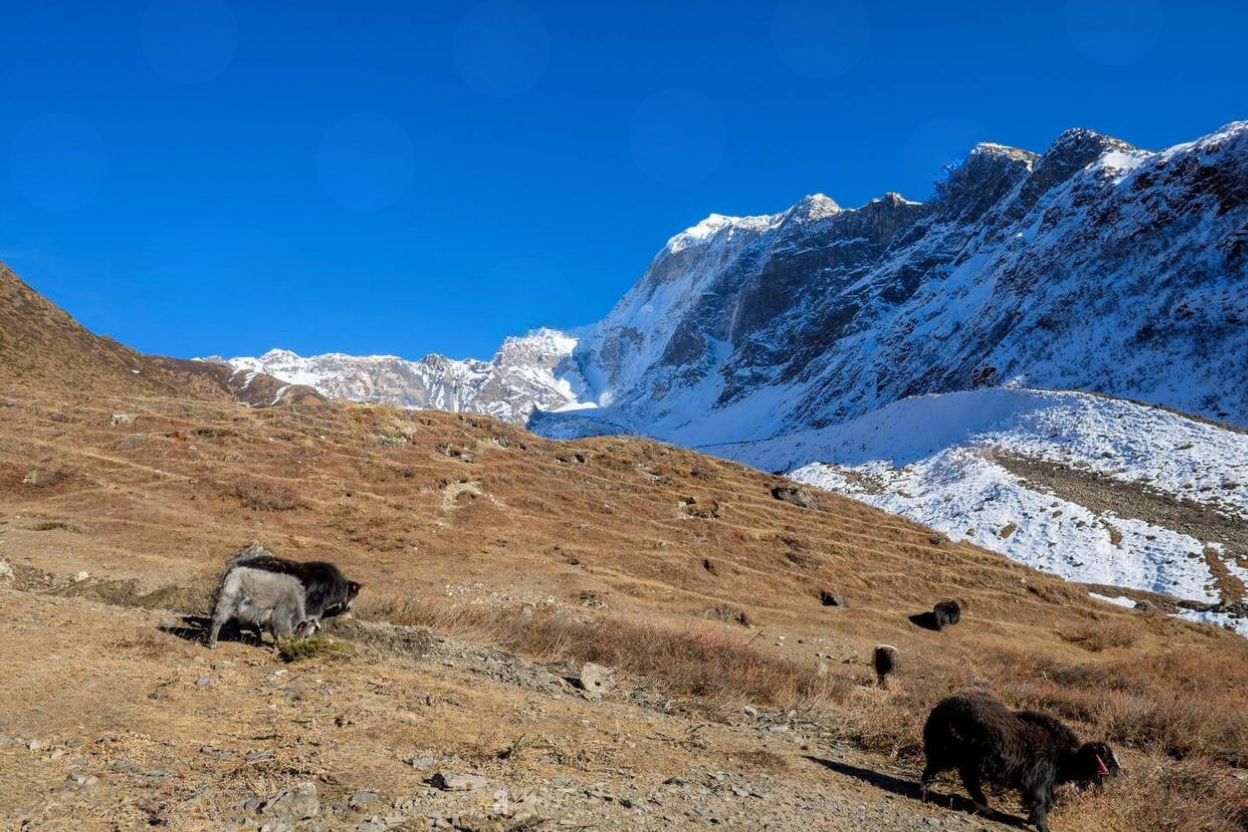
Samagaun is the standard rest stop. Most people stay near the lodges. Walk thirty minutes up to Pungyen Gompa. This monastery sits above the village. Views of Manaslu's north face. Monks welcome you for tea.
Another hour gets you to Birendra Lake. A sacred glacial pool. The path crosses yak pastures. Herders live here in summer. They'll invite you into stone shelters. Homemade cheese. Stories about life at 4,000 meters.
Lho Village and Its Monastery Culture
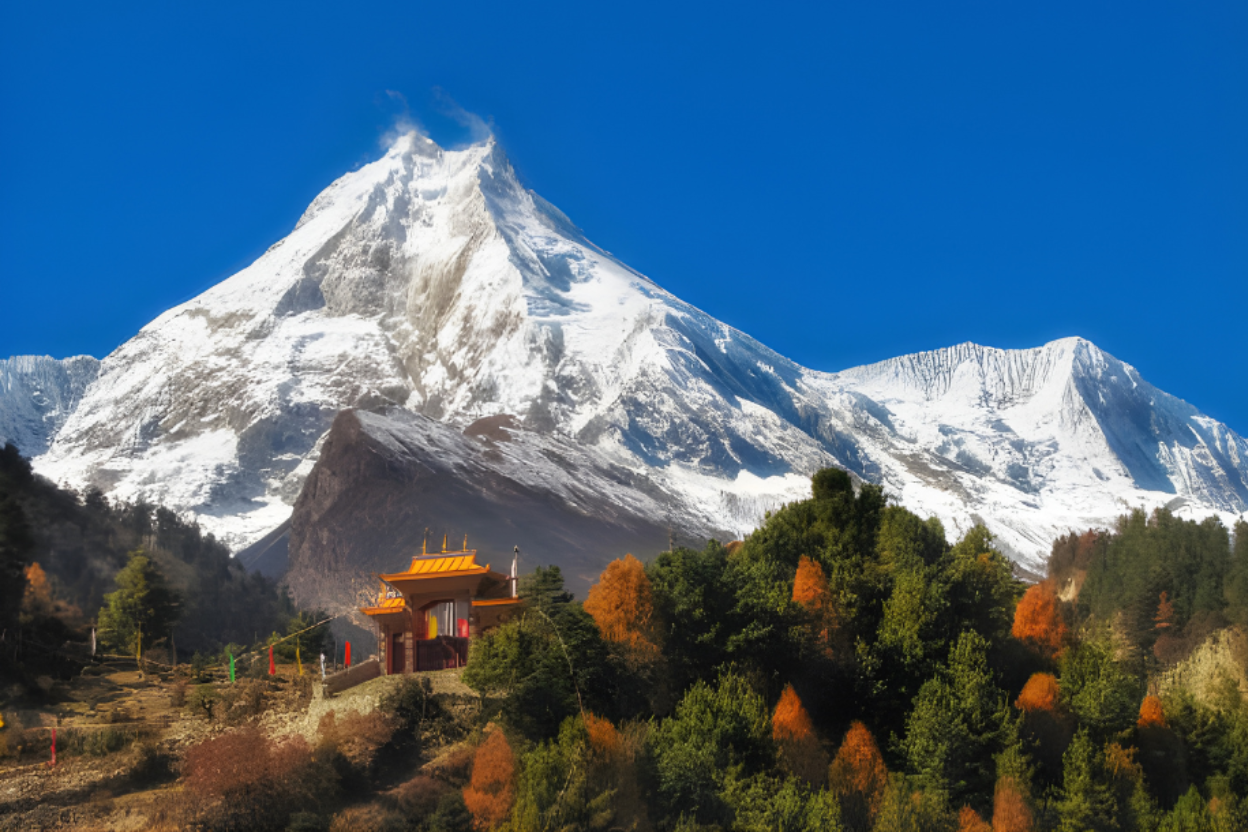
Lho sits below Samagaun. Far fewer visitors. The village clusters around Ribung Gompa. One of the region's active monasteries. Come for morning prayers. Horns and drums echo through the valley.
The monastery has ancient paintings. Statues. Survivors of turbulent times. Monks practice old traditions. Long meditation retreats. Masked dances. Hit a festival and you'll see ceremonies unchanged for centuries.
Lho offers homestays too. Families open their homes. Share dal bhat, thukpa, butter tea. Evenings around the fire. Language stops mattering. Just laughter and songs. This makes villages in Manaslu Circuit Trek special.
Prok Village – A True Hidden Gem
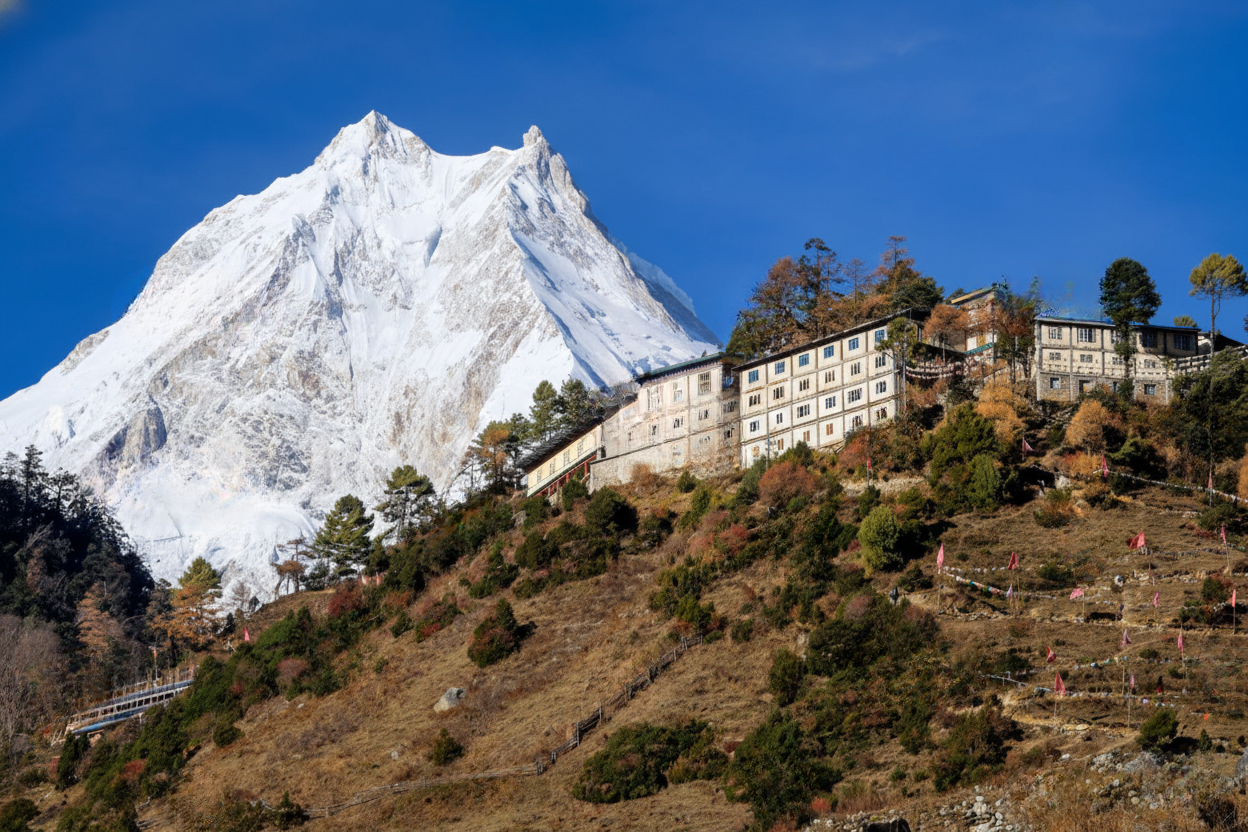
Prok rarely shows up in plans. It's right on the circuit. But groups push through to Namrung. Better lodges there. This makes Prok super authentic.
Traditional buildings. Stone houses. Wooden shingles. Carved windows. Prayer flags everywhere. Farming is life here. Barley, buckwheat, potatoes. On terraced fields climbing crazy steep hillsides.
Prok's gompa is small but important. The monk keeps it clean. Lamps burning. He'll show you inside if you're respectful. The murals show Buddhist cosmology. Vivid stuff.
Stay in Prok's one basic lodge. Or get a homestay. Wake up to roosters. Yak bells. Women grinding grain with stone mills. Sounds that have marked mornings here forever.
Tsum Valley Side Trip – A Cultural Treasure
Tsum Valley needs extra permits. Three to five more days. But you get Nepal's best-preserved Tibetan Buddhist culture. This valley was closed to outsiders until 2008. Traditions survived intact. Many call this the ultimate authentic Manaslu experience.
Chumling and Chhokangparo
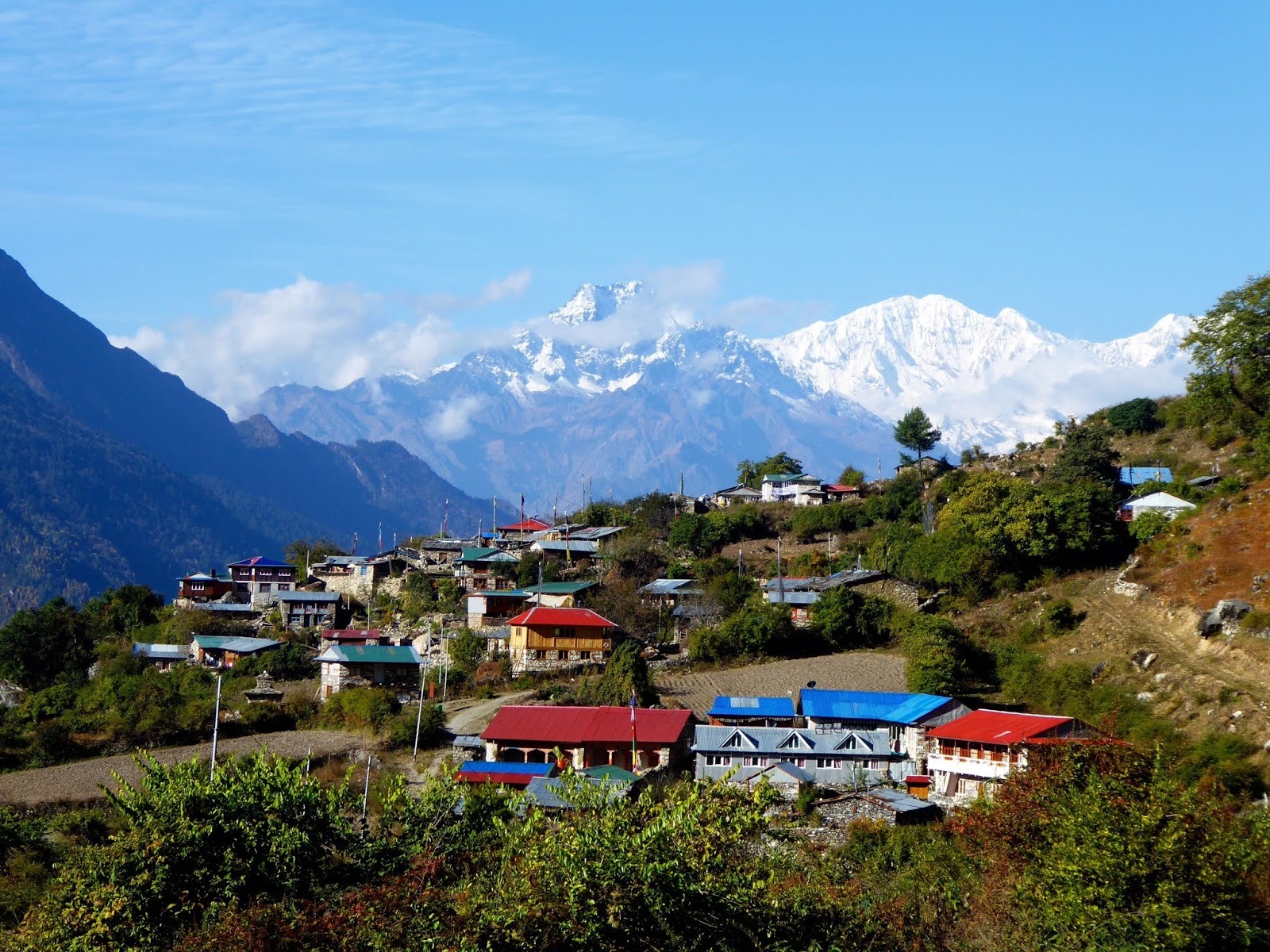
Chumling is Tsum Valley's lower entrance. Village spreads across terraced fields. Farmers use wooden plows. Pulled by dzo. Yak-cow hybrids. Every home shows Buddhist symbols. Prayer wheels. Stupas. Deity murals.
Higher up, Chhokangparo is the spiritual center. Eight monasteries around this small place. Different Buddhist lineages. Rachen Gompa is biggest. Houses nuns. They practice year-round. You can watch their routines.
Tsum people follow polyandry. Brothers share one wife. Keeps land together. They practice "beyul" philosophy too. Their valley is sacred refuge. This shapes how they treat land. No hunting. Little tree cutting. Strong animal protection.
Mu Gompa and Ancient Buddhist Heritage
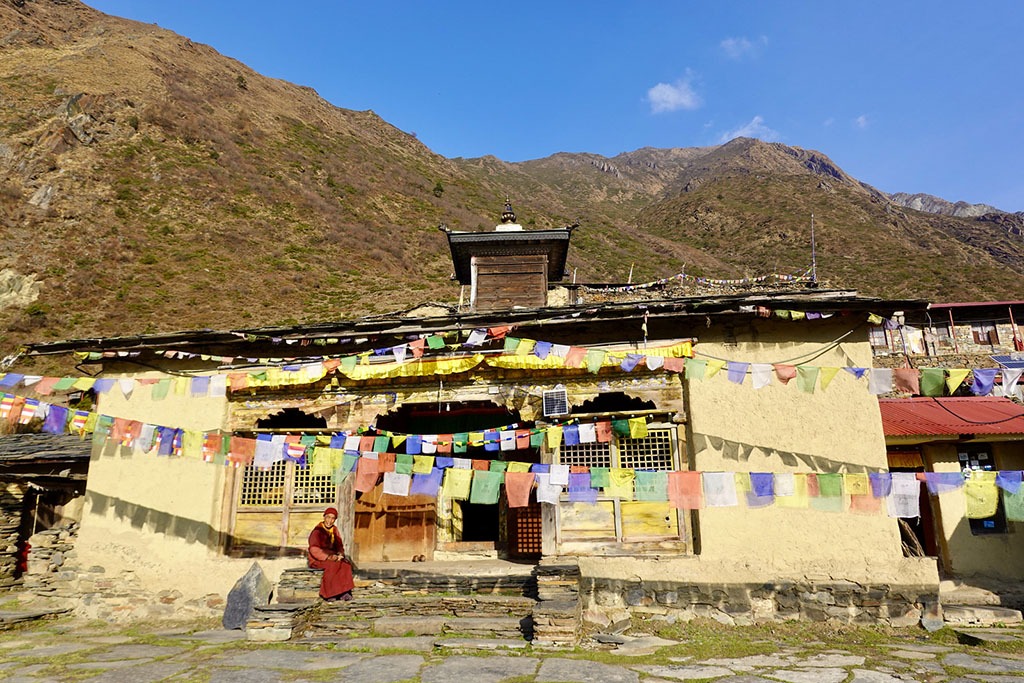
Mu Gompa sits at 3,700 meters. Near Tibet. Tsum Valley's highest monastery. The trek from Chhokangparo takes four to five hours. Terrain feels untouched.
The gompa is centuries old. Records are scarce. Its library has classical Tibetan manuscripts. Some on palm leaves. Brought across the Himalayas. The head lama talks philosophy. If you show real interest.
Behind Mu Gompa, trails go to smaller settlements. Milarepa's Cave. Where the yogi meditated. Dhephyudonma Gompa. Maybe five visitors a year see these. You walk alone. Snow leopards hunt here. Blue sheep graze freely.
What Makes These Remote Villages Unique?
Living Tibetan Culture
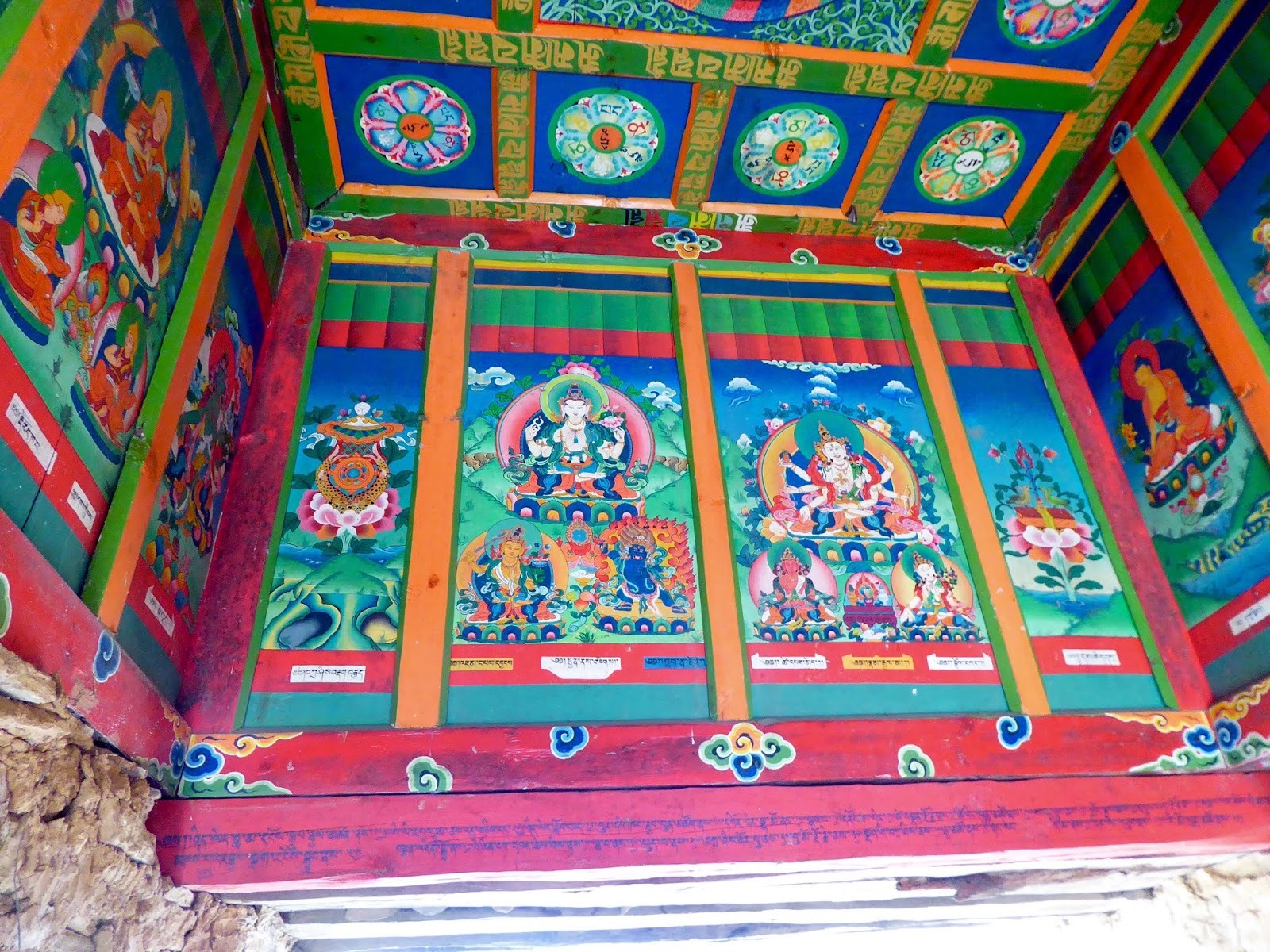
These remote villages in Manaslu keep Tibetan Buddhist practices pure. People speak dialects closer to classical Tibetan. Than Nepali. Homes have altars. Daily pujas. Kids learn religious texts and modern subjects. In village schools.
Monasteries are community centers. Festivals happen here. Disputes get solved. Education happens. Monks and nuns stay connected. They're siblings. Cousins. Friends. Who chose spiritual paths.
Architectural Traditions
Buildings show centuries of mountain survival. Stone walls thick for winter. Wooden roofs weighted with rocks. Against monsoon winds. South-facing windows. For sunlight. Every choice serves survival.
Inside follows Buddhist cosmology. Altars on the honored wall. East-facing. Sleeping areas by seniority. Storage carefully organized. Grain here. Tools there. Sacred objects in shrine rooms.
Genuine Hospitality
Manaslu Circuit hidden villages offer Buddhist hospitality. Compassion and generosity. Tea invitations expect no payment. Kids share snacks. Elders give travel blessings.
This isn't naive. Locals get tourism's value. But where trekkers are rare, things stay authentic. You're a guest. Not a customer. That creates real connections.
Tips for Visiting Remote Villages in Manaslu
Permits and Regulations
ManasluCircuit needs three permits. MCAP. RAP. ACAP. Tsum Valley needs another restricted permit.
Get permits in Kathmandu. Through registered agencies. You can't trek independently. Need a licensed guide. This supports locals. Keeps trekkers safe.
Choosing Guides and Agencies
Hire Manaslu region guides when possible. They know customs. Speak languages. Have village connections. Makes visiting off-trail places easier. More respectful.
Ask agencies about community engagement. Good operators pay fair wages. Use local lodges. Teach cultural sensitivity. Avoid super cheap packages. They cut corners on porter welfare. Environmental stuff.
Responsible Trekking Practices
At monasteries, dress modestly. Remove shoes. Donate if you photograph or get teachings. Walk clockwise around stupas and mani walls.
Buy from village shops. Not everything from Kathmandu. Money goes to locals. Eat local meals. Even simple ones. Shows respect.
Pack out waste. No single-use plastics. Use refillable bottles. Purification systems. Remote villages have zero waste management. Every wrapper counts.
Best Seasons
October-November has stable weather. Clear skies. Post-monsoon green. March-April brings rhododendrons. Good temperatures. Both match Buddhist festivals. Cultural bonus.
December-February works but is tough. Snow on high passes. Lodges close. But lower villages stay open. Festivals continue. Trails nearly empty.
Skip monsoon (June-August). Unless you want planting and harvest life. Leeches everywhere. Landslides common. No mountain views. But valleys are lush. See agricultural traditions.
Frequently Asked Questions
How many days do I need to visit Manaslu Circuit hidden villages?
Standard circuit takes 14-16 days. Tsum Valley adds 5-7 days. Want deeper Nubri Valley villages like Lho and Prok? Add 2-3 rest days. Most rush through. Slow down to see the real stuff. These villages in Manaslu Circuit Trek deserve time.
Can I trek Manaslu Circuit independently?
No, Regulations require licensed guides. For all restricted areas. Entire Manaslu Circuit and Tsum Valley. Supports locals. Protects environment and culture.
Are homestays available in remote Manaslu villages?
Yes, Especially Lho, Prok, Tsum Valley villages. Not advertised formally. Your guide arranges through contacts. Basic facilities. Shared outhouses. No running water. But cultural immersion is unmatched.
What language do people speak in Nubri and Tsum Valley?
Tibetan dialects mainly. Plus Nepali. English limited outside Samagaun. Guides translate. But smiles work everywhere.
When is the best time to experience village festivals in remote villages in Manaslu?
Losar (Tibetan New Year) in February-March is big. Tsum Valley's Dhacyhang in summer. Many monastery prayer festivals. Ask your guide to plan around these. Maximizes cultural exposure in Manaslu Circuit hidden villages.
Conclusion
ManasluCircuit's best treasures hide behind ridges. Up side valleys. Lho, Prok, Tsum settlements keep Tibetan Buddhist culture authentic. They welcome curious, respectful visitors. Extra days transform your trek. From mountain crossing to cultural journey.
Villages in Manaslu Circuit Trek offer rare modern travel experiences. Real connection. Real culture. Real beauty. No crowds. Manaslu Circuit hidden villages reward people who step off the main path.
Ready to explore remote villages in Manaslu? Contact Overland Trek Nepal for expert cultural trekking. Our local guides know these hidden settlements well. Homestays. Monastery visits. Responsible tourism. We do customized itineraries. Tsum Valley trips. Extended Nubri Valley stays. Your authentic Manaslu starts with good planning. Local expertise. Contact us today. Design your journey into the Himalayas' hidden heart.
.webp&w=1200&q=75&dpl=dpl_EUd5Wwb28cTzwN6qQNwTKfhuRohE)
.webp&w=1200&q=75&dpl=dpl_EUd5Wwb28cTzwN6qQNwTKfhuRohE)