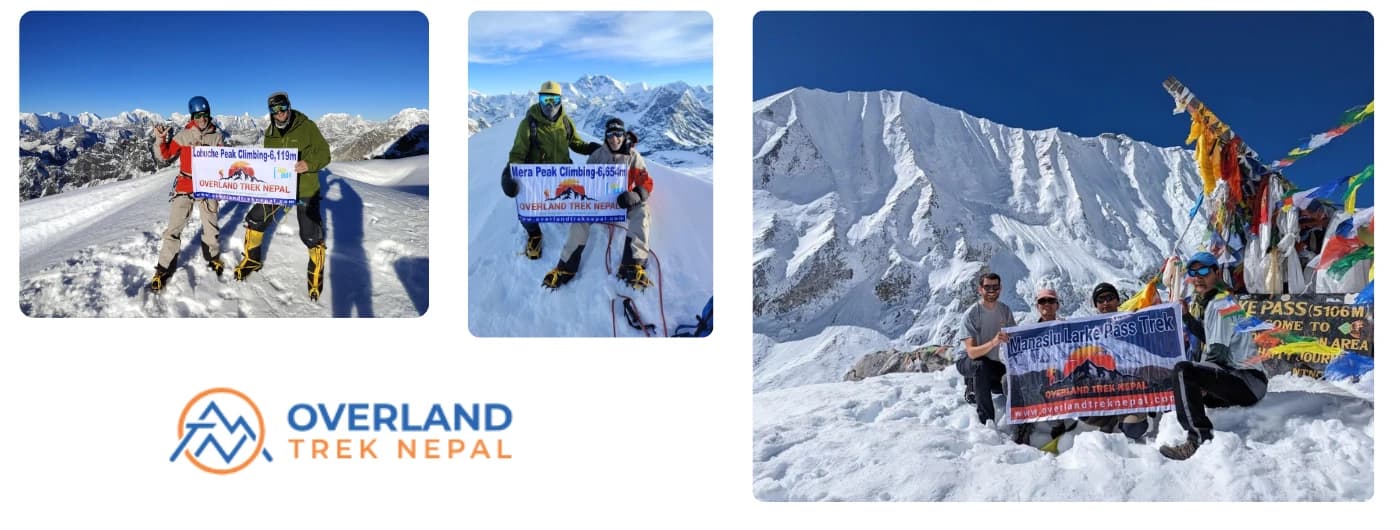

Choosing the best trekking agency in Nepal is the most important decision you will make before you go. Nepal is home to some of the world's most iconic trails. The Everest Base Camp trek draws thousands of trekkers every year. So does the Annapurna Circuit. Both are life-changing journeys, but only if you plan them right.
Your trekking agency makes or breaks that experience.
A good agency handles your permits, guides, safety, and logistics. A bad one leaves you underprepared at altitude. With hundreds of operators registered in Kathmandu alone, choosing wisely takes work. This guide helps you do exactly that.
Why Choosing the Right Trekking Agency Matters
A trekking agency in Nepal is more than a booking service. It is your safety net at altitude.
The right agency assigns certified guides. They plan acclimatization days. They brief you on altitude sickness. They monitor trail conditions in real time.
The wrong agency cuts corners. They hire underqualified guides. They skip safety protocols. They disappear when problems arise.
This decision affects your safety, your comfort, and the quality of your entire trip.
Experience in the Everest and Annapurna Regions
Not all agencies know every trail equally well. An agency strong on cultural treks may not be equipped for Everest Base Camp at 5,364 meters. Always ask about specific regional experience.
What to Look For
Look for agencies with at least five years of active operation in your target region. Ask how many clients they have taken to Everest Base Camp or the Annapurna Sanctuary in the last two years.
Top trekking agencies in Nepal for Everest will have guides who have completed that specific route dozens of times. They understand the lodges, the weather windows, the rest days, and the altitude risks at every stage. They also carry route-specific emergency protocols, something average operators rarely document.
A qualified Annapurna trekking agency Nepal trekkers can rely on will understand the seasonal differences between the Annapurna Circuit and Annapurna Base Camp routes. These are different treks with different demands. Experienced agencies prepare you for each one specifically.
Planning an Annapurna trek? Read our complete Annapurna Base Camp Trek guide to understand what to expect before you book.
Government Registration and Licenses
A legitimate trekking agency in Nepal must hold registration from three key bodies: the Nepal Tourism Board (NTB), the Department of Tourism (DoT), and ideally TAAN the Trekking Agencies' Association of Nepal.
These institutions set enforceable standards for guiding training, client insurance, and operational conduct. NTB registration confirms the agency is legally authorized to operate. DoT licensing ensures compliance with national tourism regulations. TAAN membership signals commitment to industry ethics and fair porter treatment.
You can verify NTB registration directly on their official website. It takes two minutes. It could save your life.
Also, confirm that guides hold certification from the Nepal Mountaineering Association (NMA) or have completed government-recognized guide training programs.
Not sure what permits you need? Our Everest Base Camp Trek guide covers all required permits, costs, and timelines.
Reviews and Reputation
Trekking agencies' Nepal reviews are one of the most reliable signals of real-world performance. Use them strategically.
Start with TripAdvisor. Filter by most recent. Look for patterns, not just star ratings. Do reviewers mention guide competence? Do they describe how the agency handled problems? That tells you more than a five-star average.
Google Reviews are equally valuable. Look for agencies with hundreds of reviews spread across several years. A sudden spike of five-star reviews in one month is a red flag.
What Good Reviews Actually Say
Strong reviews mention specific guide names. They describe how the agency responded to bad weather, illness, or a missed connection. They talk about pre-trip communication, not just the trail experience.
Avoid agencies with vague praise and no detail. Real trekkers write real specifics.
Safety Standards and Guide Experience
Safety standard refers to the documented protocols an agency uses to protect trekkers at altitude, including emergency response plans, guide certifications, and evacuation procedures.
Ask every agency the same questions. What is your emergency evacuation plan? Do your guides carry first aid kits and supplemental oxygen? Are staff trained in Wilderness First Aid?
Guides should hold a valid First Aid certificate at a minimum. For Everest Base Camp, Wilderness First Responder training is preferable.
Altitude Sickness Protocol
Any serious agency will have a clear altitude sickness policy. They should recognize symptoms. They should have a decision framework for descent. They should never let financial pressure override trekker safety.
Ask directly: "What happens if I show signs of altitude sickness?" Vague answers are a warning sign.
Transparent Pricing
Price matters. But the cheapest option is rarely the safest.
A well-run Everest Base Camp trek costs money. Guides, porters, permits, lodging, insurance, and equipment all add up. If a quote seems unusually low, something is being cut.
Ask for a full written breakdown. What does the price include? What are the exclusions? Are porter and guide tips expected on top?
The best trekking office in Nepal gives you an itemized quote in writing — before you pay anything.
Red Flags on Pricing
-
No written quote
-
Pressure to pay a full deposit immediately
-
No mention of guide or porter insurance
-
Vague "all-inclusive" language with no detail
Small Group vs. Large Group Treks
This choice affects your entire experience.
Small groups (2–8 people) offer flexibility. Your guide gives more attention to each trekker. You set a pace that suits your fitness. Emergency decisions are faster.
Large groups (10–20 people) often cost less per person. But they move slowly. Individual health monitoring becomes harder. Altitude risks increase when guides are stretched thin.
For high-altitude routes, smaller groups are generally safer. Ask any agency what their maximum group size is for the Everest and Annapurna routes specifically.
What Makes Top Trekking Agencies Different
There are hundreds of operators in Kathmandu. A smaller number are genuinely excellent. Here is what separates them.
|
Factor |
Average Agency |
Top Agency |
|
Guide certification |
Basic |
Advanced + first aid |
|
Emergency plan |
General |
Route-specific protocol |
|
Communication |
Slow or unclear |
Pre-trip briefing + daily contact |
|
Permits handling |
Handled, sometimes delayed |
Proactive, documented |
|
Post-trek support |
Rare |
Available |
|
Pricing transparency |
Vague |
Itemized written quote |
Top trekking agencies in Nepal for Everest do not just follow a standard itinerary. They build acclimatization schedules around individual trekker fitness. They maintain direct relationships with lodges on the route. And when conditions change, weather, health, logistics, they have a documented response plan ready.
That level of preparation is rare. It is also what keeps trekkers safe above 4,000 meters.
The best trekking office in Nepal operates like a professional logistics company — not a booking desk. Every detail is confirmed in writing before you land in Kathmandu.
Want to learn more about how we operate? Visit our About Us page to see our team, certifications, and trekking philosophy.
Questions to Ask Before You Book
Ask these before you pay anything.
1. How many times have your guides completed this specific route?
2. What is your policy if a trekker develops altitude sickness?
3. Are your guides and porters covered by insurance?
4. Can you provide references from past clients?
5. What permits do I need, and will you handle all of them?
6. What is your maximum group size for this trek?
7. What does the price include and exclude?
A trustworthy agency answers these questions clearly. Evasion is a warning sign.
Quick Checklist for Trekkers
Use this before you commit to any agency.
-
Verified NTB and DoT registration
-
Confirmed TAAN membership
-
Reviewed Tripadvisor and Google ratings — recent, detailed entries only
-
Received a full written itinerary and cost breakdown
-
Confirmed guide experience on your specific route
-
Confirmed guide first aid certification
-
Understood altitude sickness and evacuation protocol
-
Clarified group size limits
-
Confirmed porter and guide wages meet fair standards
-
Received written confirmation of all inclusions
Why Trekkers Choose Overland Trek Nepal
If you are looking for a verified, experienced operator, Overland Trek Nepal is worth considering.
The company is registered with the Nepal Tourism Board, TAAN, and the Nepal Mountaineering Association. They operate treks across all major regions, including Everest, Annapurna, Manaslu, and Langtang.
Their Everest Base Camp Trek has collected over 27 verified client reviews. Guides are certified and experienced on high-altitude routes. They maintain small group sizes and offer customized itineraries for different fitness levels and budgets.
Overland Trek Nepal is also listed on GetYourGuide, TourRadar, TourHub, and Trustpilot, platforms that independently verify operator quality and collect unfiltered client feedback.
They are transparent about pricing. Every package comes with a clear breakdown of inclusions and exclusions before you book.
If you want to trek with a team that is local, licensed, and accountable, they are a strong choice.
Explore their Annapurna Base Camp Trek or Everest Base Camp Trek to see full itineraries, pricing, and departure dates.
Frequently Asked Questions
What is the best trekking agency in Nepal?
The best agency depends on your route, group size, and budget. Prioritize NTB-registered agencies with verified Tripadvisor and Google reviews, certified guides, and transparent written pricing. Regional expertise, especially for Everest Base Camp or Annapurna, matters more than brand name or marketing. Overland Trek Nepal is one verified option with registrations across NTB, TAAN, and NMA.
How do I verify if a trekking agency in Nepal is legitimate?
Check their registration number on the Nepal Tourism Board's official website. Confirm TAAN membership and their Department of Tourism license number. Any credible agency shares this information without hesitation. Agencies that delay or deflect this request should be avoided.
What should a trekking package in Nepal include?
A complete trekking package should include guide and porter fees, accommodation, all required permits (TIMS card and national park entry), meals on the trail, and emergency insurance. Always request an itemized written quote before booking.
Are small group treks better for Everest Base Camp?
Yes, for most trekkers. Smaller groups allow guides to monitor each person's health closely and make faster decisions if altitude sickness develops. For routes above 4,000 meters, a group of eight or fewer is generally recommended.
How do trekking agencies' Nepal reviews help me choose the right operator?
Detailed reviews on Tripadvisor and Google reveal how agencies perform under real conditions, not just ideal ones. Look for reviews that mention guide quality, problem-handling, and pre-trip communication. Agencies with consistent, specific praise over multiple years are the most reliable choice.
Final Thoughts
Nepal's trails are extraordinary. Everest Base Camp, the Annapurna Circuit, and Langtang Valley are journeys people remember for the rest of their lives.
But altitude is serious. Logistics matter. Safety protocols save lives.
The agency you choose is not a minor detail. It is the foundation of your entire experience.
Take time to research. Ask hard questions. Read verified reviews. Confirm licenses with the Nepal Tourism Board and the Department of Tourism. Choose an agency that treats safety as a system, not an afterthought.
The mountains will be there. Make sure you are prepared to meet them properly.
.webp&w=1200&q=75&dpl=dpl_EUd5Wwb28cTzwN6qQNwTKfhuRohE)
.webp&w=1200&q=75&dpl=dpl_EUd5Wwb28cTzwN6qQNwTKfhuRohE)